Professional solutions on concrete addtives, Concrete Foaming Agent, Superplasticizer, CLC Blocks Additives, and foaming machine

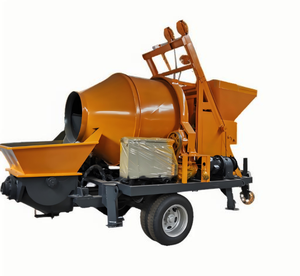
Manual Concrete Pump Boom
PRODUCT PARAMETERS
Description
Overview of Manual Concrete Pump Boom
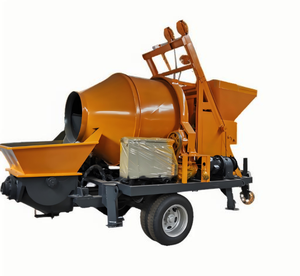
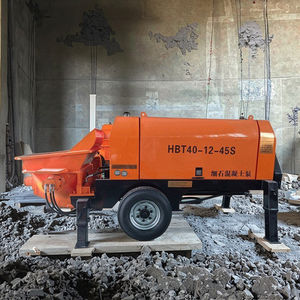
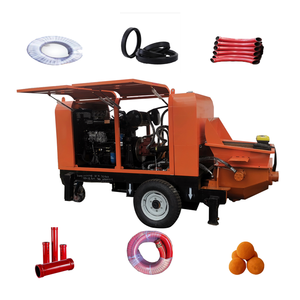
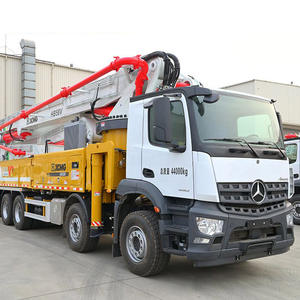
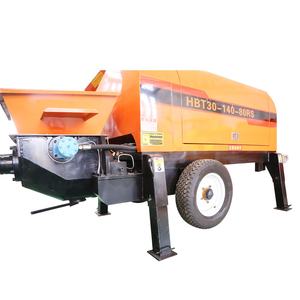
Manual Concrete Pump Boom offers excellent mobility and reach for mid-size projects and residential construction. For large-scale commercial and infrastructure work, we provide robust Boom Pumps with multi-section articulating arms that place concrete precisely at high volumes over significant horizontal and vertical distances. We also offer compact and agile Line Pumps for smaller jobs, renovations, and sites with limited access. Each pump in our lineup is built with powerful hydraulic systems and engineered to handle a wide range of mix designs reliably. This portfolio provides contractors with the precise tools to place concrete faster, farther, and more efficiently than traditional methods, ensuring optimal placement and superior finished quality.
Features of Manual Concrete Pump Boom
1. High-Efficiency Placement and Unmatched Reach:
The core feature of our concrete pumps is their ability to transport concrete rapidly over long distances and heights. This is achieved through high-output hydraulic systems and robust placing booms or pipeline systems. The direct benefit is unparalleled job site efficiency; concrete can be placed precisely where it is needed, directly from the truck, eliminating the need for costly and time-consuming secondary handling with cranes and buggies. This allows for faster cycle times, continuous pours for superior structural integrity, and access to challenging locations like deep foundations or high-rise structures, dramatically accelerating project timelines.
2. Robust Reliability and Reduced Labor Intensity:
Our pumps are built with durable components and simple, serviceable designs to withstand the harsh environment of a construction site. This engineering focus on reliability translates into the benefit of minimized downtime and consistent performance pour after pour. Furthermore, by mechanizing the concrete placement process, a single pump operation significantly reduces the manual labor required. This leads to substantial savings on labor costs, mitigates the physical strain on workers, and enhances overall site safety by reducing crew exposure to heavy lifting and repetitive tasks.
3. Versatility and Enhanced Concrete Quality:
The versatility of our product line, from massive boom pumps to nimble line pumps, ensures there is an optimal solution for any project scale and site constraint. This feature provides the benefit of maximum job site adaptability. Additionally, the controlled, continuous placement achieved by pumping minimizes the risk of concrete segregation and cold joints. This results in a more uniform, denser, and higher-quality finished concrete structure with improved durability and surface finish, reducing the potential for future defects.

Specifications of Manual Concrete Pump Boom
Hand-operated concrete pump booms deal with tough jobs. They relocate damp concrete specifically. These pumps rely totally on human operation. Employees regulate the boom arm movements straight. No facility electronic devices are included. This makes them simpler. This also makes them cheaper. They are good selections for smaller websites. They work well where power is undependable.
The boom arm itself is vital. Its length establishes reach. Usual sizes vary from 10 meters to 25 meters. Shorter booms fit limited areas. Longer booms cover bigger locations. The boom has a number of bendy parts. These components move independently. Workers position the end pipe accurately. Concrete goes precisely where needed. The distribution pipeline inside the boom matters. Its diameter impacts concrete circulation. Regular sizes are 100mm or 125mm. Bigger pipes handle thicker concrete mixes.
Moving the whole pump is important. These devices are typically placed on trailers. A vehicle or tractor draws them. Some designs are little sufficient for pickup. Weight is a vital factor. Lighter pumps relocate easier. Much heavier pumps supply even more security. Ground problems must be taken into consideration. Power originates from different resources. Diesel motor are common. They offer strong, reliable power. Electric motors are an alternative where noise or fumes are issues. Hydraulic systems power the boom motions. Strong hydraulic oil pressure makes the arm lift and bend. Manual levers regulate this oil flow. Operators feel the concrete’s resistance. They readjust pressure very carefully. This prevents blockages. It likewise protects the pump. Security is always critical. Employees need to adhere to stringent procedures. They wear safety equipment constantly. Understanding the device’s limits protects against mishaps. Normal maintenance keeps whatever running efficiently. Check pipes and fittings often. Change used components right away. Keep hydraulic liquid tidy. Straightforward tools are needed for many repair services.
Applications of Manual Concrete Pump Boom
Manual concrete pump booms manage difficult concrete placement work. They reach places bigger truck-mounted pumps can not go. Their versatility is essential. You see them often on small household sites. Assume putting foundations for homes or garages. They fit quickly into tight backyards. They navigate slim driveways without trouble. Big pumps need room. Manual booms fit small driveways conveniently. They are important for basement slab puts. Accessibility is generally restricted. A manual boom extends right down into the opening. Workers control the concrete flow exactly. This decreases mess and waste. Repair jobs count greatly on these booms. Taking care of bridges or car park structures calls for determine precision. Operators area concrete precisely where required. They avoid damaging surrounding locations. Remote locations profit too. Getting a large pump vehicle to a rural website is difficult. A guidebook boom shows up on a smaller trailer. Arrangement is easier. The equipment functions well on unequal ground. Construction staffs value the control. They guide the boom arm by hand. This permits mindful dental filling of complicated forms. Think thick wall surfaces or elaborate grounds. Manual procedure feels straight. Operators react quickly to website problems. They stay clear of over-pouring or under-filling areas. These pumps excel at filling spaces. They press concrete right into restricted areas under slabs. They reach behind existing frameworks for repairs. Their smaller dimension decreases site interruption. Website traffic keeps moving close by. Next-door neighbors experience much less noise and dirt. Specialists select them for details obstacles. They resolve access problems effectively. They deliver concrete where it should go.
Company Profile
We are the global leader in lightweight concrete and advanced engineered foam solutions. Known globally for its commitment to research, innovation, and applied expertise, we have been providing engineered foam solutions since the early 2012’s.
We can supply high-quality concrete admixture and foam concrete related products all over the world.
The company has a professional technical department and quality supervision department, a well-equipped laboratory, and equipped with advanced testing equipment and after-sales customer service center.
If you are interested, please feel free and contact us.
Payment
T/T, Western Union, Paypal, Credit Card etc.
Shipment
By air, by sea, by express, as customers request.
5 FAQs of Manual Concrete Pump Boom
What is a manual concrete pump boom?
It’s a concrete pump with a long folding arm. Workers control this arm by hand. They use levers or cranks. This moves the boom to place concrete exactly where needed. Manual booms are simpler than remote-controlled ones. They cost less too. Many small job sites prefer them.
Why pick manual over remote control?
Manual booms are cheaper first. They are easier to fix. Fewer electronics break down. Remote booms need batteries and signals. Manual booms just need strong arms. They work fine for smaller projects. Tight budgets often choose manual.
Is a manual boom safe?
Yes, but the operator must be careful. Manual booms have safety locks. These locks stop the boom moving accidentally. Operators must watch the boom’s position always. They must keep clear of power lines. Good training makes manual booms safe.
What training do operators need?
Operators need hands-on practice. They must learn the boom’s controls perfectly. Knowing the weight limits is critical. They must understand site hazards like overhead wires. A good trainer shows them. Experience matters most.
How much maintenance does it need?
Manual booms need regular checks. Grease the joints often. Look for wear on hoses and pins. Fix leaks right away. Clean the boom after every pour. Basic care stops big problems. It keeps the pump running longer.