Professional solutions on concrete addtives, Concrete Foaming Agent, Superplasticizer, CLC Blocks Additives, and foaming machine

Foaming Agent Help Produce Lightweight Gypsum Boards, Molds, or Plaster with Improved Insulation Properties and Reduced Weight.
PRODUCT PARAMETERS
Description
Overview of Foaming Agent Help Produce Lightweight Gypsum Boards, Molds, or Plaster with Improved Insulation Properties and Reduced Weight.
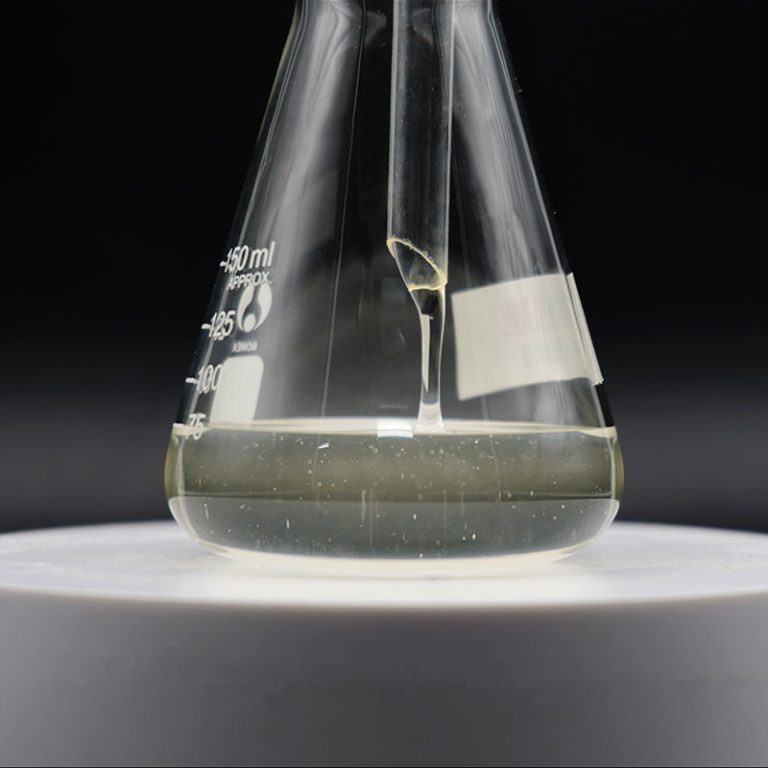
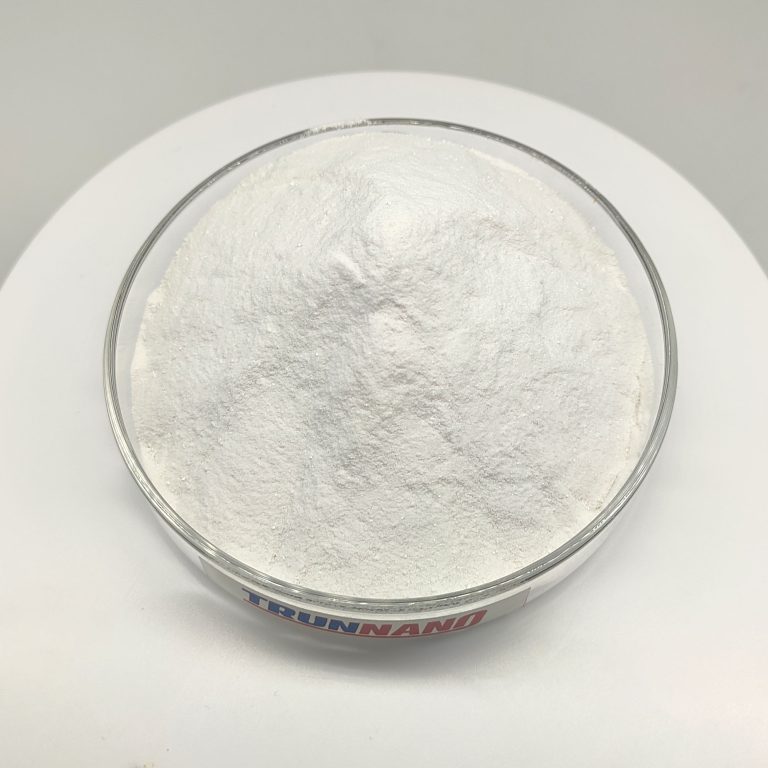
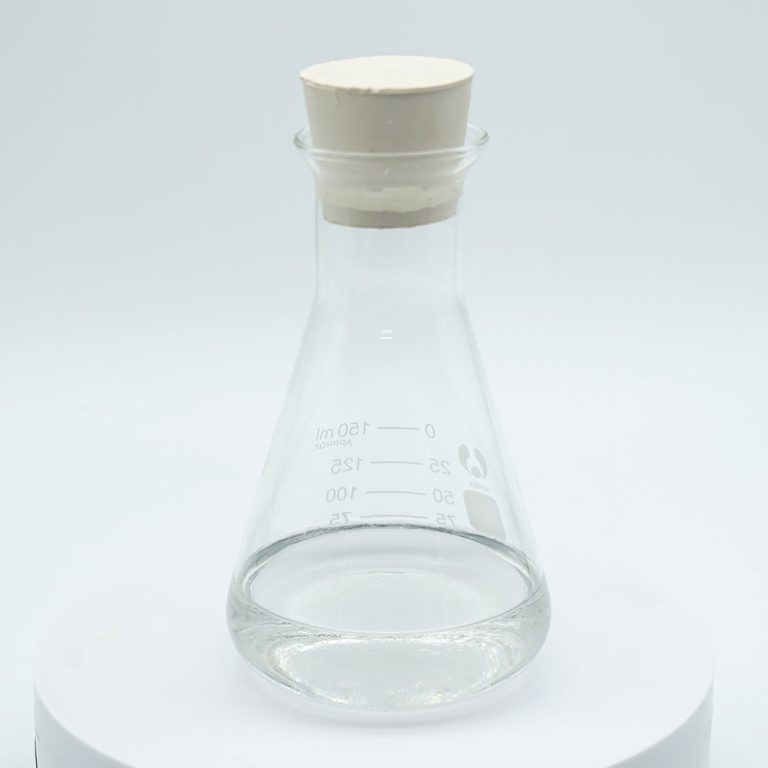
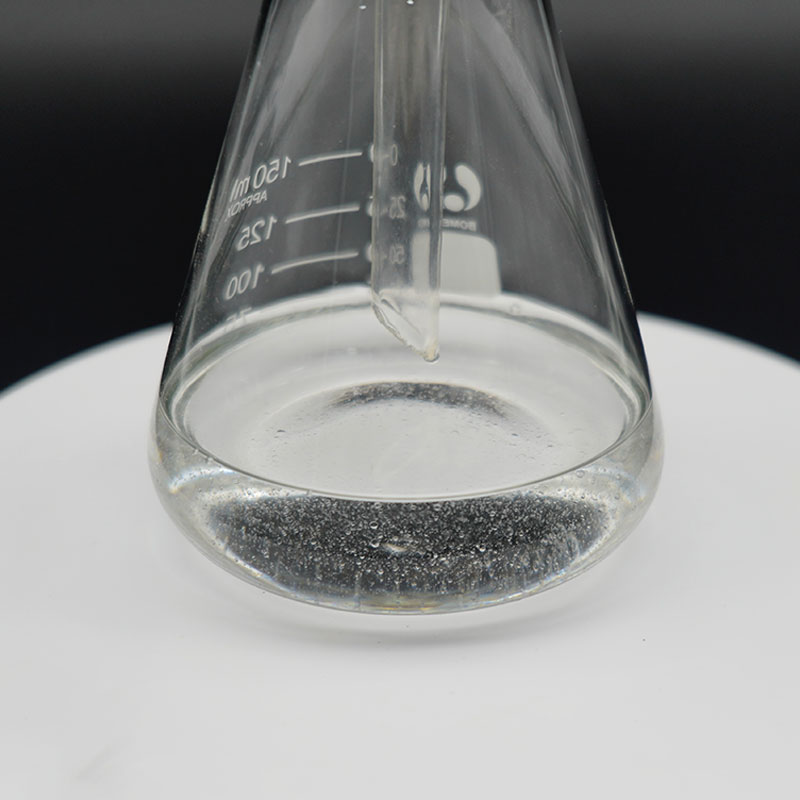
Foaming Agent Help Produce Lightweight Gypsum Boards, Molds, or Plaster with Improved Insulation Properties and Reduced Weight. is a surfactant that generates large quantities of uniform, stable foam through physical or chemical means. When this foam is thoroughly mixed with cement-based slurry (cement, fly ash, etc.) and cured naturally or with steam, it forms a novel lightweight material—foam concrete—internally filled with numerous closed air cells.
Features of Foaming Agent Help Produce Lightweight Gypsum Boards, Molds, or Plaster with Improved Insulation Properties and Reduced Weight.
1. High Foam Multiplication Ratio: High foam multiplication ratio allows for dilution before use. One kilogram of concentrate generates a large volume of uniform foam, delivering significant cost savings.
2. Strong Foam Stability: Produces resilient, uniformly fine foam walls that resist collapse or breakage. Effectively withstands pressure from cement slurry, ensuring independent and sealed air cells within the finished product.
3. Uniform and Fine Pore Structure: The foam concrete exhibits an ideal internal structure of closed spherical micro-pores, guaranteeing superior physical properties.
4. Low Material Consumption: Achieves equivalent density and strength grades with lower dosage than standard market products, reducing costs.
5. Eco-friendly and safe: Neutral formulation, non-toxic, odorless, and non-corrosive, posing no harm to the environment or human health. Classified as a green building material.
6. Wide adaptability: Excellent compatibility with various cements (including ordinary Portland cement and aluminate cement) and admixtures. Rapid foaming action with extended foam stability.

Specification of Foaming Agent Help Produce Lightweight Gypsum Boards, Molds, or Plaster with Improved Insulation Properties and Reduced Weight.
Gypsum products like boards, molds, and plaster are common in construction. These products are often heavy. Heavy materials are harder to handle. Heavy materials cost more to transport. Heavy materials add load to structures. Builders need lighter options. Lightweight gypsum solves these problems. Our special foaming agent helps make lightweight gypsum. This agent creates tiny air bubbles inside the gypsum mix. Air bubbles make the material lighter. Less solid material is used. The final product weighs significantly less. Handling becomes much easier. Transport costs go down. Structural load decreases.
Reduced weight is a major advantage. Improved insulation is another key benefit. Air is a good insulator. The trapped air bubbles act like insulation pockets. Heat struggles to pass through the material. This makes buildings warmer in winter. This keeps buildings cooler in summer. Energy bills can be lower. Comfort improves for occupants.
The foaming agent is easy to use. Mix it into the gypsum slurry before casting or molding. The agent generates stable bubbles throughout the mixture. These bubbles stay intact during setting. This ensures consistent lightweight properties. Strength remains adequate for typical applications. Surface finish quality is maintained. This product works for standard gypsum boards. It works for decorative moldings. It works for plaster casts. It offers versatility.
Using this agent brings real value. It produces gypsum products that are simply easier to work with. It creates materials that offer better thermal performance. Projects benefit from lighter, more efficient building elements.
Applications of Foaming Agent Help Produce Lightweight Gypsum Boards, Molds, or Plaster with Improved Insulation Properties and Reduced Weight.
Foaming agents are special chemicals. They create tiny bubbles inside liquids. This is very useful for making gypsum products. Gypsum is a common building material. It makes things like wallboards and plaster. Adding a foaming agent changes the gypsum mix. The agent makes many small air bubbles form. These bubbles get trapped as the gypsum sets hard. So the final product has lots of tiny air pockets inside it.
This makes the gypsum much lighter. Heavy walls and ceilings are hard to handle. Builders prefer lighter materials. Lightweight gypsum boards are easier to lift and install. This saves time and effort on the job site. It also reduces the load on building structures. Lighter molds made this way are easier to move around too.
The air bubbles also act as insulation. Air is a poor conductor of heat. Lots of trapped air pockets slow down heat transfer. This means walls made with foamed gypsum keep heat in or out better. Buildings stay warmer in winter and cooler in summer. This improves energy efficiency. People save money on heating and cooling bills.
Using foaming agents offers other advantages. It can lower the amount of gypsum powder needed. This saves material costs. The process is straightforward. Manufacturers add the agent during mixing. The agent does the work creating the bubbles. It leads to a more consistent, lightweight product. The strength remains good for construction use.
Foamed gypsum finds many applications. Lightweight wallboards are the most common. These boards form interior walls and ceilings. Lightweight plaster is used for coatings and decorative moldings. Specialized molds for casting also benefit. The reduced weight makes everything easier to handle and transport. Better insulation adds value to buildings. Foaming agents are key to achieving these improvements in gypsum products.
Company Profile
We are the global leader in lightweight concrete and advanced engineered foam solutions. Known globally for its commitment to research, innovation, and applied expertise, we have been providing engineered foam solutions since the early 2012’s.
We can supply high-quality concrete admixture and foam concrete related products all over the world.
The company has a professional technical department and quality supervision department, a well-equipped laboratory, and equipped with advanced testing equipment and after-sales customer service center.
If you are interested, please feel free and contact us.
Payment
T/T, Western Union, Paypal, Credit Card etc.
Shipment
By air, by sea, by express, as customers request.
5 FAQs of Foaming Agent Help Produce Lightweight Gypsum Boards, Molds, or Plaster with Improved Insulation Properties and Reduced Weight.
Here are 5 FAQs about using foaming agents for lightweight gypsum products:
What does the foaming agent do? The foaming agent makes tiny air bubbles inside the gypsum mix. This replaces some solid material with air pockets. The result is a lighter board, mold, or piece of plaster. You get the same volume but less weight.
How does it improve insulation? Air is a good insulator. The many tiny air bubbles trapped inside the gypsum act like insulation. They slow down heat moving through the material. This makes walls or ceilings made with these products better at keeping heat in or out.
How is the foaming agent added? You usually mix the foaming agent with water first to make a stable foam. You then blend this foam into the gypsum slurry during production. Careful mixing ensures the air bubbles spread evenly throughout the mix before it sets hard.
Does using foam save material? Yes, it can. Because air replaces some gypsum, you use less solid material to fill the same space. This means potential savings on the raw gypsum needed per board or mold produced. It helps control costs.
Is the lighter product still strong enough? The foaming agent reduces weight significantly. The product still has good strength for its intended use. Engineers design the mix carefully. They balance the amount of foam added to keep necessary strength and durability while achieving the weight and insulation goals.