Professional solutions on concrete addtives, Concrete Foaming Agent, Superplasticizer, CLC Blocks Additives, and foaming machine

Construction Tools and Equipment Concrete Trowel Powered Trowel
PRODUCT PARAMETERS
Description
Overview of Construction Tools and Equipment Concrete Trowel Powered Trowel
The Concrete Tools product line provides comprehensive solutions for contractors, tradespeople, and dedicated DIYers working with concrete. Our catalog is systematically organized to support every critical phase of the concrete workflow.
Features of Construction Tools and Equipment Concrete Trowel Powered Trowel
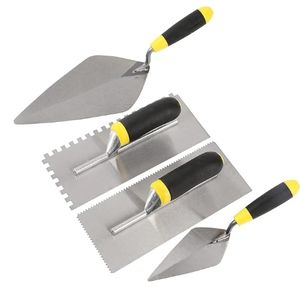
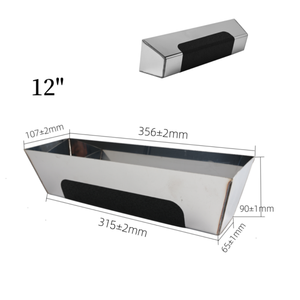
It begins with Mixing & Transport, featuring sturdy mortar tubs and mixing carts for preparing and moving material. Next, the Placing & Leveling section offers a variety of trowels, floats, and screeds to spread and initially level the concrete slab. For the Finishing & Polishing stage, we supply everything from hand edgers to power trowels, enabling a smooth, dense, and professional-grade surface. Finally, our Texturing & Stamping collection includes imprint mats and texture rollers to create beautiful, durable finishes that mimic stone, brick, or wood.
Whether you’re pouring a foundation, a patio, or a decorative walkway, Concrete Tools provides the reliable equipment you need to execute the job efficiently and to the highest standard.
The products within the Concrete Tools column are engineered to meet the rigorous demands of concrete work, offering distinct advantages that enhance productivity, results, and long-term value.
Unmatched Durability and Longevity: Concrete is abrasive and corrosive. Our tools are constructed from high-grade materials like high-carbon steel and forged alloys, often featuring protective coatings to resist rust and wear. This robust construction ensures they withstand daily job site abuse, significantly outlasting conventional tools and providing a better return on investment over time.
Ergonomic Design for Enhanced Control and Comfort: We prioritize the user’s experience. Hand tools are equipped with contoured, non-slip grips that reduce hand and wrist fatigue, allowing for longer, more comfortable work periods. The optimal balance and weight distribution of our trowels and floats provide superior control and a “”feel”” for the material, leading to a flatter, more consistent finish and reduced rework.
Innovation and Functional Versatility: Our product line continuously evolves to incorporate new solutions. This includes specialized tools for intricate edging and jointing, as well as innovative stamping mats that create deeper, more realistic texture patterns. This variety ensures that professionals have access to the right tool for both standard tasks and unique design challenges, fostering creativity and efficiency on diverse projects, from simple slabs to complex architectural elements.”

Specification of Construction Tools and Equipment Concrete Trowel Powered Trowel
Concrete trowels are essential for finishing concrete surfaces. A powered concrete trowel makes this job much easier. This tool uses a motor to spin blades. These blades smooth and level wet concrete. Doing this by hand is hard work. A powered trowel saves time and effort.
The main job is creating a flat, smooth finish. It works on fresh concrete slabs. The machine spins several blades quickly. This action presses down the concrete. It pushes the larger aggregate particles down. It brings the finer cement paste to the top. This paste creates the smooth surface you need.
Using a powered trowel gives a better finish than hand tools. It also makes the concrete stronger. The machine compacts the surface more evenly. This reduces air pockets. It makes the concrete denser. A dense surface wears better over time. It resists cracking and chipping.
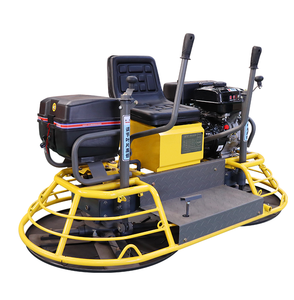
Power trowels come in different sizes. Walk-behind models are common for smaller jobs. Ride-on trowels are for large areas like warehouse floors. The blades can be made of steel. Some blades are magnesium. Magnesium blades are lighter. They heat up less during use. This helps prevent burning the concrete surface.
The motor is usually gasoline-powered. Some electric models exist. They are good for indoor use. The operator controls the speed. Starting slow is important early on. Then you increase speed as the concrete sets. Getting the timing right is key. Starting too soon can ruin the surface. Starting too late makes finishing difficult. Good operators know how to read the concrete.
These machines are sturdy but need care. Cleaning the blades after each use is vital. Regular checks keep them running well. Look at the blades for wear. Check the engine oil. Tighten any loose bolts. Proper maintenance means the trowel lasts longer. It also ensures a consistent finish every time.
Applications of Construction Tools and Equipment Concrete Trowel Powered Trowel
Concrete trowels are essential tools for finishing concrete slabs. They smooth out the surface after pouring. This creates a flat, level finish. Power trowels do this job much faster than manual trowels. They use spinning blades driven by a motor. This makes the work easier for the operator. Using a power trowel saves a lot of time and effort. It is especially good for big areas like driveways or warehouse floors.
A power trowel starts working soon after the concrete is poured. You need to wait until the concrete firms up a bit. It should hold your weight without sinking too much. Then you bring in the power trowel. First, you use it for the initial smoothing pass. This is called “bull floating”. The blades spin slowly at this stage. They flatten high spots and fill low spots.
As the concrete gets harder, you make more passes. You increase the blade angle and speed each time. This action compacts the surface particles. It brings up the cream, the fine particles and water, to the top. This creates a dense, smooth, durable finish. A good power trowel operator knows exactly when to change the blade pitch. They know the right speed for each stage. This prevents marks or swirls on the surface.
Power trowels come in different sizes. Walk-behind models are common for medium jobs. Ride-on trowels are best for very large slabs. They cover ground quickly. Electric models are quiet. Gas models are powerful and don’t need a power cord. Each type has its place.
Manual trowels are still important too. They are used for edges and corners. Power trowels cannot get close to walls or obstacles. A worker follows behind the power trowel with a hand trowel. They clean up the edges. They fix any imperfections near the sides. Sometimes hand troweling is needed over the whole surface for an extra smooth finish. This is common for indoor floors.
Both powered and manual trowels are key for a professional concrete job. They work together. The power trowel handles the large open areas efficiently. The hand trowel takes care of the details. This combination gives a high-quality surface. It is ready for use or further treatment like sealing. Proper troweling prevents future dusting and cracking. It makes the concrete last longer.
Company Profile
We are the global leader in lightweight concrete and advanced engineered foam solutions. Known globally for its commitment to research, innovation, and applied expertise, we have been providing engineered foam solutions since the early 2012’s.
We can supply high-quality concrete admixture and foam concrete related products all over the world.
The company has a professional technical department and quality supervision department, a well-equipped laboratory, and equipped with advanced testing equipment and after-sales customer service center.
If you are interested, please feel free and contact us.
Payment
T/T, Western Union, Paypal, Credit Card etc.
Shipment
By air, by sea, by express, as customers request.
5 FAQs of Construction Tools and Equipment Concrete Trowel Powered Trowel
A powered concrete trowel smooths and finishes poured concrete slabs. It uses rotating blades powered by an engine. This tool gives a flat, hard surface.
What powers a powered concrete trowel?
Most models use gasoline engines. Some smaller trowels might use electric motors. Gas engines offer more power for big jobs. Electric models are quieter, useful indoors.
How does a powered concrete trowel work?
The machine sits on the wet concrete surface. The engine spins one or more blades underneath. The operator walks behind the machine. They guide it across the slab. The blades push and flatten the concrete paste.
Why choose a powered trowel over a manual one?
Manual troweling demands significant physical effort. It is slow for large areas. A powered trowel finishes concrete much faster. It produces a more consistent surface finish. It reduces worker fatigue dramatically.
Where are powered concrete trowels typically used?
They are essential for finishing large concrete slabs. Driveways, warehouse floors, and patios are common applications. Any project needing a smooth, level concrete surface benefits. They are standard tools for concrete contractors.
How do you maintain a powered concrete trowel?
Clean the blades thoroughly after every use. Remove all wet concrete buildup. Check the engine oil level regularly. Follow the manufacturer’s service schedule. Inspect blades for wear; replace damaged blades immediately. Proper storage prevents rust and damage.