Professional solutions on concrete addtives, Concrete Foaming Agent, Superplasticizer, CLC Blocks Additives, and foaming machine

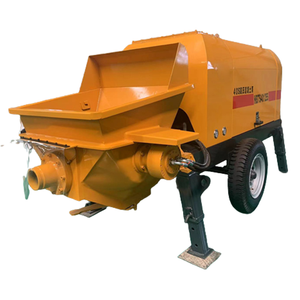
Concrete Pump Diesel Engines Concrete PumpConcrete Delivery Concrete Pump Mini for
PRODUCT PARAMETERS
Description
Overview of Concrete Pump Diesel Engines Concrete PumpConcrete Delivery Concrete Pump Mini for
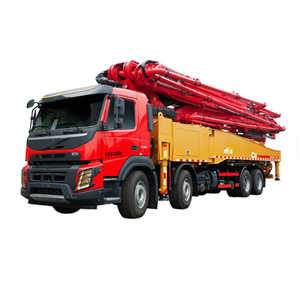
Concrete Pump Diesel Engines Concrete PumpConcrete Delivery Concrete Pump Mini for offers excellent mobility and reach for mid-size projects and residential construction. For large-scale commercial and infrastructure work, we provide robust Boom Pumps with multi-section articulating arms that place concrete precisely at high volumes over significant horizontal and vertical distances. We also offer compact and agile Line Pumps for smaller jobs, renovations, and sites with limited access. Each pump in our lineup is built with powerful hydraulic systems and engineered to handle a wide range of mix designs reliably. This portfolio provides contractors with the precise tools to place concrete faster, farther, and more efficiently than traditional methods, ensuring optimal placement and superior finished quality.
Features of Concrete Pump Diesel Engines Concrete PumpConcrete Delivery Concrete Pump Mini for
1. High-Efficiency Placement and Unmatched Reach:
The core feature of our concrete pumps is their ability to transport concrete rapidly over long distances and heights. This is achieved through high-output hydraulic systems and robust placing booms or pipeline systems. The direct benefit is unparalleled job site efficiency; concrete can be placed precisely where it is needed, directly from the truck, eliminating the need for costly and time-consuming secondary handling with cranes and buggies. This allows for faster cycle times, continuous pours for superior structural integrity, and access to challenging locations like deep foundations or high-rise structures, dramatically accelerating project timelines.
2. Robust Reliability and Reduced Labor Intensity:
Our pumps are built with durable components and simple, serviceable designs to withstand the harsh environment of a construction site. This engineering focus on reliability translates into the benefit of minimized downtime and consistent performance pour after pour. Furthermore, by mechanizing the concrete placement process, a single pump operation significantly reduces the manual labor required. This leads to substantial savings on labor costs, mitigates the physical strain on workers, and enhances overall site safety by reducing crew exposure to heavy lifting and repetitive tasks.
3. Versatility and Enhanced Concrete Quality:
The versatility of our product line, from massive boom pumps to nimble line pumps, ensures there is an optimal solution for any project scale and site constraint. This feature provides the benefit of maximum job site adaptability. Additionally, the controlled, continuous placement achieved by pumping minimizes the risk of concrete segregation and cold joints. This results in a more uniform, denser, and higher-quality finished concrete structure with improved durability and surface finish, reducing the potential for future defects.

Specifications of Concrete Pump Diesel Engines Concrete PumpConcrete Delivery Concrete Pump Mini for
Concrete pumps need strong, dependable engines. Diesel engines deliver this power reliably. They provide the muscle to move thick concrete mixes through long pipelines. Diesel engines offer high torque. This torque is vital for pumping concrete at steady rates under load. Fuel efficiency matters too. Modern diesel engines balance power and good fuel use. This helps control operating costs on big projects. Reliability is non-negotiable. These engines work hard for long hours. They must start easily and run smoothly every day. Durable construction withstands tough job site conditions. Good engine design minimizes downtime.
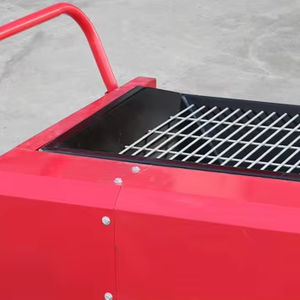
The concrete pump itself moves the mix. Its performance defines the job. Output volume is critical. How much concrete can it pump per hour? This determines project speed. Pressure capability is equally important. Higher pressure pushes concrete farther distances. It also handles pumping to greater heights. Boom length affects reach. Longer booms place concrete precisely without moving the pump truck. Line pumps use flexible hoses instead of booms. They are versatile for tighter spaces or complex layouts. Both types need robust pumping systems. Wear parts must be tough to handle abrasive concrete.
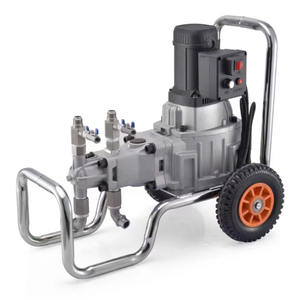
Mini concrete pumps fill a special niche. They are much smaller than full-size pumps. Their compact size is their main advantage. Mini pumps fit through standard doorways and gateways. They work easily inside buildings or in backyards. Manoeuvrability is key. Light weight and small footprint let them access tight spots. Don’t underestimate their power. Modern mini pumps still deliver significant output. They pump concrete effectively for smaller pours or remote sections. They connect to smaller pipelines. This makes setup faster and simpler. Mini pumps often use diesel engines too. These small engines provide enough power for the pump’s scale. Mini pumps bring concrete placement capability to confined areas.
Applications of Concrete Pump Diesel Engines Concrete PumpConcrete Delivery Concrete Pump Mini for
Concrete pump diesel engines are essential on construction sites. They power the pumps moving concrete from mixers to where it’s needed. This happens quickly and efficiently. Strong diesel engines handle thick concrete mixes without trouble. They push the concrete through long hoses reaching high floors or distant spots. This saves huge amounts of time and effort compared to manual methods. Workers don’t have to carry heavy buckets or push wheelbarrows long distances. The engine keeps the concrete flowing steadily. This prevents delays and cold joints where concrete layers don’t bond well. Consistent pumping ensures a smooth, strong final structure.
Concrete delivery relies heavily on these diesel-powered pumps. Trucks bring the concrete to the site. The pump then takes over moving it exactly where builders need it. This precision placement is crucial for foundations, walls, beams, and slabs. The engine provides the muscle for this precise work. It allows pumping concrete up many stories for high-rise buildings. It also reaches deep underground for basements and tunnels. Without these powerful engines, placing large volumes of concrete accurately would be much harder and slower. Projects would take longer and cost more money.
Mini concrete pumps also use diesel engines. These smaller pumps are perfect for tight spaces. They work well on residential projects like houses and driveways. They fit easily through narrow gates or paths. Landscaping jobs, such as building patios or garden walls, often use them. Their engines are compact but still powerful enough for the task. They deliver concrete effectively over shorter distances or lower heights. This makes them a cost-effective choice for smaller jobs. They bring the efficiency of pumped concrete to places where larger pumps simply can’t go. Builders appreciate their versatility and ease of use.
Company Profile
We are the global leader in lightweight concrete and advanced engineered foam solutions. Known globally for its commitment to research, innovation, and applied expertise, we have been providing engineered foam solutions since the early 2012’s.
We can supply high-quality concrete admixture and foam concrete related products all over the world.
The company has a professional technical department and quality supervision department, a well-equipped laboratory, and equipped with advanced testing equipment and after-sales customer service center.
If you are interested, please feel free and contact us.
Payment
T/T, Western Union, Paypal, Credit Card etc.
Shipment
By air, by sea, by express, as customers request.
5 FAQs of Concrete Pump Diesel Engines Concrete PumpConcrete Delivery Concrete Pump Mini for
People ask about diesel engines in concrete pumps often. Here are five common questions and answers.
Why choose diesel engines for concrete pumps? Diesel engines are tough. They handle heavy work well. Concrete pumping needs strong power. Diesel engines give this power reliably. They last a long time too. This makes them good for construction sites. You need dependable machines there.
How often should I service the diesel engine? Regular checks are key. Check the oil every week. Change the oil every 250 hours. Clean or change air filters often. Dirty air hurts the engine. Follow the service schedule in your manual. Doing this prevents big problems later. It keeps your pump working.
Is the diesel engine fuel-efficient? Diesel engines use fuel well. They are better than gasoline engines for this work. New diesel engines are even better. They save more fuel. You spend less money on fuel. This helps your business save costs.
Is the diesel engine very loud? Diesel engines make noise. New models are quieter than old ones. They have better designs. They use sound shields sometimes. Wear ear protection near the pump. The noise level is acceptable for job sites.
Can I put the mini concrete pump anywhere? Mini pumps are small and light. They are easy to move. You can place them in tight spots. This helps on crowded sites. Make sure the ground is flat and solid. The pump needs a stable base to work right.