Professional solutions on concrete addtives, Concrete Foaming Agent, Superplasticizer, CLC Blocks Additives, and foaming machine

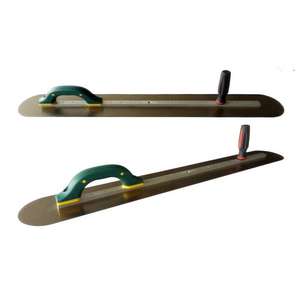
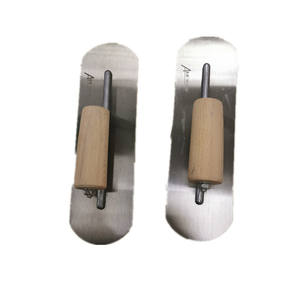
Concrete Cement Drywall Trowel
PRODUCT PARAMETERS
Description
Overview of Concrete Cement Drywall Trowel
The Concrete Tools product line provides comprehensive solutions for contractors, tradespeople, and dedicated DIYers working with concrete. Our catalog is systematically organized to support every critical phase of the concrete workflow.
Features of Concrete Cement Drywall Trowel
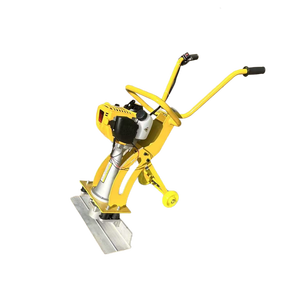
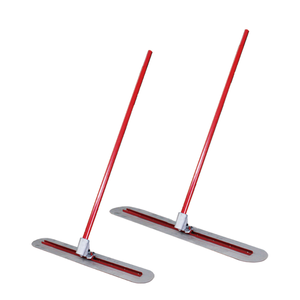
It begins with Mixing & Transport, featuring sturdy mortar tubs and mixing carts for preparing and moving material. Next, the Placing & Leveling section offers a variety of trowels, floats, and screeds to spread and initially level the concrete slab. For the Finishing & Polishing stage, we supply everything from hand edgers to power trowels, enabling a smooth, dense, and professional-grade surface. Finally, our Texturing & Stamping collection includes imprint mats and texture rollers to create beautiful, durable finishes that mimic stone, brick, or wood.
Whether you’re pouring a foundation, a patio, or a decorative walkway, Concrete Tools provides the reliable equipment you need to execute the job efficiently and to the highest standard.
The products within the Concrete Tools column are engineered to meet the rigorous demands of concrete work, offering distinct advantages that enhance productivity, results, and long-term value.
Unmatched Durability and Longevity: Concrete is abrasive and corrosive. Our tools are constructed from high-grade materials like high-carbon steel and forged alloys, often featuring protective coatings to resist rust and wear. This robust construction ensures they withstand daily job site abuse, significantly outlasting conventional tools and providing a better return on investment over time.
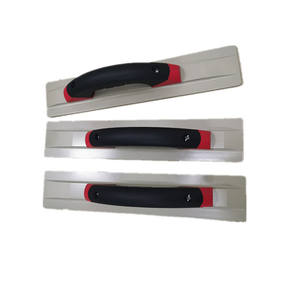
Ergonomic Design for Enhanced Control and Comfort: We prioritize the user’s experience. Hand tools are equipped with contoured, non-slip grips that reduce hand and wrist fatigue, allowing for longer, more comfortable work periods. The optimal balance and weight distribution of our trowels and floats provide superior control and a “”feel”” for the material, leading to a flatter, more consistent finish and reduced rework.
Innovation and Functional Versatility: Our product line continuously evolves to incorporate new solutions. This includes specialized tools for intricate edging and jointing, as well as innovative stamping mats that create deeper, more realistic texture patterns. This variety ensures that professionals have access to the right tool for both standard tasks and unique design challenges, fostering creativity and efficiency on diverse projects, from simple slabs to complex architectural elements.”

Specification of Concrete Cement Drywall Trowel
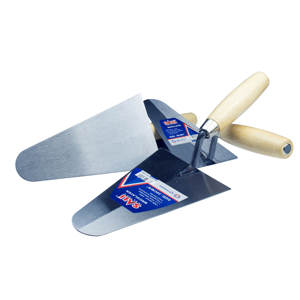
This tool helps finish drywall surfaces. People use it on walls and ceilings. It spreads joint compound smoothly. You need it for professional results.
The blade is stainless steel. This material prevents rust. It stays clean easily. Stainless steel blades last a long time. They resist bending too.
The handle is ergonomic. It fits comfortably in your hand. This reduces fatigue during long jobs. The grip is non-slip. You maintain control even when your hands are sweaty.
Common blade sizes are 4 inches, 6 inches, 10 inches, and 12 inches. Different sizes suit different tasks. A smaller blade works well in tight corners. A larger blade covers big areas faster.
The blade has a slight flex. This flexibility helps it conform to the wall surface. It creates a flatter finish. A stiff blade might leave ridges.
The blade edges are straight and sharp. A sharp edge cuts excess compound cleanly. It leaves a neat edge along corners. A bent edge ruins the finish.
The trowel feels balanced. The weight is right. This makes it easy to maneuver. You can apply even pressure across the blade.
It requires almost no maintenance. Just wipe it clean after use. Keep it dry. Store it flat to prevent warping.
This tool is durable. It withstands daily job site use. Professionals rely on it. It is a fundamental part of drywall finishing.
Applications of Concrete Cement Drywall Trowel
This tool is for spreading and smoothing wet materials on flat surfaces. It works great on drywall joints. You use it to apply joint compound over tape. This step hides seams between wallboard panels. The flat blade presses mud evenly into the tape. You need a smooth coat for the best finish. The trowel scrapes off extra mud as you work. This keeps the surface level. It prevents bumps and ridges from forming. A clean blade edge leaves crisp lines at corners.
It also handles concrete repair work well. You can patch cracks in floors or sidewalks. Scoop some cement mix onto the damaged spot. Use the trowel to push it deep into the crack. Then smooth it over the top. Match the surrounding area as best you can. This fills holes effectively. It makes the surface flat again.
The flat blade is good for skim coating too. This means putting a thin layer over a whole wall. It fixes minor imperfections or rough textures. Spread a light coat of compound across the wall. Keep the pressure even. The trowel helps create a uniform surface. It removes lines and marks from previous coats.
It works on other surfaces besides drywall. Try it on plaster walls that need patching. Apply filler over damaged spots. Smooth it flush with the existing wall. The tool gives good control for these small jobs. It reaches into corners easily. The stiff blade doesn’t flex too much. This keeps your application consistent.
Maintaining the tool is simple. Clean it right after using wet materials. Water and a stiff brush remove most residue. Let it dry completely before storing it. Check the blade for nicks or bends occasionally. A damaged blade affects your finish. Keep the edge straight for the best results. Store it somewhere flat to avoid warping.
Company Profile
We are the global leader in lightweight concrete and advanced engineered foam solutions. Known globally for its commitment to research, innovation, and applied expertise, we have been providing engineered foam solutions since the early 2012’s.
We can supply high-quality concrete admixture and foam concrete related products all over the world.
The company has a professional technical department and quality supervision department, a well-equipped laboratory, and equipped with advanced testing equipment and after-sales customer service center.
If you are interested, please feel free and contact us.
Payment
T/T, Western Union, Paypal, Credit Card etc.
Shipment
By air, by sea, by express, as customers request.
5 FAQs of Concrete Cement Drywall Trowel
What is this trowel used for?
This tool spreads and smooths wet concrete, cement plaster, drywall joint compound. It handles many materials. Use it for finishing walls, ceilings, floors. It gives a flat, even surface. It works well for big areas.
What size should I choose?
Pick a blade size matching your job. Small blades, like 4 inches, fit tight corners. Medium blades, like 8 inches, handle average tasks. Large blades, like 12 inches, cover big surfaces faster. Think about your project size. Choose the blade that feels right.
What materials is the trowel made from?
Most blades are stainless steel or carbon steel. Stainless steel resists rust well. Carbon steel is strong but needs more care. The handle is often wood or plastic. Wood feels sturdy. Plastic is lighter. Both grip well. Good materials make the tool last.
How do I care for my trowel?
Clean it right after use. Wash off any wet material. Dry the blade completely. This stops rust. Check the blade for bends or dents. Store it somewhere dry. Keep it away from moisture. Proper care keeps it working for years.
Why is this trowel better than others?
It combines strength and flexibility. The blade bends just enough for smooth finishing. It doesn’t flex too much. The handle fits comfortably in your hand. It reduces hand tiredness. The balance feels good. This helps you work better.