Professional solutions on concrete addtives, Concrete Foaming Agent, Superplasticizer, CLC Blocks Additives, and foaming machine

What Are the Best Admixtures for Modern Concrete Projects?
1. Introduction
Just 24 hours ago, a major infrastructure project in Texas announced it would use advanced polycarboxylate-based superplasticizers to achieve high-strength, self-consolidating concrete for a new bridge—highlighting how critical modern admixtures are in today’s construction. As sustainability, durability, and efficiency drive innovation, understanding the right admixture used in concrete can make or break a build.
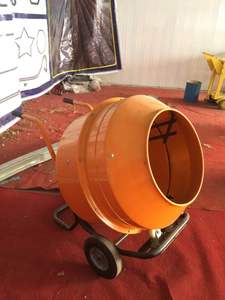
Concrete admixtures—also called concrete additives or ad mixtures—are chemical or mineral ingredients added to concrete before or during mixing to modify its properties. From speeding up curing time to enhancing freeze-thaw resistance, these concrete chemicals solve real-world challenges on job sites worldwide.
2. Superplasticizers: The Game-Changers in Workability
Superplasticizers (or high-range water reducers) are among the most impactful concrete admixture types. They drastically reduce water content while maintaining flowability—ideal for high-performance concrete.
Two dominant categories exist: naphthalene-based superplasticizer and polycarboxylate ether (PCE) superplasticizer. Naphthalene sulfonate in concrete offers strong initial slump retention but can cause rapid slump loss. In contrast, PCE-based superplasticizers provide superior workability, longer slump retention, and lower dosage requirements—making them the best superplasticizer for concrete in modern applications.
- Polycarboxylate superplasticizer is eco-friendlier and compatible with supplementary cementitious materials.
- Naphthalene superplasticizer is cheaper but less efficient and more prone to air entrainment issues.
Whether labeled as plasticizer for concrete, concrete plasticiser, or super plasticizers, these water reducing admixtures enable leaner mixes without sacrificing strength—critical for tall buildings and complex formwork.
3. Air Entraining and Waterproofing Additives
Air entraining concrete improves durability in cold climates by creating microscopic air bubbles that relieve internal pressure during freeze-thaw cycles. An air entraining admixture—often called an air entraining agent—works alongside other concrete chemicals to boost resilience.
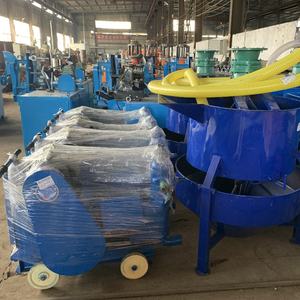
Meanwhile, waterproofing admixture solutions like integral waterproofer and crystalline waterproofing admixture chemically react within the matrix to block moisture pathways. Unlike surface coatings, these admixture waterproofing systems become part of the concrete itself.
For basements, tunnels, or water tanks, a concrete waterproof admix such as a cement waterproofing additive ensures long-term protection. Crystalline types even self-seal micro-cracks over time—offering unmatched longevity compared to traditional sealers.
4. Setting Time Modifiers: Accelerators vs. Retarders
Concrete accelerator and concrete retarder admixtures give contractors precise control over curing schedules. Accelerating admixtures for concrete shorten setting time—essential for fast-track projects or cold-weather pours—while also improving early strength gain.
On the flip side, a concrete retarder admixture delays hydration, useful in hot climates or for large continuous pours where workability must be maintained. Surface retarder concrete is even used decoratively to expose aggregates in stamped finishes.
Choosing between them depends on ambient conditions, logistics, and design specs. For example, fast curing concrete additives might pair well with steel fiber reinforced concrete to achieve rapid structural readiness.
5. Fiber Reinforcement: Beyond Traditional Rebar
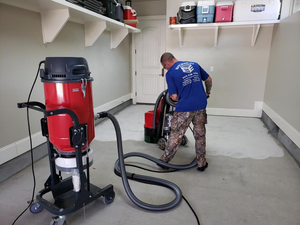
Fibers for concrete—like polypropylene fibres for concrete, steel fibers for concrete, or even coconut fiber reinforced concrete—add tensile strength, reduce cracking, and improve impact resistance. This category includes macro fibers for structural enhancement and microfibers for plastic-shrinkage control.
Fiber reinforced concrete is now common in industrial floors, shotcrete, and precast elements. Brands like Hardie concrete siding and CertainTeed concrete siding use fiberfor concrete mixes to create durable, wood-like exteriors without rot or warping.
While not a replacement for primary rebar in all cases, reinforcement fiber for concrete significantly boosts performance in thin sections and reduces maintenance costs over time—especially in concrete siding for homes seeking a modern concrete siding aesthetic.
6. Specialty Admixtures: Foaming Agents, Colorants, and Release Aids
Beyond core performance, specialty concrete additives address niche needs. A concrete foaming agent creates lightweight cellular concrete for insulation blocks, with protein-based or synthetic options affecting bubble stability and density.
Colored concrete relies on pigments and release agents—like powder release agent for concrete or water-based release agent—to achieve stamped concrete colors and patterns without sticking to molds. Popular shades include charcoal concrete color, terra cotta concrete color, and white stamped concrete for contemporary designs.
Even white cement, often used in decorative countertops or facades, benefits from superplasticizer admixture to maintain fluidity without excess water—ensuring a smooth, bright finish.
7. Conclusion
Selecting the best admixture for concrete isn’t about one-size-fits-all—it’s about matching chemistry to context. Whether you need a superplasticizer in concrete for pumpability, an air entraining cement for winter durability, or a waterproof admix for below-grade structures, today’s admixture types offer unprecedented precision. With innovations like PCE superplasticizers and crystalline waterproofing leading the charge, smart admixture selection is no longer optional—it’s essential for resilient, efficient, and sustainable construction.
Our Website founded on October 17, 2012, is a high-tech enterprise committed to the research and development, production, processing, sales and technical services of ceramic relative materials such as What. Our products includes but not limited to Boron Carbide Ceramic Products, Boron Nitride Ceramic Products, Silicon Carbide Ceramic Products, Silicon Nitride Ceramic Products, Zirconium Dioxide Ceramic Products, etc. If you are interested, please feel free to contact us.