Professional solutions on concrete addtives, Concrete Foaming Agent, Superplasticizer, CLC Blocks Additives, and foaming machine

Admixtures Are Revolutionizing Modern Concrete—Here’s Everything You Need to Know
1. Introduction
Just 24 hours ago, a major breakthrough was announced by a leading European construction materials firm: a new generation of polycarboxylate ether (PCE)-based superplasticizers that reduce water content by up to 40% while maintaining ultra-high flowability in self-compacting concrete. This innovation highlights how critical admixtures have become in pushing the boundaries of sustainable, high-performance construction.

If you’ve ever wondered why modern concrete can be poured like pancake batter yet harden into rock-solid structures—or how sidewalks stay crack-free in freezing winters—you’re seeing the magic of admixtures at work. Let’s break down what they are, why they matter, and which ones deliver the best results.
2. What Are Admixtures?
Admixtures are chemical or mineral ingredients added to concrete during mixing to modify its properties. Unlike aggregates or cement, these are used in small quantities—but their impact is massive. Whether you’re speeding up curing time, boosting strength, or making concrete waterproof, there’s an admixture for that.
The term ‘ad mixtures’ (often written as one word: admixtures) encompasses everything from plasticizers to fibers, accelerators to foaming agents. They fall under two broad groups: chemical admixtures and mineral admixtures.
3. Common Types of Concrete Admixture
Concrete admixture types vary widely based on function. Here’s a quick look at the most widely used categories:
- Water reducing admixtures (including mid-range and high-range water reducers)
- Superplasticizers (also called super plasticizers or high-range water reducers)
- Concrete retarders and accelerators
- Air entraining admixtures
- Waterproofing admixtures
- Fiber reinforcement additives
- Foaming agents for lightweight concrete
Each serves a unique purpose—and many are used together to achieve complex performance goals.
4. Superplasticizers: The Game-Changer in Workability
Superplasticizer in concrete is arguably the most transformative admixture of the last 50 years. Also known as plasticizer for concrete or concrete plasticiser, it dramatically increases fluidity without adding extra water.
Modern superplasticizer admixture formulas—especially polycarboxylate ether (PCE) types—offer superior slump retention and compatibility with various cements. Brands like Chryso admixture lead the market with PCE-based solutions that enable ultra-high-performance concrete mixes.
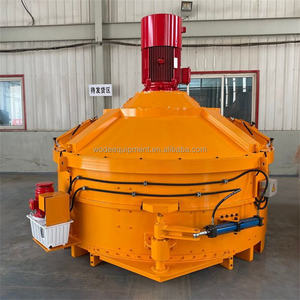
Unlike older naphthalene or melamine-based superplasticizers, today’s PCE superplasticizers provide better control, less slump loss, and eco-friendlier production. They’re essential for precast elements, high-rise pumping, and intricate architectural pours.
5. Controlling Time: Accelerators and Retarders
Need concrete to set fast? Use a concrete accelerator. These accelerating admixtures for concrete shorten curing time—ideal for cold-weather pours or emergency repairs. They directly impact concrete accelerator curing time, often cutting initial set by 30–50%.
On the flip side, a concrete retarder admixture delays hydration, giving crews more time to place and finish large slabs in hot climates. Surface retarder concrete products even allow decorative stamping by keeping the surface soft while the bulk hardens.
Both are vital tools in the contractor’s kit, especially when timing is everything.
6. Air Entraining and Durability Boosters
Air entraining concrete contains microscopic air bubbles created by an air entraining agent. These bubbles act as pressure relief valves during freeze-thaw cycles, preventing cracks and spalling.
An air entraining admixture is mandatory in regions with harsh winters. It’s not about strength—it’s about longevity. Look for terms like air entraining cement or air entraining concrete when specifying mixes for driveways, bridges, or marine structures.
7. Waterproofing and Protection
Waterproofing admixture for concrete comes in several forms: integral waterproofers, crystalline systems, and hydrophobic additives. A concrete waterproofing additive or cement waterproofing additive reacts internally to block capillary pores, offering long-term moisture resistance without surface membranes.
Crystalline waterproofing admixture is especially popular for basements and water tanks—it grows crystals inside the concrete matrix to seal leaks permanently. For above-grade applications, an integral waterproofer may suffice.
8. Fiber Reinforcement: Beyond Steel Rebar
Fibers for concrete—whether polypropylene, steel, or even coconut—are now standard in many mixes. Fiber reinforced concrete improves crack resistance, impact strength, and ductility.
Macro fibers and microfibers serve different roles: pp fiber concrete handles plastic shrinkage cracks, while steel fibers for concrete boost post-crack load capacity. Carbon fiber reinforced concrete is emerging for ultra-lightweight, high-strength applications.
You’ll find fiberfor concrete in everything from industrial floors to fibercement siding. Yes—even home siding like Hardie concrete siding or CertainTeed concrete siding often uses fiber reinforcement for durability and that sought-after wood-like appearance.
9. Specialty Additives: Color, Release, and Foam
Colored concrete relies on pigments and release agents. Stamped concrete colors—from charcoal to terra cotta—are applied using powder release agents or spray release products that also prevent sticking to molds.
For lightweight builds, a concrete foaming agent creates cellular concrete (or aircrete). CLC foaming agents—protein-based or synthetic—produce stable foam for blocks or insulation panels. The best foaming agent for aircrete balances stability, cost, and environmental impact.
And don’t forget white cement! Used in white concrete countertops or decorative facades, it pairs beautifully with tinted admixtures for custom aesthetics.
10. Choosing the Best Admixture for Concrete
There’s no single ‘best admixture for concrete’—it depends on your project. Need flow? Go for a superplasticizer. Worried about winter? Add an air entraining admixture. Building a basement? Prioritize a crystalline waterproofing admixture.
Always consult technical data sheets and consider compatibility. Many contractors now blend multiple concrete chemicals—like a water reducer + fiber + accelerator—to meet complex specs efficiently.
11. Conclusion
From superplasticizers that enable skyscraper pours to fibers that mimic wood grain in modern concrete siding, admixtures are the unsung heroes of 21st-century construction. As innovations like next-gen PCE formulas hit the market, their role will only grow. Whether you’re a DIYer buying from Home Depot concrete siding sections or an engineer specifying fiber reinforced polymer concrete, understanding admixture types ensures smarter, stronger builds.
Our Website founded on October 17, 2012, is a high-tech enterprise committed to the research and development, production, processing, sales and technical services of ceramic relative materials such as Admixtures. Our products includes but not limited to Boron Carbide Ceramic Products, Boron Nitride Ceramic Products, Silicon Carbide Ceramic Products, Silicon Nitride Ceramic Products, Zirconium Dioxide Ceramic Products, etc. If you are interested, please feel free to contact us.