Professional solutions on concrete addtives, Concrete Foaming Agent, Superplasticizer, CLC Blocks Additives, and foaming machine

Admixtures Are Revolutionizing Modern Concrete—Here’s How
1. Introduction
Just 48 hours ago, the American Concrete Institute (ACI) released updated guidelines emphasizing the critical role of advanced admixtures in sustainable infrastructure projects—a move that underscores how integral these additives have become in modern construction. As climate resilience and material efficiency take center stage, understanding admixtures is no longer optional for engineers, contractors, or DIY builders.
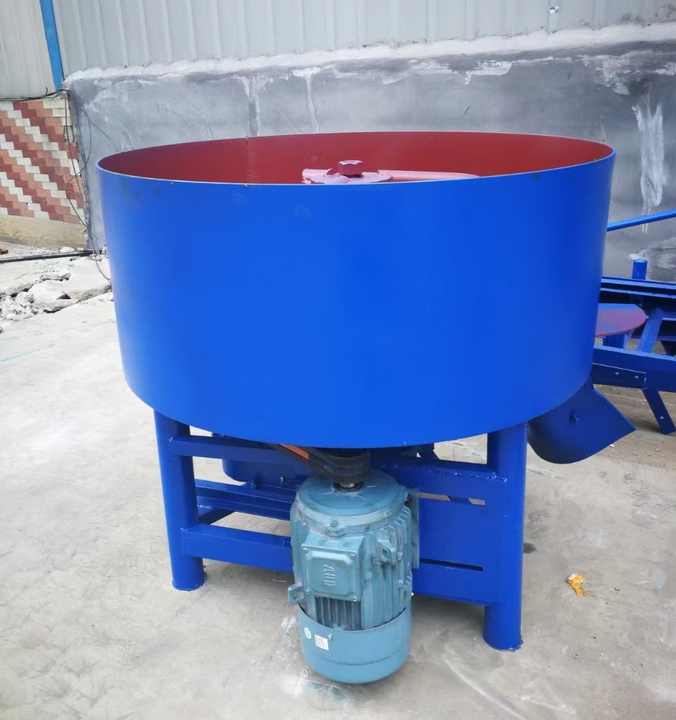
At its core, an admixture is any material added to concrete—other than water, cement, or aggregates—to modify its properties. Whether you’re aiming for faster curing, enhanced strength, or improved aesthetics, there’s likely an admixture designed for your exact need. Let’s dive into the world of concrete admixtures and uncover what makes them indispensable.
2. What Are Admixtures?
Admixtures—sometimes spelled ‘ad mixtures’—are chemical or mineral additives incorporated into concrete mixes to enhance specific characteristics. These can range from improving workability and setting time to increasing durability against weather, chemicals, or wear. The best admixture for concrete depends entirely on the project’s environmental conditions, structural demands, and design goals.
Modern concrete rarely exists without some form of chemical admixture for concrete. In fact, over 80% of commercial concrete today contains at least one type of admixture, making them a silent backbone of resilient infrastructure.
3. Major Admixture Types and Their Functions
3.1 Water-Reducing Admixtures
Water reducing admixtures are among the most common concrete additives. They reduce the water content needed for a given slump (workability), which increases strength and durability without compromising flow. Concrete water reducers come in mid-range and high-range varieties, with the latter often referred to as superplasticizers.
Superplasticizer in concrete—also called super plasticizers or polycarboxylate ether (PCE)-based admixtures—can reduce water content by up to 40%. This makes them ideal for high-strength or self-consolidating concrete. Brands like Chryso admixture offer advanced PCE superplasticizer formulations that deliver exceptional flow with minimal dosage.
3.2 Set-Modifying Admixtures
Concrete retarder admixtures delay the initial setting time, useful in hot weather or for long hauls. Conversely, concrete accelerator curing time is shortened with accelerating admixtures for concrete, enabling faster form removal or early load application. Surface retarder concrete is a specialized variant used in exposed-aggregate finishes.
These set-modifying tools give contractors precise control over timing—critical for large pours or complex architectural elements.
3.3 Air-Entraining Admixtures
Air entraining concrete contains microscopic air bubbles introduced via an air entraining agent. These bubbles act as pressure relief valves during freeze-thaw cycles, preventing cracking and spalling. Air entraining admixture is especially vital in cold climates and is often required by building codes for exterior slabs and pavements.
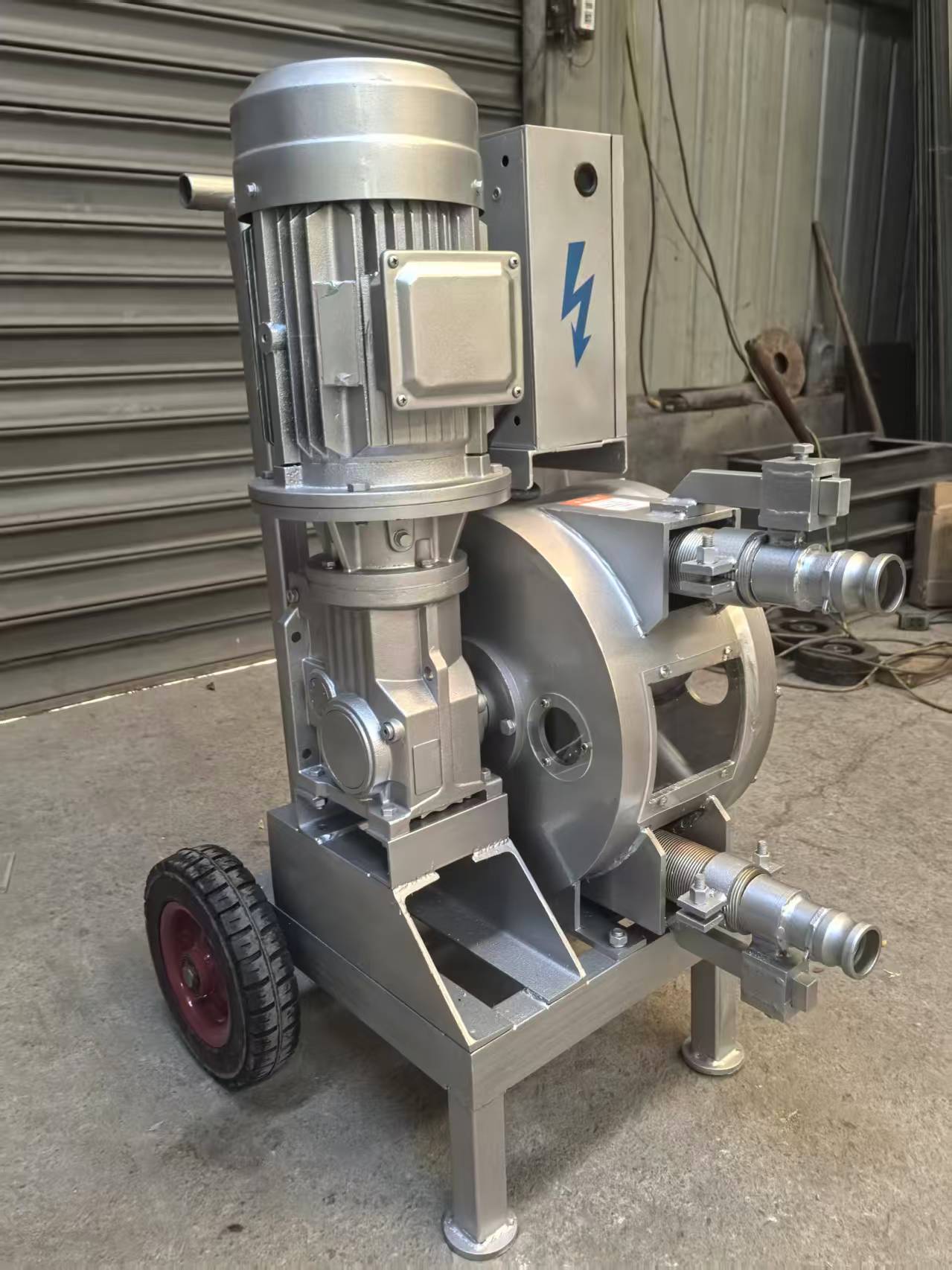
Don’t confuse this with foam concrete—it’s not about lightweight structure but durability enhancement through controlled air voids.
3.4 Waterproofing Admixtures
For basements, tunnels, or water-retaining structures, waterproofing admixture for concrete is essential. Options include integral waterproofer, crystalline waterproofing admixture, and cement waterproofing additive. Unlike surface coatings, these work from within the matrix, blocking capillary pores permanently.
A concrete waterproof admix or waterproof admix ensures long-term resistance without maintenance—ideal for green building and infrastructure longevity.
4. Specialty Admixtures and Emerging Trends
4.1 Fiber Reinforcement
Fibers for concrete—such as polypropylene fibres for concrete, steel fibers for concrete, or even coconut fiber reinforced concrete—add tensile strength and crack control. Fiber reinforced concrete is now standard in industrial floors, shotcrete, and seismic zones.
Macro fibers and microfibers serve different roles: macro fibers bridge cracks structurally, while microfibers reduce plastic shrinkage. Products like Fibermesh concrete integrate seamlessly into ready-mix operations.
Note: While concrete fiber siding (e.g., Hardie or CertainTeed brands) uses fiber-cement composites for exterior cladding, it’s distinct from structural fiber-reinforced concrete used in foundations or slabs.
4.2 Foaming Agents for Lightweight Concrete
Foaming agent used in foam concrete—like CLC foaming agent or protein-based foaming agent—creates cellular or aircrete structures. These yield lightweight blocks with good insulation properties. Synthetic foaming agents dominate the market, though homemade foaming agent for concrete recipes exist for small-scale use.
Equipment like concrete foaming machines and cellular concrete equipment enable consistent production of foamcrete for walls and precast units.
4.3 Aesthetic Enhancements
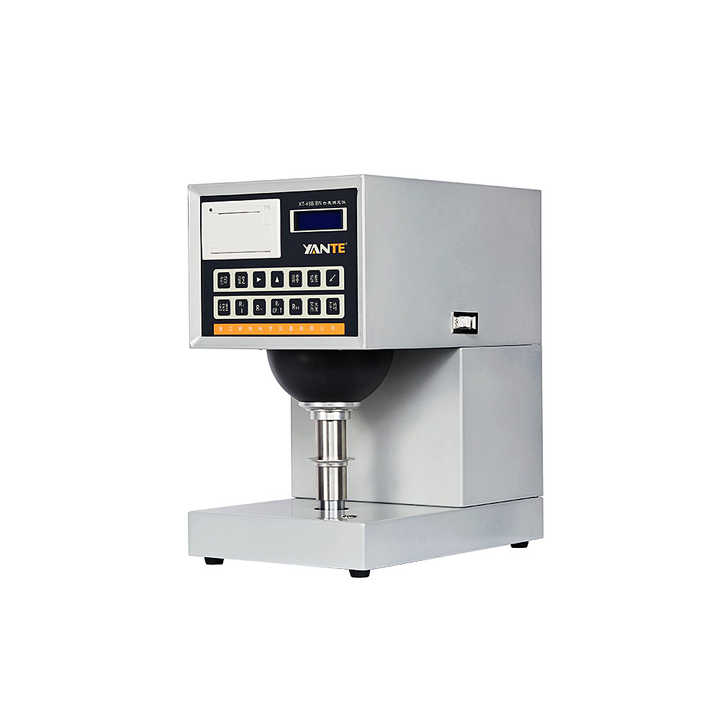
Colored concrete and stamped concrete colors rely on pigments and release agents. Powder concrete colorants, combined with concrete release agent (spray or powder), allow intricate patterns—from brickform liquid release effects to charcoal stamped concrete finishes.
White cement, prized for its brightness, is used in white concrete countertops, decorative panels, and high-end facades. Its compatibility with superplasticizer and waterproofing admixture expands design flexibility.
5. Choosing the Right Admixture
Selecting the right admixture used in concrete involves balancing performance, cost, and compatibility. Always review the bio data sheet for chemical admixtures to ensure they don’t interfere with other components. For example, a superplasticizer admixture may require adjusted dosing when combined with certain mineral admixtures like fly ash or silica fume.
When sourcing, consider availability—superplasticizer near me searches often lead to suppliers like Home Depot for small projects, while industrial users partner directly with manufacturers.
6. Conclusion
From superplasticizer to fiber reinforcement and crystalline waterproofing, admixtures have transformed concrete from a basic building block into a high-performance, customizable material. As sustainability and resilience drive construction innovation, these concrete chemicals will only grow more sophisticated—and more essential.
Our Website founded on October 17, 2012, is a high-tech enterprise committed to the research and development, production, processing, sales and technical services of ceramic relative materials such as Admixtures. Our products includes but not limited to Boron Carbide Ceramic Products, Boron Nitride Ceramic Products, Silicon Carbide Ceramic Products, Silicon Nitride Ceramic Products, Zirconium Dioxide Ceramic Products, etc. If you are interested, please feel free to contact us.