Professional solutions on concrete addtives, Concrete Foaming Agent, Superplasticizer, CLC Blocks Additives, and foaming machine

Advanced Admixtures Are Revolutionizing 3D-Printed Concrete Construction
1. Introduction
In a groundbreaking development reported just hours ago, COBOD International unveiled a fully 3D-printed multi-story residential building in Germany, constructed using an advanced concrete mix enhanced with next-generation admixtures. This milestone underscores a seismic shift in construction technology—where precision-engineered concrete admixtures are no longer optional but essential enablers of additive manufacturing in the built environment.
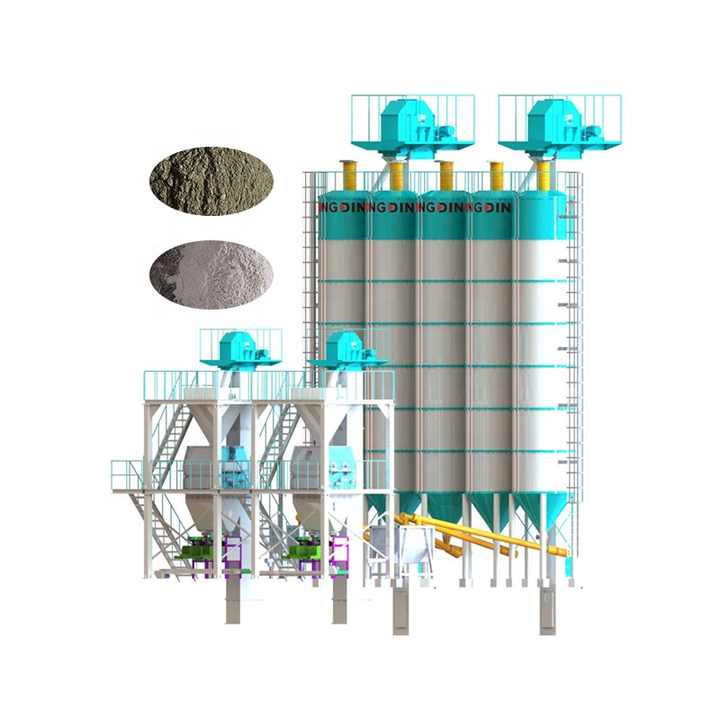
The success of 3D-printed concrete hinges not on traditional formwork or reinforcement alone, but on the intelligent use of chemical and mineral admixtures that fine-tune workability, setting time, and mechanical performance. From superplasticizers to fiber reinforcements and waterproofing additives, these concrete chemicals transform ordinary cementitious blends into smart, printable materials capable of complex geometries and rapid deployment.
2. The Critical Role of Admixtures in 3D-Printed Concrete
Unlike conventional casting, 3D concrete printing demands a unique balance: the mix must flow smoothly through the nozzle (high fluidity) yet retain its shape immediately after deposition (rapid stiffening). Achieving this duality is impossible without carefully selected admixture types tailored to extrusion-based processes.
2.1. Superplasticizers: Enabling Flow Without Segregation
At the heart of printable concrete lies the superplasticizer—a high-range water reducer that dramatically increases fluidity without adding excess water. Polycarboxylate ether (PCE)-based superplasticizers are now the gold standard due to their superior dispersion efficiency and compatibility with supplementary cementitious materials.
These super plasticizers reduce water content by up to 40%, yielding a dense, high-strength matrix while maintaining pumpability. Crucially, PCE superplasticizers offer tunable slump retention, allowing contractors to adjust open time based on print speed and ambient conditions. This makes them the best admixture for concrete in automated, continuous printing operations.
2.2. Accelerating and Retarding Admixtures: Precision Control of Setting Time
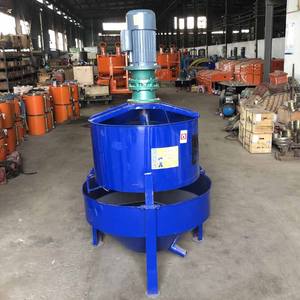
Once extruded, each concrete layer must gain sufficient green strength within minutes to support subsequent layers—without cracking or slumping. Here, accelerating admixtures for concrete play a pivotal role. Fast curing concrete additives, often based on calcium nitrate or nano-silica, shorten initial set time dramatically.
Conversely, in hot climates or during equipment delays, a concrete retarder admixture may be co-dosed to prevent premature stiffening in the pump line. Surface retarder concrete agents are sometimes used selectively to create controlled bond interfaces between layers. This dual-control strategy—using both concrete accelerator and admixture retarder—ensures robust interlayer adhesion and structural continuity.
2.3. Fiber Reinforcement: Eliminating Traditional Rebar
One of the most transformative applications in 3D printing is the integration of fibers directly into the mix, eliminating the need for post-installed rebar in many non-seismic applications. Polypropylene fibres for concrete, steel fibers for concrete, and even carbon fiber reinforcement in concrete enhance tensile strength, crack resistance, and ductility.
Macro fibers and microfibers are dosed at 0.5–2% by volume, creating a homogenous fiber reinforced concrete mix that resists delamination between printed layers. Notably, pp fiber concrete improves impact resistance, while steel fiber reinforced concrete delivers load-bearing capacity suitable for walls and structural elements. Coconut fiber reinforced concrete is also gaining traction as a sustainable alternative in low-rise applications.
2.4. Waterproofing and Durability Enhancers
Long-term performance requires protection against moisture ingress. Crystalline waterproofing admixture and integral waterproofer types react with cement hydration byproducts to form insoluble crystals that block capillary pores. These concrete waterproofing additives are especially valuable in 3D-printed structures, where layer interfaces can be potential pathways for water.
Additionally, air entraining admixture is occasionally used in freeze-thaw environments to improve durability. Though less common in printing due to potential foam instability, modern air entraining agents can be precisely metered to introduce microscopic, stable air voids without compromising extrudability.
3. Emerging Trends and Commercial Solutions
Leading admixture manufacturers like Chryso have launched proprietary formulations specifically for 3D printing—blends that combine superplasticizer admixture, accelerating admixtures for concrete, and fiber packages into single-dose solutions. These systems simplify batching and ensure consistency across large-scale projects.
Moreover, the rise of lightweight printable structures has spurred demand for concrete foaming agent technologies. Protein-based foaming agents and synthetic foaming agents enable cellular concrete with densities below 1,200 kg/m³, ideal for insulation panels or non-load-bearing partitions. CLC foaming agent price and performance continue to improve, making foam concrete more accessible.
4. Conclusion
The future of construction is being printed—one layer at a time—and advanced concrete admixtures are the invisible architects of this revolution. From polycarboxylate superplasticizer enabling flawless extrusion to polypropylene fibre ensuring crack resistance and crystalline waterproofing admixture guaranteeing longevity, these concrete additives are redefining what’s possible. As 3D printing scales globally, the strategic selection of admixture types will remain central to innovation, sustainability, and structural excellence in the built environment.
Our Website founded on October 17, 2012, is a high-tech enterprise committed to the research and development, production, processing, sales and technical services of ceramic relative materials such as Advanced. Our products includes but not limited to Boron Carbide Ceramic Products, Boron Nitride Ceramic Products, Silicon Carbide Ceramic Products, Silicon Nitride Ceramic Products, Zirconium Dioxide Ceramic Products, etc. If you are interested, please feel free to contact us.