Professional solutions on concrete addtives, Concrete Foaming Agent, Superplasticizer, CLC Blocks Additives, and foaming machine

Not All Admixtures Are Created Equal—Here’s How to Pick the Right One Without Melting Your Concrete
1. Introduction
Just 24 hours ago, a viral TikTok video showed a contractor pouring what looked like pancake batter onto a driveway—only to reveal it was ultra-flowing concrete made possible by modern superplasticizers. The clip, which has already racked up 2.3 million views, perfectly illustrates how far concrete technology has come. No longer is concrete just gray sludge; thanks to advanced admixtures, it can be self-leveling, waterproof, freeze-thaw resistant, or even look like expensive hardwood siding.
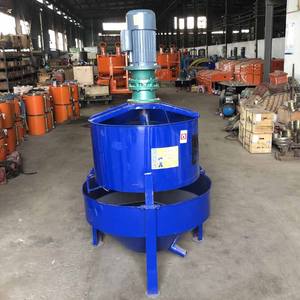
But with dozens of concrete additives flooding the market—from Chryso admixture to coconut fiber reinforcement—it’s easy to feel overwhelmed. Should you reach for a naphthalene-based water reducer or go full sci-fi with polycarboxylate ether? Is an integral waterproofer better than crystalline waterproofing admixture? And what on earth is the difference between a concrete retarder and a surface retarder concrete?
Fear not. We’re slicing through the jargon like a diamond blade through cured slab to give you a clear, funny, and deeply practical guide to admixture types—and which ones actually deserve space in your mixing drum.
2. Superplasticizers: The Rockstars of Water Reducing Admixtures
If concrete had a red carpet, superplasticizers would strut down it in sunglasses. These high-range water reducers are the MVPs of workability, letting you slash water content by up to 40% while keeping the mix pourable. But not all super plasticizers are alike.
Naphthalene-based superplasticizer (SNF) was the OG—cheap, effective, and widely used since the 1970s. It delivers solid slump retention and decent strength gain. However, it’s got a short shelf life, can cause rapid slump loss, and isn’t eco-friendly. Think of it as the reliable old pickup truck: gets the job done, but guzzles fuel and smells faintly of regret.
Enter polycarboxylate ether (PCE)—the Tesla of superplasticizer admixture. PCE-based superplasticizers offer superior flow, longer workability, lower dosage requirements, and compatibility with modern cement blends. They’re pricier, sure, but if you’re aiming for high-performance concrete (like for skyscrapers or precast elements), PCE is the best superplasticizer for concrete today. Bonus: many PCE formulas are low-VOC and greener.
- Naphthalene sulfonate in concrete: budget-friendly but outdated
- Polycarboxylate ether superplasticizer: premium performance, future-proof
3. Air Entraining vs. Waterproofing: Opposites That Both Save Concrete
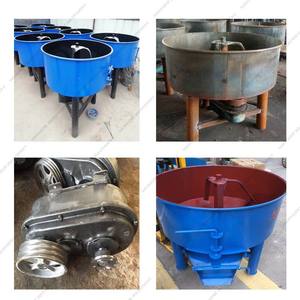
Here’s a fun paradox: one admixture adds tiny air bubbles (air entraining admixture), while another seals every pore shut (waterproofing admixture). Yet both protect concrete from destruction.
Air entraining concrete is essential in cold climates. Those microscopic bubbles act as pressure relief valves when water freezes and expands—preventing spalling and cracking. An air entraining agent like vinsol resin creates a stable foam during mixing, yielding 4–7% entrained air. Skip it, and your sidewalk becomes a winter demolition derby.
On the flip side, a concrete waterproofing additive—especially crystalline waterproofing admixture—reacts with moisture and unhydrated cement to form insoluble crystals that block capillaries. Unlike surface sealers, this protection is integral and permanent. For basements, tunnels, or water tanks, an admixture waterproofing solution beats painting on a band-aid any day.
Pro tip: Never combine air-entraining and high-dose superplasticizers blindly—they can destabilize each other’s chemistry. Always consult the bio data sheet!
4. Fiber Reinforcement: From Polypropylene to Coconut
Forget rebar for a sec—fibers are having a moment. Whether it’s polypropylene fibres for concrete or steel fibers for concrete, these tiny reinforcements reduce plastic shrinkage cracks and boost impact resistance.
Macro fibers (like steel or synthetic polymer) handle structural loads, while microfibers (PP fiber concrete) control early-age cracking. Even exotic options like coconut fiber reinforced concrete are gaining traction in sustainable builds—though they’re not quite ready for seismic zones.
And yes, this ties into siding too. Modern concrete siding—like Hardie or CertainTeed fiber cement siding—uses cellulose or synthetic fibers to mimic wood grain without rotting. Want concrete siding that looks like wood? Thank fiber reinforcement.
5. Retarders, Accelerators, and the Art of Timing
Concrete doesn’t run on your schedule—it cures on its own mystical timeline. That’s where chemical admixture for concrete like retarders and accelerators come in.
A concrete retarder admixture delays setting in hot weather or for complex pours. Surface retarder concrete takes it further, keeping only the top layer soft for exposed-aggregate finishes.
Conversely, accelerating admixtures for concrete (like calcium chloride or non-chloride alternatives) slash curing time—ideal for fast curing concrete additives in emergency repairs. Just don’t overdo it; too much accelerator can cause flash set or corrosion in rebar.
6. Conclusion
Choosing the best admixture for concrete isn’t about picking the fanciest bottle off the shelf—it’s about matching chemistry to context. Need flow? Go PCE superplasticizer. Building in Minnesota? Don’t skip the air entraining. Pouring a basement in Florida? Crystalline waterproof admix is your new BFF.
With the right admixture used in concrete, you’re not just mixing cement—you’re engineering resilience, beauty, and longevity. And maybe, just maybe, you’ll go viral on TikTok too.
Our Website founded on October 17, 2012, is a high-tech enterprise committed to the research and development, production, processing, sales and technical services of ceramic relative materials such as Not. Our products includes but not limited to Boron Carbide Ceramic Products, Boron Nitride Ceramic Products, Silicon Carbide Ceramic Products, Silicon Nitride Ceramic Products, Zirconium Dioxide Ceramic Products, etc. If you are interested, please feel free to contact us.