Professional solutions on concrete addtives, Concrete Foaming Agent, Superplasticizer, CLC Blocks Additives, and foaming machine

Heat Insulation Pad Ceramic-Fiber Glassfiber Aerogel Composite Material
PRODUCT PARAMETERS
Description
Overview of Heat Insulation Pad Ceramic-Fiber Glassfiber Aerogel Composite Material
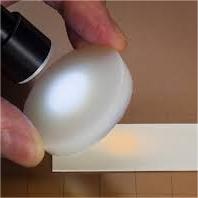
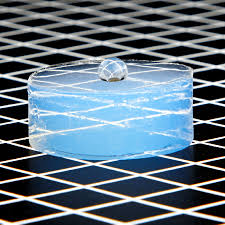
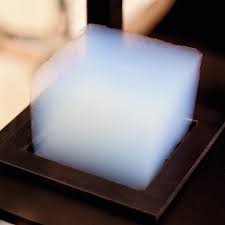
Heat Insulation Pad Ceramic-Fiber Glassfiber Aerogel Composite Material can meet the most demanding thermal insulation challenges across various industries. Our portfolio includes aerogel powder, aerogel thermal insulation coating, and aerogel insulation felts in various specifications, each engineered for superior performance.
Characteristics of Heat Insulation Pad Ceramic-Fiber Glassfiber Aerogel Composite Material
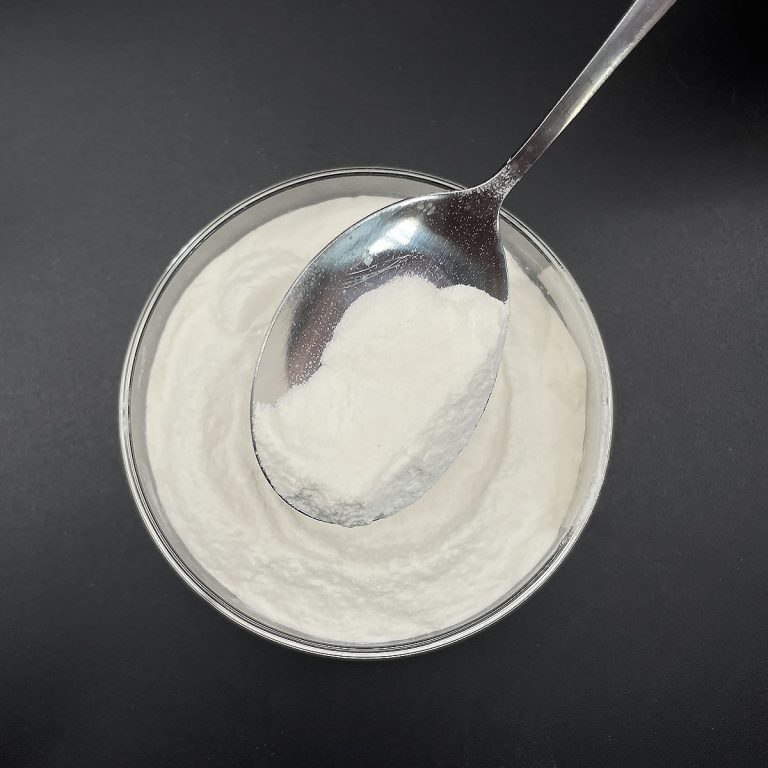
Aerogel Powder is the fundamental form of this revolutionary material, characterized by its extremely low density and high surface area. It serves as a critical additive for enhancing thermal properties in composites, plastics, coatings, and functional materials, bringing nano-scale insulation power to your formulations.
The Aerogel Thermal Insulation Coating integrates our proprietary powder into a robust, easy-to-apply solution. This coating provides exceptional thermal resistance, weatherproofing, and corrosion protection for pipes, tanks, and industrial structures. It is ideal for complex geometries where traditional insulation is impractical, sealing heat loss effectively.
Our Aerogel Insulation Felts are flexible, durable blankets available in various thicknesses, densities, and dimensions to suit diverse applications. Combining the phenomenal insulating power of aerogel with a practical, roll-out format, they are perfect for high-temperature industrial piping, HVAC systems, building envelopes, and more. They offer maximum thermal efficiency with minimal space requirements.

Specification of Heat Insulation Pad Ceramic-Fiber Glassfiber Aerogel Composite Material
This heat insulation pad uses an unique mix of materials. It incorporates ceramic fiber, glass fiber, and aerogel. This mix creates a very effective thermal barrier. The pad stops warm from relocating quickly. It works well in extremely hot atmospheres. Temperature levels can rise to 1260 ° C. The pad keeps points cooler beyond.
The pad uses outstanding thermal resistance. Warm struggles to pass through it. This means less warmth runs away. Less warm loss conserves energy. Power financial savings lower operating expense. The pad additionally offers good thermal stability. Its performance remains regular. It works accurately over long periods. The pad handles thermal cycling well. It sustains duplicated heating and cooling.
This material has reduced thermal conductivity. Warm does not stream through it easily. The aerogel part is key below. Aerogel has an extremely permeable structure. These little pores trap warm. The ceramic and glass fibers include stamina. They support the aerogel framework. The fibers also contribute insulation. With each other, they develop a durable obstacle.
The pad is lightweight and manageable. It is very easy to move and set up. Workers find it straightforward to deal with. Reducing and forming is straightforward. It fits neatly around pipelines and equipment. The pad is adaptable sufficient for intricate forms. It presses somewhat during suitable. This makes certain a tight, effective seal.
It provides good chemical stability. The pad stands up to numerous corrosive compounds. It will not break down quickly. This prolongs its valuable life-span. The material is also fire-resistant. It won’t ignite or fan. This improves workplace security. Fire threats are decreased significantly.
This insulation pad suits numerous sectors. Petrochemical plants use it widely. Power generation centers find it useful. Steel mills apply it around furnaces. It shields warm pipelines in refineries. The pad shields delicate tools. It maintains warmth far from workers. Workers are more secure near hot equipment. Energy effectiveness improves on the whole.
Applications of Heat Insulation Pad Ceramic-Fiber Glassfiber Aerogel Composite Material
Warm insulation pads made from ceramic-fiber, glassfiber, and aerogel composite product are vital in several sectors. They quit heat loss properly. This saves energy and cash. These pads handle really high temperatures well. They are excellent for lining industrial heaters. Heaters operate hot. Excellent insulation maintains warm inside. This makes the furnace job much better. It also shields the outer framework. Boilers need this material as well. Boilers create vapor or warm water. Insulation pads keep the warmth contained. This enhances efficiency. Less fuel is required to keep temperature. Pipelines bring hot fluids profit substantially. Warmth loss along pipes wastes power. These composite pads wrap pipelines firmly. They maintain the fluid warm over cross countries. Nuclear power plant use them thoroughly. Generators and generators obtain extremely warm. Insulation protects against warm from getting away uselessly. It secures neighboring tools. Factories use these pads around molten metal containers. Keeping molten metal hot is essential. The pads shield workers from severe induction heat. They boost safety. Chemical processing plants rely upon them. Numerous responses need exact temperature level control. The insulation aids keep stable problems. It secures delicate tools from warmth damage. Kilns for ceramics or blocks require strong insulation. These composite pads offer it. They make sure even heating up inside the kiln. This enhances item top quality. They are likewise used in high-temperature gaskets and seals. These seals stop leaks in warm systems. The material withstands the warmth and pressure. Automotive and aerospace applications exist also. Exhaust systems and engine compartments obtain extremely warm. This insulation takes care of that warmth. It safeguards other vehicle components.
Company Profile
We are the global leader in lightweight concrete and advanced engineered foam solutions. Known globally for its commitment to research, innovation, and applied expertise, we have been providing engineered foam solutions since the early 2012’s.
We can supply high-quality concrete admixture and foam concrete related products all over the world.
The company has a professional technical department and quality supervision department, a well-equipped laboratory, and equipped with advanced testing equipment and after-sales customer service center.
If you are interested, please feel free and contact us.
Payment
T/T, Western Union, Paypal, Credit Card etc.
Shipment
By air, by sea, by express, as customers request.
5 FAQs of Heat Insulation Pad Ceramic-Fiber Glassfiber Aerogel Composite Material
These insulation pads use a special mix. Ceramic fibers, glass fibers, and aerogel work together. Aerogel is mostly air trapped in tiny pockets. It’s very light and blocks heat extremely well. The ceramic and glass fibers add strength. They hold the aerogel in place. This combination creates a pad that stops heat transfer effectively. It’s flexible and easy to cut or shape.
These pads handle very high heat. They resist temperatures exceeding 1000 degrees Celsius. This makes them suitable for demanding industrial uses. They protect surrounding areas from extreme heat sources. Furnaces, boilers, and pipes often need this protection. The material won’t melt or degrade quickly at these temperatures.
This composite material is tough. The ceramic and glass fibers provide structure. They resist tearing and compression. Aerogel is fragile alone. The fibers support it. The pad maintains its shape and insulation properties under pressure. It withstands vibration and physical handling in industrial settings. It lasts a long time.
The materials are safe for high heat. Ceramic fibers, glass fibers, and silica aerogel are inorganic. They don’t release harmful gases when heated. They are chemically stable. This means no toxic fumes during normal use. They meet fire safety standards for industrial insulation. They are non-combustible.
Installing these pads is straightforward. They are lightweight and flexible. You can easily cut them with simple tools. They bend to fit curved surfaces like pipes or equipment. Attach them using high-temperature adhesive or mechanical fasteners. Ensure the pad surface is clean and dry first. A tight fit provides the best insulation. No special skills are usually needed.