Professional solutions on concrete addtives, Concrete Foaming Agent, Superplasticizer, CLC Blocks Additives, and foaming machine

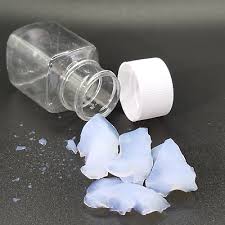
Hydrophilic silica aerogel insulation powder,aerogel particles

PRODUCT PARAMETERS
Description
Overview of Hydrophilic silica aerogel insulation powder,aerogel particles
Hydrophilic silica aerogel insulation powder,aerogel particles can meet the most demanding thermal insulation challenges across various industries. Our portfolio includes aerogel powder, aerogel thermal insulation coating, and aerogel insulation felts in various specifications, each engineered for superior performance.
Characteristics of Hydrophilic silica aerogel insulation powder,aerogel particles
Aerogel Powder is the fundamental form of this revolutionary material, characterized by its extremely low density and high surface area. It serves as a critical additive for enhancing thermal properties in composites, plastics, coatings, and functional materials, bringing nano-scale insulation power to your formulations.
The Aerogel Thermal Insulation Coating integrates our proprietary powder into a robust, easy-to-apply solution. This coating provides exceptional thermal resistance, weatherproofing, and corrosion protection for pipes, tanks, and industrial structures. It is ideal for complex geometries where traditional insulation is impractical, sealing heat loss effectively.
Our Aerogel Insulation Felts are flexible, durable blankets available in various thicknesses, densities, and dimensions to suit diverse applications. Combining the phenomenal insulating power of aerogel with a practical, roll-out format, they are perfect for high-temperature industrial piping, HVAC systems, building envelopes, and more. They offer maximum thermal efficiency with minimal space requirements.

Specification of Hydrophilic silica aerogel insulation powder,aerogel particles
This insulation powder is silica aerogel. Aerogel particles have very low density. They are mostly air. The solid part is silica. Silica is a common material. The powder has tiny pores. These pores are called nanopores. Nanopores are very small. They trap air inside. Trapped air stops heat movement. Heat moves through solids and air. Aerogel stops both paths well. This makes it a very good insulator.
The powder is hydrophilic. Hydrophilic means it likes water. It attracts water molecules. This is different from hydrophobic aerogel. Hydrophobic types repel water. Hydrophilic powder absorbs moisture easily. This can be useful. Some applications need moisture absorption. It can help manage humidity. It might help prevent condensation in some cases. Check if hydrophilic properties are needed for your job.
The thermal performance is excellent. The thermal conductivity is very low. Low thermal conductivity means good insulation. It keeps heat in or out effectively. The exact value depends on density and particle size. Typical values are very low. It outperforms traditional insulation like fiberglass. It needs less thickness for the same result. This saves space. Space saving is important in tight areas.
The powder is very light. Its bulk density is low. Low density means it weighs little. Handling and transport are easier. Installation might be simpler too. The fine powder flows well. It can fill complex shapes. It fills gaps and cavities completely. Complete filling gives uniform insulation. Uniform insulation stops cold spots.
It is used for thermal insulation. Common uses include pipe insulation. It insulates industrial pipes. It insulates HVAC ducts. It insulates building cavities. It works in equipment needing heat control. It suits high temperature applications. Temperatures above 200°C are possible. Check the specific grade’s temperature limit. Always wear gloves and a mask when handling fine powders. Avoid breathing in the dust. Keep it dry before use. Moisture can affect performance before installation. Follow the manufacturer’s guidelines for best results.
Applications of Hydrophilic silica aerogel insulation powder,aerogel particles
Hydrophilic silica aerogel insulation powder is a special material. It is made mostly of silica. This powder is very light. It has lots of tiny holes inside. These holes trap air very well. Trapped air is a great insulator. This makes the powder superb for stopping heat flow. It keeps heat in or keeps heat out very effectively. You can use this powder in many ways.
One main use is thermal insulation. The powder has very low thermal conductivity. This means heat doesn’t pass through it easily. You can add it to paints or coatings. Applying it to walls or pipes helps save energy. It reduces heat loss significantly. Industrial equipment also benefits. Wrapping pipes or tanks keeps temperatures stable. This saves money on heating or cooling.
Another important use is fire resistance. Silica itself doesn’t burn. The aerogel structure resists high heat. Mixing the powder into building materials adds fire safety. Fire doors or protective panels become better. The material doesn’t add much weight either. This is a big advantage.
The hydrophilic nature is key too. This powder absorbs moisture. It attracts water molecules. This is useful in humid environments. You can use it where controlling moisture matters. It helps prevent condensation issues. Some paints or plasters include it for this reason.
Finally, its light weight opens other doors. It works well in applications needing lightness. Think about aerospace parts or special clothing. Adding insulation without heavy bulk is possible. The powder can fill spaces easily. It provides insulation without weighing things down much. This versatility is valuable.
Company Profile
We are the global leader in lightweight concrete and advanced engineered foam solutions. Known globally for its commitment to research, innovation, and applied expertise, we have been providing engineered foam solutions since the early 2012’s.
We can supply high-quality concrete admixture and foam concrete related products all over the world.
The company has a professional technical department and quality supervision department, a well-equipped laboratory, and equipped with advanced testing equipment and after-sales customer service center.
If you are interested, please feel free and contact us.
Payment
T/T, Western Union, Paypal, Credit Card etc.
Shipment
By air, by sea, by express, as customers request.
5 FAQs of Hydrophilic silica aerogel insulation powder,aerogel particles
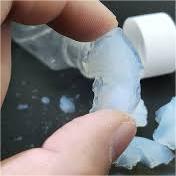
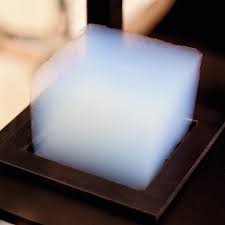
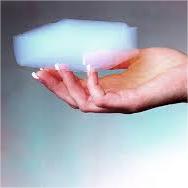
Hydrophilic silica aerogel insulation powder is a special material. It is made mostly of air trapped in a silica structure. This powder looks like fine particles. Its key job is to stop heat moving through it very well. People often call it ‘frozen smoke’ because it looks light and cloudy.
What is hydrophilic silica aerogel powder? It is a type of aerogel. Aerogels are extremely light solids. This powder version uses tiny silica particles. These particles create a network with many pores. Air fills these pores. Air is bad at conducting heat. So the powder stops heat transfer effectively. The ‘hydrophilic’ part means it can get wet. It doesn’t repel water like hydrophobic types.
Where is this powder used? It works well where moisture exists. It fits into building insulation for walls and roofs. It fills cavities in existing structures easily. Manufacturers add it to special plasters and renders. These improve building energy efficiency. It insulates pipes carrying hot liquids. Industrial equipment uses it too. Cryogenic tanks need efficient insulation. This powder provides that.
How does it insulate so well? Its structure is key. Over 90% of its volume is air. Air is a poor conductor of heat. The silica network traps air molecules. This stops heat moving via conduction. The paths for heat to travel are very long and twisted. Radiation heat transfer is reduced too. The powder scatters infrared radiation effectively. This combination gives excellent thermal resistance.
Why choose hydrophilic over hydrophobic? Hydrophobic aerogels repel water. Hydrophilic types absorb some moisture. This is useful in certain climates or applications. Moisture might condense inside walls. Hydrophilic powder handles this better sometimes. It doesn’t lose its insulating power as much when damp. Consider your specific project needs. Think about the local humidity levels. Hydrophilic offers a practical solution for mixed conditions.
How do you apply this powder? It is a loose-fill material. Workers pour or blow it into spaces needing insulation. It fills irregular shapes and gaps thoroughly. It settles into place well. Professionals often install it. They use special blowing machines. This ensures even distribution and density. Proper installation maximizes its insulating performance. Follow the manufacturer’s guidelines closely.