Professional solutions on concrete addtives, Concrete Foaming Agent, Superplasticizer, CLC Blocks Additives, and foaming machine

Hydrophobic Silica Aerogel Granules for Advanced Thermal Insulation Coating in Building Construction
PRODUCT PARAMETERS
Description
Overview of Hydrophobic Silica Aerogel Granules for Advanced Thermal Insulation Coating in Building Construction
Hydrophobic Silica Aerogel Granules for Advanced Thermal Insulation Coating in Building Construction can meet the most demanding thermal insulation challenges across various industries. Our portfolio includes aerogel powder, aerogel thermal insulation coating, and aerogel insulation felts in various specifications, each engineered for superior performance.
Characteristics of Hydrophobic Silica Aerogel Granules for Advanced Thermal Insulation Coating in Building Construction
Aerogel Powder is the fundamental form of this revolutionary material, characterized by its extremely low density and high surface area. It serves as a critical additive for enhancing thermal properties in composites, plastics, coatings, and functional materials, bringing nano-scale insulation power to your formulations.
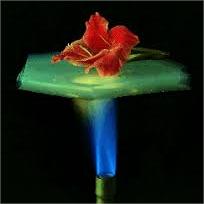
The Aerogel Thermal Insulation Coating integrates our proprietary powder into a robust, easy-to-apply solution. This coating provides exceptional thermal resistance, weatherproofing, and corrosion protection for pipes, tanks, and industrial structures. It is ideal for complex geometries where traditional insulation is impractical, sealing heat loss effectively.
Our Aerogel Insulation Felts are flexible, durable blankets available in various thicknesses, densities, and dimensions to suit diverse applications. Combining the phenomenal insulating power of aerogel with a practical, roll-out format, they are perfect for high-temperature industrial piping, HVAC systems, building envelopes, and more. They offer maximum thermal efficiency with minimal space requirements.

Specification of Hydrophobic Silica Aerogel Granules for Advanced Thermal Insulation Coating in Building Construction
Hydrophobic silica aerogel granules are special particles for thermal insulation coatings. These granules are tiny and light. They have a lot of air inside their structure. This trapped air makes them very good at stopping heat flow. They are made hydrophobic. This means they repel water effectively. Water cannot easily get inside them.
These granules are perfect for adding to thermal insulation coatings used in building construction. Mixing them into paints or coatings boosts the insulation power. The coating becomes much better at keeping heat in or out. Buildings stay warmer in winter. Buildings stay cooler in summer. This saves energy. It lowers heating and cooling costs.
The hydrophobic property is very important. It keeps the granules working well even in damp conditions. Moisture does not ruin their insulation ability. The coating stays effective longer. It resists damage from rain or humidity. This leads to durable insulation solutions. The coating lasts longer on walls or roofs.
Applying these coatings is straightforward. Workers can spray, roll, or brush them onto surfaces. The granules blend smoothly into the coating mix. They do not clump together. They spread evenly. This creates a uniform insulation layer. The finish looks good and works well.
Builders use these advanced coatings on many parts of a building. They insulate exterior walls. They insulate interior walls. They insulate roofs. They insulate pipes. The granules improve the thermal performance significantly. They help meet strict energy saving rules. They make buildings more comfortable places to live and work. They also help protect the environment by using less energy.
Applications of Hydrophobic Silica Aerogel Granules for Advanced Thermal Insulation Coating in Building Construction
Hydrophobic silica aerogel granules are a special material. They offer excellent thermal insulation. This makes them perfect for advanced coatings used in building construction. These granules have very low thermal conductivity. Heat struggles to pass through them. This property is key to their effectiveness. They are also hydrophobic. Water does not absorb into them. This keeps the insulation dry. Moisture doesn’t ruin their performance. The granules are very lightweight. They don’t add much weight to structures. This is a big advantage. Builders appreciate this feature. Durability is another plus. These granules are tough. They resist compression and wear well. Their structure stays intact over time. This ensures long-lasting insulation.
Adding these granules to thermal insulation coatings boosts performance significantly. The coating becomes much better at stopping heat transfer. This leads to real energy savings. Buildings stay warmer in winter. Buildings stay cooler in summer. Heating and cooling costs go down. The hydrophobic nature protects the coating. Rain and dampness do not harm it. The insulation stays effective. This is crucial for building longevity. The lightweight granules are easy to mix into coatings. Application stays simple. Workers can apply it like regular paint or spray. No special tools are needed. This saves time and effort on the job site.
These advanced coatings work well on many surfaces. They are great for insulating exterior walls. Interior walls benefit too. Roofs and attics are common application areas. Insulating these areas prevents heat loss upwards. Pipes and ductwork inside buildings also need insulation. These coatings provide a good solution. They create a seamless thermal barrier. This barrier stops thermal bridges. Cold spots are reduced. Comfort improves throughout the building. The thin layer of coating offers high performance. It saves space compared to bulky insulation materials. This is useful where space is limited. The coating also acts as a protective layer. It shields the underlying structure from weather damage.
Company Profile
We are the global leader in lightweight concrete and advanced engineered foam solutions. Known globally for its commitment to research, innovation, and applied expertise, we have been providing engineered foam solutions since the early 2012’s.
We can supply high-quality concrete admixture and foam concrete related products all over the world.
The company has a professional technical department and quality supervision department, a well-equipped laboratory, and equipped with advanced testing equipment and after-sales customer service center.
If you are interested, please feel free and contact us.
Payment
T/T, Western Union, Paypal, Credit Card etc.
Shipment
By air, by sea, by express, as customers request.
5 FAQs of Hydrophobic Silica Aerogel Granules for Advanced Thermal Insulation Coating in Building Construction
What are hydrophobic silica aerogel granules?
These granules are tiny particles made mostly of air trapped in a silica network. Their structure blocks heat transfer extremely well. They are treated to repel water. Adding them to coatings boosts thermal insulation performance significantly. This keeps buildings cooler in summer and warmer in winter.
Why is the hydrophobic property important for these granules?
Moisture ruins regular aerogel’s insulation power. Water gets inside and conducts heat. Hydrophobic granules refuse water. They stay dry even in damp conditions. This keeps their insulation ability strong over time. It is vital for long-lasting building insulation.
How do the granules improve thermal insulation in coatings?
The granules create millions of tiny air pockets within the coating. Air is a poor heat conductor. This structure massively reduces heat flow through walls or roofs. Even a thin layer of coating with these granules provides powerful insulation. It cuts energy use for heating and cooling.
Are hydrophobic silica aerogel granules safe for building use?
Yes, they are safe. The granules are non-toxic and inert. They do not release harmful gases or particles. Builders handle them safely using normal precautions. The treated silica is stable. It does not break down easily inside the coating material.
How are these granules applied in construction coatings?
Workers mix the granules into liquid coating bases like paints or plasters. They blend thoroughly before application. The mixture is then applied onto walls, roofs, or other surfaces using standard tools. It forms a seamless, insulating layer once it dries. Proper mixing ensures the granules spread evenly.