Professional solutions on concrete addtives, Concrete Foaming Agent, Superplasticizer, CLC Blocks Additives, and foaming machine

Popular Construction Building Systems Insulated Exterior Wall Insulation Material Aerogel
PRODUCT PARAMETERS
Description
Overview of Popular Construction Building Systems Insulated Exterior Wall Insulation Material Aerogel
Popular Construction Building Systems Insulated Exterior Wall Insulation Material Aerogel can meet the most demanding thermal insulation challenges across various industries. Our portfolio includes aerogel powder, aerogel thermal insulation coating, and aerogel insulation felts in various specifications, each engineered for superior performance.
Characteristics of Popular Construction Building Systems Insulated Exterior Wall Insulation Material Aerogel
Aerogel Powder is the fundamental form of this revolutionary material, characterized by its extremely low density and high surface area. It serves as a critical additive for enhancing thermal properties in composites, plastics, coatings, and functional materials, bringing nano-scale insulation power to your formulations.
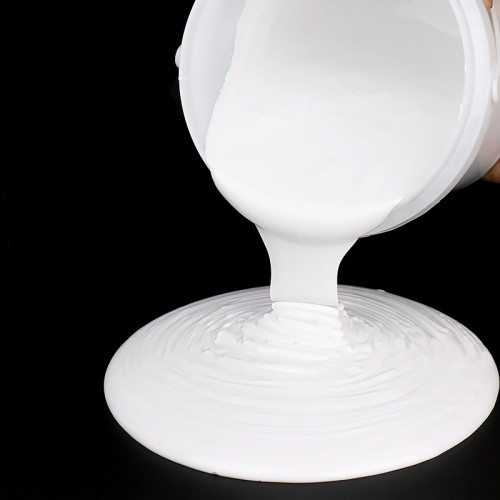
The Aerogel Thermal Insulation Coating integrates our proprietary powder into a robust, easy-to-apply solution. This coating provides exceptional thermal resistance, weatherproofing, and corrosion protection for pipes, tanks, and industrial structures. It is ideal for complex geometries where traditional insulation is impractical, sealing heat loss effectively.
Our Aerogel Insulation Felts are flexible, durable blankets available in various thicknesses, densities, and dimensions to suit diverse applications. Combining the phenomenal insulating power of aerogel with a practical, roll-out format, they are perfect for high-temperature industrial piping, HVAC systems, building envelopes, and more. They offer maximum thermal efficiency with minimal space requirements.

Specification of Popular Construction Building Systems Insulated Exterior Wall Insulation Material Aerogel
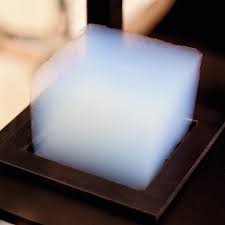
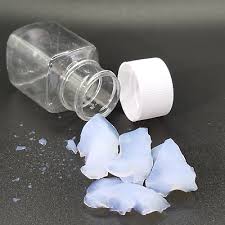
Aerogel is a special material used for shielding structure walls. It is made mostly of air. This trapped air offers it great shielding power. Aerogel is very light. It seems like a dry sponge. The product is mainly silica. Silica originates from sand. Scientists create aerogel utilizing a special process. This process replaces fluid in a gel with air. The result is a strong structure full of tiny pores. These small pores block warm transfer extremely well.
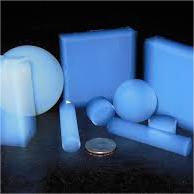
Aerogel insulation panels are really thin. They fit quickly into wall systems. This thinness saves space. Builders can use them without making wall surfaces thicker. The material works great in tight spots. It performs far better than older insulation kinds. Aerogel maintains heat inside during winter season. It keeps warm out throughout summer. This reduces power expenses. Residences and buildings stay comfy year-round. The material likewise aids prevent condensation. Condensation causes mold and rot problems.
Builders set up aerogel panels on the exterior side of wall surfaces. They position it under the outer cladding product. Common claddings consist of brick, stone, or home siding. The panels create a constant thermal obstacle. This obstacle quits chilly areas and drafts. Aerogel collaborates with various wall surface building and constructions. It suits both brand-new structures and remodellings. Specialists discover it simple to manage. The panels are solid sufficient for job site conditions.
Aerogel offers high insulation value in minimal density. This is its main advantage. It outperforms typical foam or fiber insulation. Less worldly attains the very same outcome. Building and construction stays reliable. Architects appreciate the layout adaptability. They can develop slimmer wall surface accounts. Property owners get better power performance. They also acquire more usable inside area. The material contributes to lasting building methods. It helps reduced the carbon impact of structures. Aerogel insulation is a wise option for modern-day building and construction. It meets the need for high performance insulation.
Applications of Popular Construction Building Systems Insulated Exterior Wall Insulation Material Aerogel
Aerogel insulation is a special material for buildings. It works excellent in exterior wall surface systems. This material traps warm effectively. It keeps structures cozy in winter months and cool in summer. Builders like it because it functions so successfully. Aerogel is mainly air. That makes it really lightweight. Although it is light, it protects wonderfully. Its slim account is a huge benefit. Contractors can include it without shedding excessive area inside or outside. Thinner walls indicate even more usable room. This product suits lots of wall surface styles. It deals with brand-new structures and taking care of old ones. People utilize it behind exterior siding or under stucco. Occasionally it goes inside wall surface dental caries. It sticks well to various surfaces. Aerogel deals with moisture well. It doesn’t absorb water conveniently. This helps protect against mold and rot problems. Fire safety and security is another benefit. Aerogel doesn’t ignite conveniently. This includes additional protection to the building. The product lasts a long time. It doesn’t damage down or lose its insulating power over the years. Using aerogel saves power. Buildings require much less cooling and heating. This lowers power bills for proprietors. It also decreases the building’s ecological impact. Contractors mount it in sheets or as loosened fill. The installment process is generally straightforward. Aerogel helps builders satisfy stringent energy policies. It enables high efficiency without thick walls. This is useful in tight spaces.
Company Profile
We are the global leader in lightweight concrete and advanced engineered foam solutions. Known globally for its commitment to research, innovation, and applied expertise, we have been providing engineered foam solutions since the early 2012’s.
We can supply high-quality concrete admixture and foam concrete related products all over the world.
The company has a professional technical department and quality supervision department, a well-equipped laboratory, and equipped with advanced testing equipment and after-sales customer service center.
If you are interested, please feel free and contact us.
Payment
T/T, Western Union, Paypal, Credit Card etc.
Shipment
By air, by sea, by express, as customers request.
5 FAQs of Popular Construction Building Systems Insulated Exterior Wall Insulation Material Aerogel
Here are answers to common questions about Aerogel insulation for exterior walls:
What does Aerogel insulation actually do? Aerogel insulation stops heat from escaping through your building’s exterior walls. This keeps indoor temperatures more stable. You save energy on heating and cooling costs year-round. It acts as a powerful thermal barrier.
How thick is Aerogel insulation compared to other types? Aerogel insulation is remarkably thin. It offers high performance in minimal space. You might only need an inch of Aerogel instead of several inches of traditional foam or fiberglass. This saves valuable interior or exterior space on your project.
Is Aerogel insulation better than regular foam boards? Aerogel performs exceptionally well thermally. It provides significantly higher insulation value per inch than common foam boards like EPS or XPS. This means thinner walls achieve the same energy efficiency. Aerogel also resists moisture better than many foams.
Will Aerogel insulation last a long time? Yes, Aerogel insulation is very durable. It’s hydrophobic, meaning it repels water. This prevents mold growth and maintains its insulating power over time. The material resists compression too, so it won’t sag or lose effectiveness within the wall assembly.
Why is Aerogel insulation more expensive? The advanced manufacturing process makes Aerogel cost more upfront. However, its superior performance means you use less material to meet building codes. The long lifespan and energy savings often offset the initial investment over the building’s lifetime. Consider the total cost benefits.