Professional solutions on concrete addtives, Concrete Foaming Agent, Superplasticizer, CLC Blocks Additives, and foaming machine

Chemical PVA Fiber for Concrete Cement Additive PP fibers
PRODUCT PARAMETERS
Description
Overview of Chemical PVA Fiber for Concrete Cement Additive PP fibers
Chemical PVA Fiber for Concrete Cement Additive PP fibers is chemical compounds added to concrete mixtures to improve various properties of the material, such as workability, strength, durability, and curing time. These additives include plasticizers, retarders, accelerators, waterproofing agents, and air-entraining agents, each designed to meet specific needs in concrete production. Concrete additives are commonly used in both commercial and residential construction, as well as in the production of precast and ready-mix concrete. By enhancing the performance and quality of concrete, these additives help improve the overall efficiency of construction projects while ensuring the durability and longevity of the finished structure. They are easy to incorporate into the mix and provide cost-effective solutions for optimizing concrete properties in a wide range of applications.
Characteristics of Chemical PVA Fiber for Concrete Cement Additive PP fibers
Enhanced Strength: Concrete additives can significantly increase the compressive strength of concrete, making it more resilient to pressure and stress. This ensures the longevity and durability of structures, reducing the likelihood of cracking or failure.
Improved Workability: Additives such as plasticizers and superplasticizers improve the flowability and consistency of concrete, making it easier to handle, pour, and finish. This enhances productivity on the construction site and reduces labor costs.
Faster Curing: Accelerators, a type of concrete additive, help speed up the curing process, allowing for quicker setting times and faster completion of projects. This is especially useful in cold weather or when fast-tracking construction timelines.
Increased Durability: Many additives, like water-reducing agents and waterproofing compounds, increase the resistance of concrete to harsh environmental conditions such as freeze-thaw cycles, water ingress, and chemical exposure, ensuring long-term performance.
Better Adhesion and Bonding: Certain additives improve the bonding between the concrete and other materials, such as reinforcing steel or aggregates, enhancing the overall structural integrity and reducing the chances of delamination or separation.
Versatility for Various Applications: Concrete additives are highly versatile and can be used in a wide range of applications, from residential buildings to large-scale infrastructure projects. They are formulated to meet specific needs such as high-strength concrete, self-compacting concrete, or durable concrete for extreme conditions.
Cost-Efficient: By improving the quality and performance of concrete, additives reduce the need for additional maintenance and repairs, leading to significant cost savings in the long term. Additionally, they help optimize the mix design, reducing material waste.
Environmentally Friendly: Many modern concrete additives are formulated with eco-friendly ingredients, contributing to more sustainable construction practices. These additives help minimize the carbon footprint and improve the environmental performance of the concrete.
Enhanced Surface Finish: Additives like air-entraining agents can improve the finish and appearance of concrete by preventing defects like cracking, honeycombing, or surface dusting, ensuring a smooth, professional-grade surface.

Specification of Chemical PVA Fiber for Concrete Cement Additive PP fibers
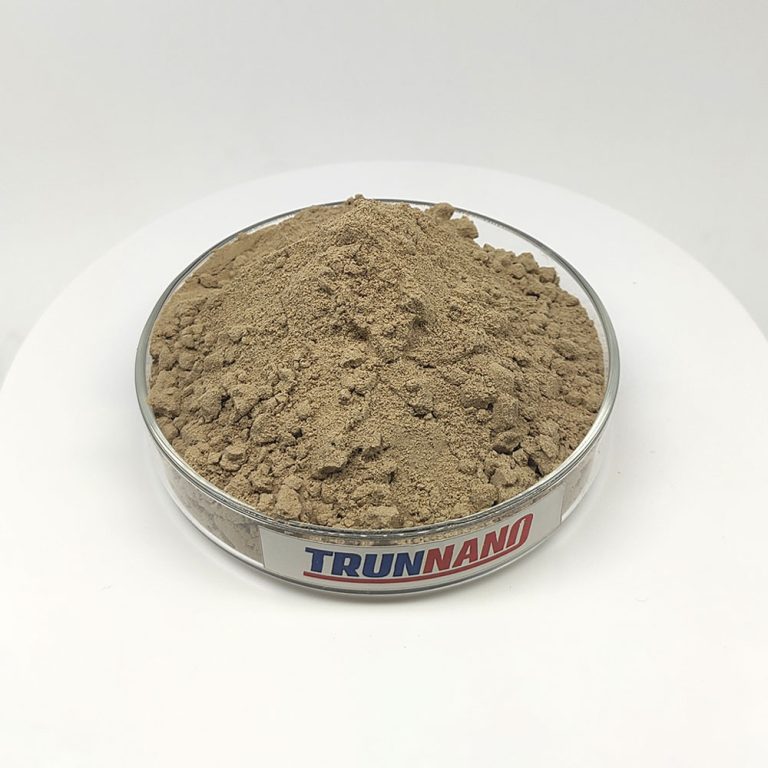
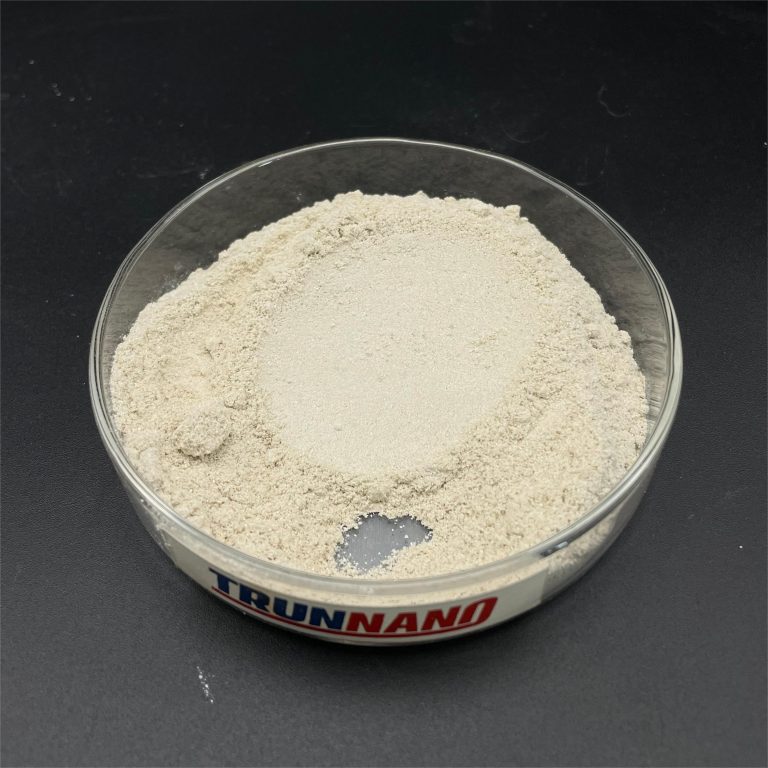
PVA fiber is an artificial fiber developed especially for adding to concrete and concrete blends. It aids make concrete more powerful and much more sturdy. This fiber is made from polyvinyl alcohol. PVA is an unique plastic known for being tough and bonding well with concrete.
The fiber is very thin. Its diameter is measured in micrometers. Typical dimensions range in between 20 to 40 micrometers. Sizes are typically between 6 to 12 millimeters. This small size allows it spread evenly throughout the concrete mix. It produces tiny reinforcement inside the solidified concrete.
PVA fiber stands out at boosting concrete’s resistance to cracking. It holds the material together also after cracks start to form. This substantially minimizes split widths. It boosts effect resistance too. Concrete pieces enhanced with PVA fiber can take care of even more abuse without breaking. This fiber also reduces the quantity of water bleeding out of fresh concrete. This leads to a far better surface area coating.
Unlike a few other fibers like polypropylene (PP) fibers, PVA bonds chemically with the concrete paste. This solid bond is essential. It permits the fiber to successfully move tension across little fractures. It stops them from expanding large. PVA fiber is additionally immune to the very alkaline environment inside concrete. It won’t deteriorate gradually like some other products might. It gives long-lasting reinforcement.
Utilizing PVA fiber is simple. It gets added directly to the concrete mixer in addition to the various other ingredients. It disperses conveniently. No unique devices is required. The fibers mix in uniformly. They come to be an indispensable component of the concrete matrix. They start working right away as the concrete sets. They proceed providing benefits throughout the healing procedure and the concrete’s life span.
Applications of Chemical PVA Fiber for Concrete Cement Additive PP fibers
Concrete cracks easily when it dries out. PVA fibers assist stop this. These fibers are really solid. They bond well with the concrete paste. This bond holds the concrete with each other as it shrinks. Early cracks obtain smaller. Less cracks suggest much better concrete.
PVA fibers make concrete tougher. The concrete can take even more hits without breaking. It resists effects better. This benefits floors and pavements. Autos drive over these surfaces usually. PVA fibers assist the concrete last longer under heavy usage.
Water and chemicals can damage concrete. PVA fibers lower leaks in the structure. Less water and harmful things enters the concrete. This protects the steel reinforcement inside. Corrosion on the steel weakens the structure. PVA fibers help stop this corrosion.
Concrete faces challenging weather. Cold and thawing cycles trigger issues. PVA fibers improve freeze-thaw resistance. The concrete manages temperature level modifications better. It likewise stands up to abrasion more effectively. Surface areas like commercial floorings require this defense.
PP fibers are one more usual type. They are cheaper. PP fibers regulate plastic shrinkage splits well. However their bond with cement is weak. PVA fibers provide exceptional bonding toughness. This leads to better long-term performance. PVA fibers manage greater anxiety degrees. They are frequently selected for demanding tasks.
Company Profile
We are the global leader in lightweight concrete and advanced engineered foam solutions. Known globally for its commitment to research, innovation, and applied expertise, we have been providing engineered foam solutions since the early 2012’s.
We can supply high-quality concrete admixture and foam concrete related products all over the world.
The company has a professional technical department and quality supervision department, a well-equipped laboratory, and equipped with advanced testing equipment and after-sales customer service center.
If you are interested, please feel free and contact us.
Payment
T/T, Western Union, Paypal, Credit Card etc.
Shipment
By air, by sea, by express, as customers request.
5 FAQs of Chemical PVA Fiber for Concrete Cement Additive PP fibers
What is PVA fiber?
PVA fiber is a special synthetic fiber. It is made from polyvinyl alcohol. This fiber is designed for mixing into concrete. It helps make concrete stronger and last longer.
Why use PVA fiber in concrete?
PVA fiber makes concrete much tougher. It stops cracks from forming. This is especially good for thin concrete sections or floors. It also helps concrete resist wear and tear over time. The fiber holds the concrete together better.
How do you mix PVA fiber into concrete?
Mixing PVA fiber is simple. Add the fibers during the normal concrete batching process. They mix in easily with the cement, sand, and gravel. The fibers spread out well. They won’t clump together.
How is PVA fiber different from PP fiber?
Both fibers strengthen concrete. PVA fiber bonds better with the cement paste. This creates a stronger connection. PVA fiber is also tougher. It handles alkaline conditions in concrete well. PP fiber is cheaper but might not bond as strongly. PP fiber can be good for basic crack control. PVA offers higher performance.
What size PVA fiber is best?
Different sizes exist. Shorter fibers (like 6mm or 12mm) are common. They mix easily and spread well. They are good for preventing plastic shrinkage cracks. Longer fibers (like 30mm) are used too. They provide more reinforcement against cracking after the concrete hardens. The right size depends on the project needs.