Professional solutions on concrete addtives, Concrete Foaming Agent, Superplasticizer, CLC Blocks Additives, and foaming machine

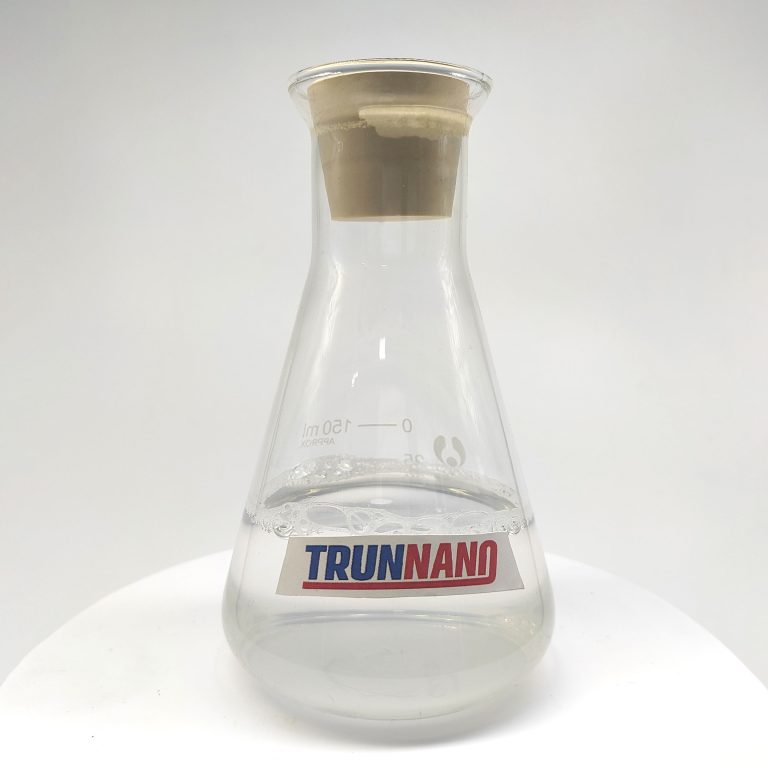
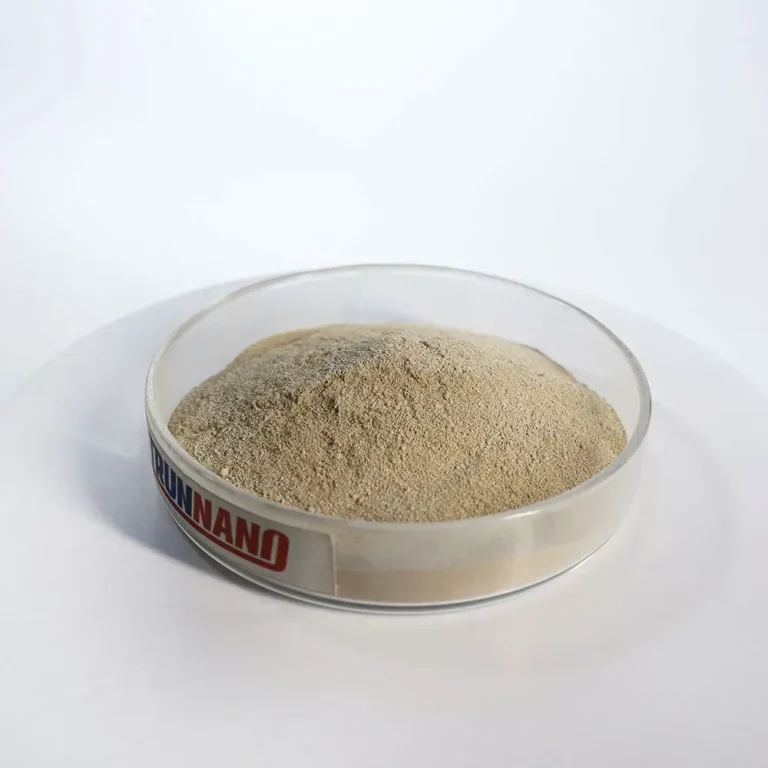
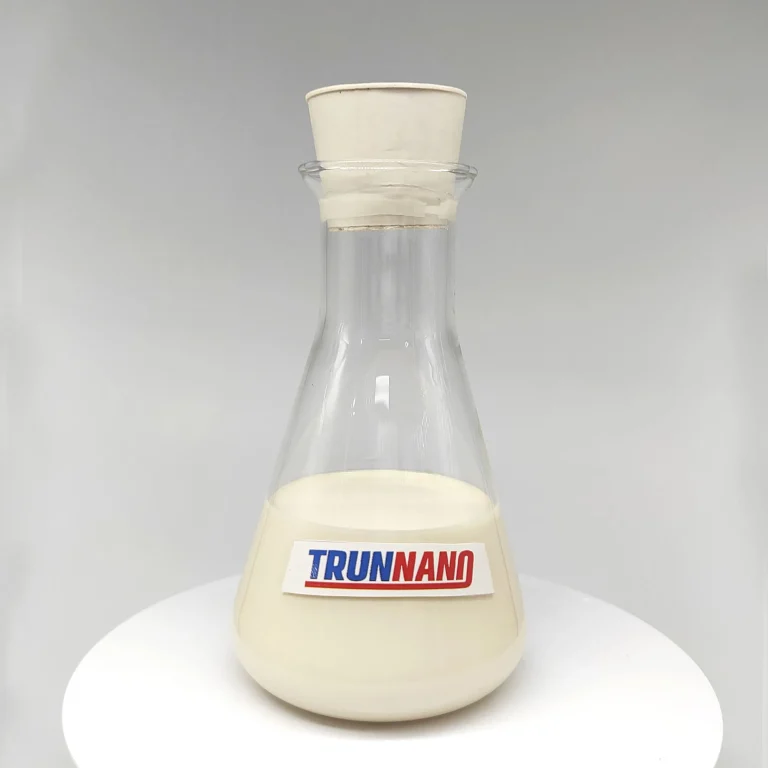
Industrial Grade Concrete Admixtures Mortar Cement Air Entraining Agent
PRODUCT PARAMETERS
Description
Overview of Industrial Grade Concrete Admixtures Mortar Cement Air Entraining Agent
Industrial Grade Concrete Admixtures Mortar Cement Air Entraining Agent is chemical compounds added to concrete mixtures to improve various properties of the material, such as workability, strength, durability, and curing time. These additives include plasticizers, retarders, accelerators, waterproofing agents, and air-entraining agents, each designed to meet specific needs in concrete production. Concrete additives are commonly used in both commercial and residential construction, as well as in the production of precast and ready-mix concrete. By enhancing the performance and quality of concrete, these additives help improve the overall efficiency of construction projects while ensuring the durability and longevity of the finished structure. They are easy to incorporate into the mix and provide cost-effective solutions for optimizing concrete properties in a wide range of applications.
Characteristics of Industrial Grade Concrete Admixtures Mortar Cement Air Entraining Agent
Enhanced Strength: Concrete additives can significantly increase the compressive strength of concrete, making it more resilient to pressure and stress. This ensures the longevity and durability of structures, reducing the likelihood of cracking or failure.
Improved Workability: Additives such as plasticizers and superplasticizers improve the flowability and consistency of concrete, making it easier to handle, pour, and finish. This enhances productivity on the construction site and reduces labor costs.
Faster Curing: Accelerators, a type of concrete additive, help speed up the curing process, allowing for quicker setting times and faster completion of projects. This is especially useful in cold weather or when fast-tracking construction timelines.
Increased Durability: Many additives, like water-reducing agents and waterproofing compounds, increase the resistance of concrete to harsh environmental conditions such as freeze-thaw cycles, water ingress, and chemical exposure, ensuring long-term performance.
Better Adhesion and Bonding: Certain additives improve the bonding between the concrete and other materials, such as reinforcing steel or aggregates, enhancing the overall structural integrity and reducing the chances of delamination or separation.
Versatility for Various Applications: Concrete additives are highly versatile and can be used in a wide range of applications, from residential buildings to large-scale infrastructure projects. They are formulated to meet specific needs such as high-strength concrete, self-compacting concrete, or durable concrete for extreme conditions.
Cost-Efficient: By improving the quality and performance of concrete, additives reduce the need for additional maintenance and repairs, leading to significant cost savings in the long term. Additionally, they help optimize the mix design, reducing material waste.
Environmentally Friendly: Many modern concrete additives are formulated with eco-friendly ingredients, contributing to more sustainable construction practices. These additives help minimize the carbon footprint and improve the environmental performance of the concrete.
Enhanced Surface Finish: Additives like air-entraining agents can improve the finish and appearance of concrete by preventing defects like cracking, honeycombing, or surface dusting, ensuring a smooth, professional-grade surface.

Specification of Industrial Grade Concrete Admixtures Mortar Cement Air Entraining Agent
Industrial quality mortar cement air entraining agents are important additives for contemporary concrete job. They enhance concrete’s ability to stand up to difficult problems. These representatives develop small air bubbles inside the concrete mix. This process happens while the concrete is still damp. The bubbles are really small and spread out equally. They are not big holes you can see. The bubbles offer the concrete extra toughness versus freezing and thawing cycles. Water broadens when it freezes. This expansion can split concrete from the within. The air bubbles give that broadening water an area to go. They imitate little cushions. This shields the concrete structure. It quits splits and surface damage called scaling.
These representatives additionally make the concrete mix simpler to work with. The tiny bubbles act like a lubricant inside the mix. This makes the concrete more fluid. It moves much better into types and around reinforcement bars. Employees discover it smoother to position and complete. You require much less water to obtain excellent workability. Using less water in fact makes the concrete more powerful in the end. High water content damages concrete. Air entrainment aids accomplish the right consistency without extra water. The concrete stays sturdy. It doesn’t deteriorate.
Building contractors use these admixtures in projects subjected to extreme weather. Bridges, highways, vehicle parking decks, and walkways require this security. Marine frameworks near saltwater likewise profit substantially. The agents help concrete last much longer in these atmospheres. They resist damage from deicing salts utilized on roads. The salts can gnaw at concrete surface areas. Air-entrained concrete handles this better. It calls for much less repair in time. That saves money. Picking the ideal commercial quality air entraining representative is very important. The dose has to match the details concrete kind and mix style. Excessive or insufficient air can trigger issues. Proper testing makes sure the best results.
Applications of Industrial Grade Concrete Admixtures Mortar Cement Air Entraining Agent
Industrial grade concrete admixtures are important ingredients contributed to concrete mixes. They substantially boost the performance of concrete in difficult construction atmospheres. Contractors depend on them to attain particular outcomes that plain concrete can not. These ingredients solve typical issues run into throughout mixing, placing, and curing concrete.
Mortar cement admixtures are particularly vital. They enhance the workability of cement-based blends. This suggests the mortar is simpler to spread out and trowel smoothly. It sticks better to blocks or blocks. This boosts the high quality of stonework job. Workers can apply it much faster and much more uniformly. It decreases waste because much less material falls off during application. Mortar cement admixtures likewise assist the mortar bond highly. This creates resilient walls and structures.
Air-entraining agents are another important sort of admixture. They produce tiny air bubbles within the concrete mix. These bubbles are critical for concrete revealed to freezing and thawing cycles. The bubbles provide water inside the concrete area to expand when it ices up. This prevents the concrete from cracking and scaling. Air-entraining agents substantially enhance concrete’s resistance to freeze-thaw damage. This makes pavements, bridges, and outside frameworks last much longer. It additionally boosts the workability of the concrete somewhat.
Various other common admixtures consist of water reducers. They allow much less water to be utilized while maintaining the concrete simple to area. This causes stronger, extra resilient concrete. Accelerators quicken the setting process. This is useful in cold weather or when a task needs to proceed rapidly. Retarders do the opposite. They reduce establishing times for heat or long hauls. Each admixture addresses a certain building difficulty. Utilizing the right admixture makes sure the concrete executes well under its intended conditions. This results in stronger structures, longer-lasting roadways, and a lot more reliable construction jobs.
Company Profile
We are the global leader in lightweight concrete and advanced engineered foam solutions. Known globally for its commitment to research, innovation, and applied expertise, we have been providing engineered foam solutions since the early 2012’s.
We can supply high-quality concrete admixture and foam concrete related products all over the world.
The company has a professional technical department and quality supervision department, a well-equipped laboratory, and equipped with advanced testing equipment and after-sales customer service center.
If you are interested, please feel free and contact us.
Payment
T/T, Western Union, Paypal, Credit Card etc.
Shipment
By air, by sea, by express, as customers request.
5 FAQs of Industrial Grade Concrete Admixtures Mortar Cement Air Entraining Agent
What is an air-entraining agent for concrete?
This chemical additive creates tiny air bubbles inside concrete. These bubbles act like pressure release valves. Water expands when it freezes. The bubbles give this expanding water a place to go. This prevents cracking and surface damage. It makes concrete last longer in cold weather.
Why use an air-entraining agent?
It protects concrete from freeze-thaw damage. This damage happens in cold climates. Water inside concrete freezes. It expands. This expansion creates pressure. Without air bubbles, this pressure cracks the concrete. The bubbles absorb this pressure. This keeps the concrete strong over many winters.
How much agent do I add?
Use the amount specified by the manufacturer. Adding too little won’t protect the concrete well. Adding too much can weaken the concrete. The correct amount depends on the concrete mix. It depends on the weather conditions. Always follow the supplier’s instructions. Test the concrete mix first.
Can I use it with other admixtures?
Yes, usually you can. Air-entraining agents often work fine with other additives. These include water reducers or set controllers. Test the combination first. Mix a small batch. Check the air content. Check how the concrete behaves. Some chemicals might not work well together. Testing avoids problems.
Does it make the concrete weaker?
It can slightly reduce strength. The air bubbles take up space. This space could be filled with solid cement paste. The trade-off is worth it for freeze-thaw protection. Properly controlled air content minimizes strength loss. The increased durability is more important in exposed structures.