Professional solutions on concrete addtives, Concrete Foaming Agent, Superplasticizer, CLC Blocks Additives, and foaming machine

Micro silica for Concrete & Mortar Admixtures
PRODUCT PARAMETERS
Description
Overview of Micro silica for Concrete & Mortar Admixtures
Micro silica for Concrete & Mortar Admixtures is chemical compounds added to concrete mixtures to improve various properties of the material, such as workability, strength, durability, and curing time. These additives include plasticizers, retarders, accelerators, waterproofing agents, and air-entraining agents, each designed to meet specific needs in concrete production. Concrete additives are commonly used in both commercial and residential construction, as well as in the production of precast and ready-mix concrete. By enhancing the performance and quality of concrete, these additives help improve the overall efficiency of construction projects while ensuring the durability and longevity of the finished structure. They are easy to incorporate into the mix and provide cost-effective solutions for optimizing concrete properties in a wide range of applications.
Characteristics of Micro silica for Concrete & Mortar Admixtures
Enhanced Strength: Concrete additives can significantly increase the compressive strength of concrete, making it more resilient to pressure and stress. This ensures the longevity and durability of structures, reducing the likelihood of cracking or failure.
Improved Workability: Additives such as plasticizers and superplasticizers improve the flowability and consistency of concrete, making it easier to handle, pour, and finish. This enhances productivity on the construction site and reduces labor costs.
Faster Curing: Accelerators, a type of concrete additive, help speed up the curing process, allowing for quicker setting times and faster completion of projects. This is especially useful in cold weather or when fast-tracking construction timelines.
Increased Durability: Many additives, like water-reducing agents and waterproofing compounds, increase the resistance of concrete to harsh environmental conditions such as freeze-thaw cycles, water ingress, and chemical exposure, ensuring long-term performance.
Better Adhesion and Bonding: Certain additives improve the bonding between the concrete and other materials, such as reinforcing steel or aggregates, enhancing the overall structural integrity and reducing the chances of delamination or separation.
Versatility for Various Applications: Concrete additives are highly versatile and can be used in a wide range of applications, from residential buildings to large-scale infrastructure projects. They are formulated to meet specific needs such as high-strength concrete, self-compacting concrete, or durable concrete for extreme conditions.
Cost-Efficient: By improving the quality and performance of concrete, additives reduce the need for additional maintenance and repairs, leading to significant cost savings in the long term. Additionally, they help optimize the mix design, reducing material waste.
Environmentally Friendly: Many modern concrete additives are formulated with eco-friendly ingredients, contributing to more sustainable construction practices. These additives help minimize the carbon footprint and improve the environmental performance of the concrete.
Enhanced Surface Finish: Additives like air-entraining agents can improve the finish and appearance of concrete by preventing defects like cracking, honeycombing, or surface dusting, ensuring a smooth, professional-grade surface.

Specification of Micro silica for Concrete & Mortar Admixtures
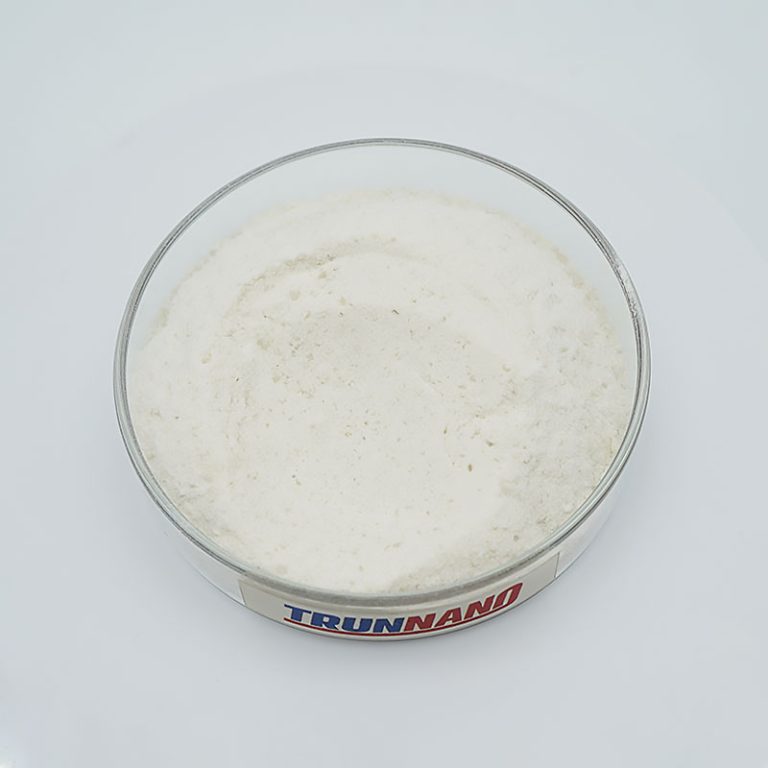
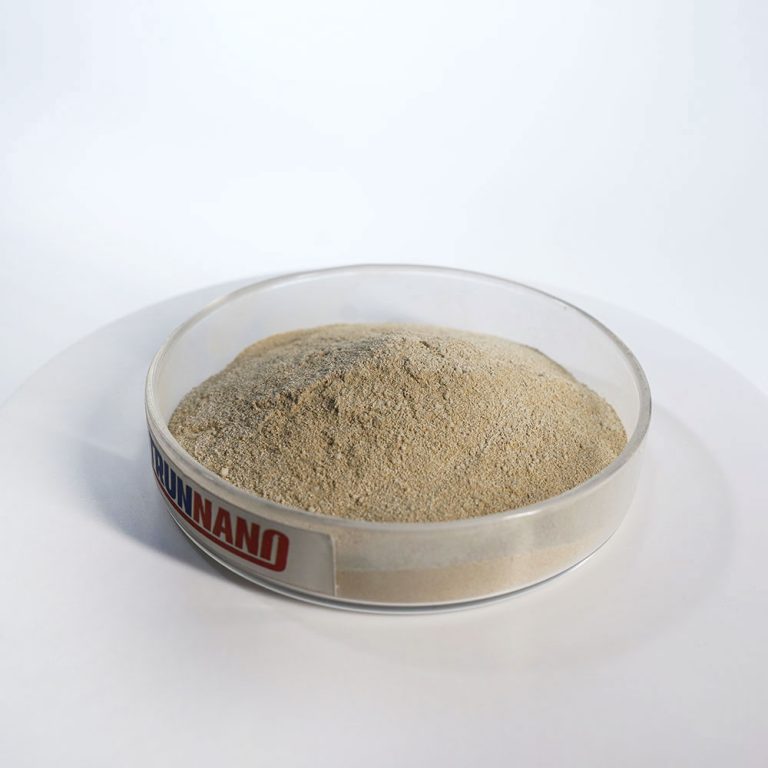
Micro silica is a very fine powder. Individuals call it silica fume often. It comes from making silicon steel or ferro-silicon alloys. This powder has really little particles. The fragments are a lot smaller sized than cement fragments. Including micro silica to concrete blends modifications the concrete. It makes the concrete much better.
The main part of micro silica is silicon dioxide. Good mini silica has over 85% silicon dioxide. It needs to have low quantities of other points. Things like carbon and antacid ought to be reduced. Low carbon aids with air bubbles in concrete. Reduced alkali helps avoid issues with some accumulations. The powder is really fine. Its particular area is large, commonly in between 15,000 and 30,000 square meters per kilo. This excellence makes it react well.
Micro silica particles fill the little rooms in concrete. They fit in between cement grains. This makes the concrete denser. Denser concrete is stronger and lasts longer. It likewise quits water from moving through the concrete quickly. The concrete ends up being much less porous. Micro silica reacts with the calcium hydroxide from concrete hydration. This response makes much more solid silicate gel. This gel bonds whatever together snugly. The concrete obtains a lot stronger. It comes to be a lot more durable against chemicals and wear.
Utilizing mini silica calls for cautious blending. It needs more water to move properly. Individuals commonly make use of superplasticizers with it. Superplasticizers assist the concrete stay convenient. The concrete could establish much faster with micro silica. Individuals require to prepare for that. They need to end up putting it quickly. Appropriate treating is really crucial. Good curing makes sure the concrete develops its best strength and toughness. Micro silica boosts bond strength with steel reinforcement. It additionally reduces efflorescence. Efflorescence is the white powder in some cases seen on concrete surfaces.
Applications of Micro silica for Concrete & Mortar Admixtures
Microsilica is a very great powder. It originates from making silicon metal. People add it to concrete and mortar. It makes these materials far better. Microsilica bits are exceptionally small. They are much smaller sized than cement grains. They load the tiny spaces between cement particles. This makes the mix much denser. The outcome is more powerful concrete.
It responds with the concrete. This reaction creates additional strong bonds. These bonds hold the concrete with each other snugly. So, the concrete obtains much harder. It withstands crushing pressures far better. Concrete with microsilica is really hard. It lasts longer under hefty use.
Microsilica also blocks water better. It significantly reduces just how very easy water travels through the concrete. This is called leaks in the structure. Reduced permeability is vital. It quits water and damaging chemicals from getting in. This safeguards the steel bars inside concrete. Steel bars can rust if water and air reach them. Microsilica helps avoid this rusting. The structure stays risk-free for many more years.
It improves the concrete’s surface. The surface comes to be smoother and harder. It stands up to wear from weather condition and chemicals better. This is essential for roadways, bridges, and buildings near the sea. Manufacturing facilities use it as well. Their floorings deal with rough chemicals.
Microsilica makes mortar much better also. Mortar holds bricks or blocks with each other. Adding microsilica makes the mortar stickier. It bonds more highly to blocks and blocks. The joints in between them end up being tougher. The whole wall surface is more strong. It likewise makes mortar less porous. Water does not leak via the joints as easily. Walls stay drier and last longer.
Company Profile
We are the global leader in lightweight concrete and advanced engineered foam solutions. Known globally for its commitment to research, innovation, and applied expertise, we have been providing engineered foam solutions since the early 2012’s.
We can supply high-quality concrete admixture and foam concrete related products all over the world.
The company has a professional technical department and quality supervision department, a well-equipped laboratory, and equipped with advanced testing equipment and after-sales customer service center.
If you are interested, please feel free and contact us.
Payment
T/T, Western Union, Paypal, Credit Card etc.
Shipment
By air, by sea, by express, as customers request.
5 FAQs of Micro silica for Concrete & Mortar Admixtures
What is micro silica?
Micro silica is a very fine powder. It is made from silicon dioxide. You get it as a by-product when making silicon or ferrosilicon alloys. It looks like smoke dust. People often call it silica fume. Its particles are much smaller than cement particles.
Why add micro silica to concrete?
Adding micro silica makes concrete much stronger. It makes concrete much more durable too. Concrete becomes much denser. This stops water and chemicals from getting inside easily. It helps concrete last longer. It fights damage from chemicals like chlorides and sulfates.
How does micro silica work?
Micro silica works through a pozzolanic reaction. It reacts with the calcium hydroxide made when cement hydrates. This reaction forms extra calcium silicate hydrate. Calcium silicate hydrate is the main stuff that gives concrete its strength. So, adding micro silica gives you more of this strong binder.
What are the big advantages?
The biggest plus is much higher strength. You get compressive strength and flexural strength. Concrete becomes less porous. This cuts down water penetration. It improves resistance to abrasion. It makes concrete tougher against freeze-thaw cycles. It helps stop alkali-silica reaction problems. It makes the bond with steel reinforcement better.
How is micro silica used?
You add micro silica as a partial replacement for cement. The normal amount used is between 5% to 10% of the cement weight. Because it is so fine, it needs very good mixing. You must mix it thoroughly. Often, it comes with water-reducing admixtures. These help keep the concrete workable. Good curing is extra important when using micro silica concrete.