Professional solutions on concrete addtives, Concrete Foaming Agent, Superplasticizer, CLC Blocks Additives, and foaming machine

Cement Blanket Fiber Cloth Blanket for Artificial Lake Landfill Material of Cement and Fiber
PRODUCT PARAMETERS
Description
Overview of Cement Blanket Fiber Cloth Blanket for Artificial Lake Landfill Material of Cement and Fiber
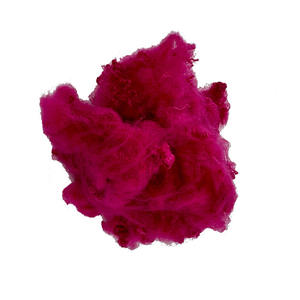
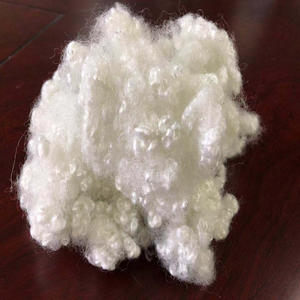
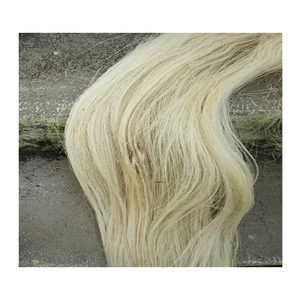
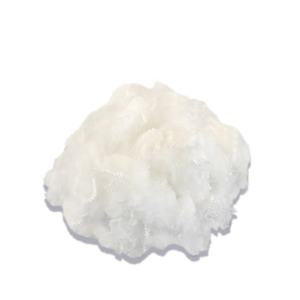
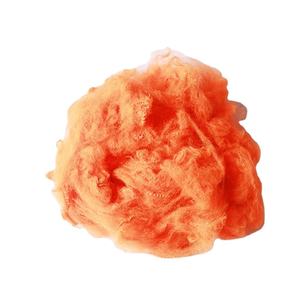
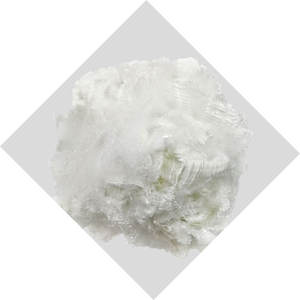
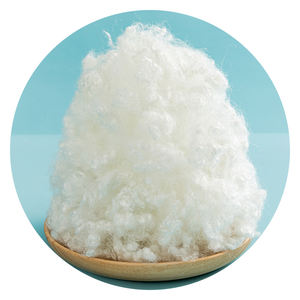
For high-impact resistance, we offer Steel Fibers, an ideal replacement for welded wire mesh in industrial floors and pre-cast elements. We also provide specialized Structural Synthetic Fibers that offer high tensile strength for demanding applications. These fibers are uniformly dispersed throughout the concrete mix, creating a multi-dimensional reinforcement network that traditional methods cannot achieve. This integrated approach simplifies construction, accelerates placement, and enhances the overall integrity and longevity of the concrete, providing a modern answer to age-old cracking and durability challenges.
Features of Cement Blanket Fiber Cloth Blanket for Artificial Lake Landfill Material of Cement and Fiber
1. Superior Crack Control and Enhanced Durability:
The primary feature of our fibers is their ability to bridge both micro-cracks that form during the plastic state and larger cracks in hardened concrete. This three-dimensional dispersion creates a more cohesive matrix that resists crack propagation. The direct benefit is a significant reduction in both plastic shrinkage cracking and long-term crack width. This leads to a much more durable concrete with lower permeability, which in turn enhances resistance to water ingress, freeze-thaw damage, and corrosion of any embedded steel. The result is a structure with a longer service life and reduced maintenance costs.
2. Increased Impact and Abrasion Resistance:
Fibers, particularly steel and robust synthetic macro fibers, dramatically improve the concrete’s toughness and post-crack performance. They absorb and distribute energy upon impact or loading. This feature provides the benefit of a more resilient surface that is less prone to spalling, chipping, and abrasion under heavy traffic or mechanical wear. This is a critical advantage for industrial floors, warehouse pavements, and infrastructure projects, leading to a harder-wearing surface that maintains its integrity over time.
3. Construction Efficiency and Cost Savings:
A key feature of using fiber reinforcement is the elimination of welded wire mesh (WWF) in many applications. This provides immense on-site benefits: it simplifies placement, as there is no mesh to be set up or potentially displaced, and it accelerates the entire construction process. By removing a labor-intensive step, projects see reduced labor costs and faster project timelines. The uniform distribution of fibers also ensures consistent reinforcement throughout the entire concrete section, unlike mesh, which can be improperly placed, leading to more reliable and predictable performance.

Specifications of Cement Blanket Fiber Cloth Blanket for Artificial Lake Landfill Material of Cement and Fiber
This cement covering fiber cloth blanket integrates cement and fiber. It produces a strong, flexible product for fabricated lakes and landfills. The blend is vital for performance. It utilizes high-strength artificial fibers blended with concrete bits. This mix offers it structure and toughness. The fibers are woven snugly. This holds the cement powder securely in place. The cloth is normally made in rolls. Roll widths are frequently 1 to 2 meters. Sizes differ relying on the task. Conventional roll sizes are 30 to 50 meters. The thickness is important. It typically varies from 6 to 10 millimeters. This thickness influences toughness and versatility. The weight per square meter is significant. It often falls in between 3.5 to 5 kilograms. This weight reveals the material thickness. It affects dealing with and setup ease.
Water permeability is a significant feature. The fabric permits water to go through gradually. This prevents pressure accumulation behind the liner. It aids with drainage control. The cement moistens when wetted. It develops a strong, water resistant layer with time. This layer bonds well to dirt below. The tensile strength is high. It stands up to tearing during placement. It withstands ground motion later. The material takes care of freeze-thaw cycles well. It remains intact in altering weather condition. Installation is straightforward. Unroll the covering over the prepared surface area. Overlap the edges sufficiently. Then, merely wet it completely. The concrete establishes within hours. It achieves full toughness in days. This item suits lining fish ponds and lakes. It helps garbage dump caps and bases. It supplies reputable control.
Applications of Cement Blanket Fiber Cloth Blanket for Artificial Lake Landfill Material of Cement and Fiber
Cement fiber coverings provide a functional option for developing fabricated lake land fills. This material integrates concrete and unique fibers. It shows up as a versatile roll. Employees can suffice to the required dimension. They place it straight onto the land fill surface area. Water activates the cement. The product sets into a hard, concrete-like layer. This layer bonds well with the dirt beneath. It develops a reputable obstacle versus leaks.
Landfills holding water for lakes deal with big challenges. Dirt erosion is a constant hazard. Water seepage can cause problems. Slope security is essential. The concrete fiber blanket tackles these problems successfully. It acts like a safety skin over the garbage dump base. This stops water from running away into the ground. It also stops outside water from entering. The covering guards the soil from getting rid of. Wind and rain create less damages. The hardened layer adds strength. It aids steep slopes remain in area.
Installation is uncomplicated. Teams spread out the mats where required. They overlap the edges a little. Spraying water establishes the hardening procedure. The product sets swiftly. It creates a solid, seamless obstacle. This approach conserves time. It also reduces labor expenses contrasted to typical concrete. The outcome is a long lasting, low-maintenance lining system. It works well for lining the lake bed itself. It is also helpful for covering the sides of the landfill structure. The covering gives long-lasting defense. It guarantees the lake holds water safely.
Company Profile
We are the global leader in lightweight concrete and advanced engineered foam solutions. Known globally for its commitment to research, innovation, and applied expertise, we have been providing engineered foam solutions since the early 2012’s.
We can supply high-quality concrete admixture and foam concrete related products all over the world.
The company has a professional technical department and quality supervision department, a well-equipped laboratory, and equipped with advanced testing equipment and after-sales customer service center.
If you are interested, please feel free and contact us.
Payment
T/T, Western Union, Paypal, Credit Card etc.
Shipment
By air, by sea, by express, as customers request.
5 FAQs of Cement Blanket Fiber Cloth Blanket for Artificial Lake Landfill Material of Cement and Fiber
Here are five common questions about cement blanket fiber cloth for artificial lakes and landfills:
What exactly is cement blanket fiber cloth? It is a special fabric. This fabric is made by combining flexible fibers with a cement powder mix. When you add water, the cement hardens. The fibers hold it together. The result is a strong, flexible blanket. This blanket is used to line things like artificial lakes and landfills.
How does this cement blanket work? You roll it out over the ground. Then you spray it with water. The water activates the cement powder. The cement hardens over the next day or two. The hardened blanket forms a tough, protective layer. This layer stops water from leaking out or seeping in. It also protects the soil underneath from washing away.
Why choose this instead of regular concrete? Concrete is heavy and stiff. It can crack easily. The cement blanket is much lighter. It is also very flexible. It bends to fit the shape of the land. It won’t crack like poured concrete might. Installation is much faster. You don’t need big machinery or forms. This makes it cheaper and easier to use.
What do you need to install it? You need a reasonably smooth surface. Remove big rocks and sharp objects. The ground should be firm. Roll out the dry blanket where you need it. Overlap the edges slightly. Then wet it thoroughly with a hose or sprinkler. Keep it damp while the cement hardens. That’s the basic process.
How long does the cement blanket last? Properly installed, it lasts many years. The cement gives it strength. The fibers provide flexibility and toughness. It resists damage from weather and water flow. It won’t rot or break down quickly. This makes it a long-lasting solution for lining projects.