Professional solutions on concrete addtives, Concrete Foaming Agent, Superplasticizer, CLC Blocks Additives, and foaming machine

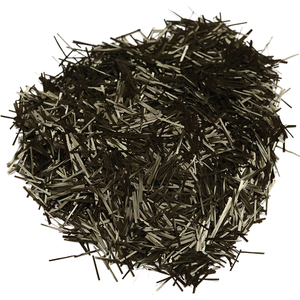
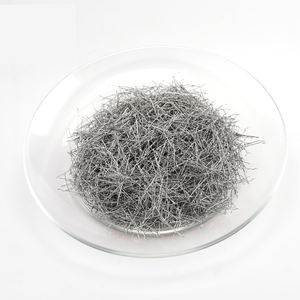
Cold drawn concrete fiber for reinforced concrete
PRODUCT PARAMETERS
Description
Overview of Cold drawn concrete fiber for reinforced concrete
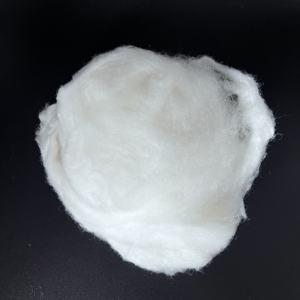
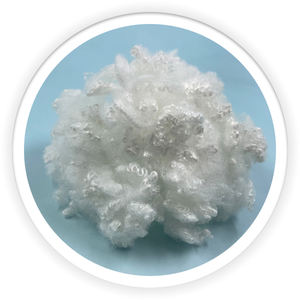
For high-impact resistance, we offer Steel Fibers, an ideal replacement for welded wire mesh in industrial floors and pre-cast elements. We also provide specialized Structural Synthetic Fibers that offer high tensile strength for demanding applications. These fibers are uniformly dispersed throughout the concrete mix, creating a multi-dimensional reinforcement network that traditional methods cannot achieve. This integrated approach simplifies construction, accelerates placement, and enhances the overall integrity and longevity of the concrete, providing a modern answer to age-old cracking and durability challenges.
Features of Cold drawn concrete fiber for reinforced concrete
1. Superior Crack Control and Enhanced Durability:
The primary feature of our fibers is their ability to bridge both micro-cracks that form during the plastic state and larger cracks in hardened concrete. This three-dimensional dispersion creates a more cohesive matrix that resists crack propagation. The direct benefit is a significant reduction in both plastic shrinkage cracking and long-term crack width. This leads to a much more durable concrete with lower permeability, which in turn enhances resistance to water ingress, freeze-thaw damage, and corrosion of any embedded steel. The result is a structure with a longer service life and reduced maintenance costs.
2. Increased Impact and Abrasion Resistance:
Fibers, particularly steel and robust synthetic macro fibers, dramatically improve the concrete’s toughness and post-crack performance. They absorb and distribute energy upon impact or loading. This feature provides the benefit of a more resilient surface that is less prone to spalling, chipping, and abrasion under heavy traffic or mechanical wear. This is a critical advantage for industrial floors, warehouse pavements, and infrastructure projects, leading to a harder-wearing surface that maintains its integrity over time.
3. Construction Efficiency and Cost Savings:
A key feature of using fiber reinforcement is the elimination of welded wire mesh (WWF) in many applications. This provides immense on-site benefits: it simplifies placement, as there is no mesh to be set up or potentially displaced, and it accelerates the entire construction process. By removing a labor-intensive step, projects see reduced labor costs and faster project timelines. The uniform distribution of fibers also ensures consistent reinforcement throughout the entire concrete section, unlike mesh, which can be improperly placed, leading to more reliable and predictable performance.

Specifications of Cold drawn concrete fiber for reinforced concrete
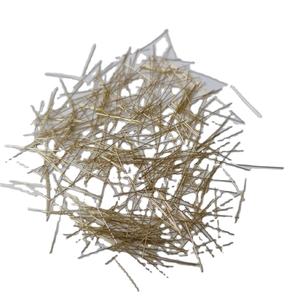
Cold attracted concrete fiber is made from top quality steel cable. This steel fiber is pulled via special dies. The procedure makes it very solid. It is used to reinforce concrete. The fibers are included in the concrete mix. They assist manage cracking and improve strength.
The product is typically low carbon steel. It supplies great toughness. Some fibers use stainless-steel. This offers much better deterioration resistance. Fiber size is necessary. Common sizes are in between 25mm and 60mm. The size is commonly tiny, usually 0.5 mm to 1.0 mm. This dimension assists it mix uniformly in concrete.
Tensile strength is a vital spec. Cold drawn fibers have high tensile strength. They frequently surpass 1000 MPa. This strength assists the fiber hold the concrete together. The fibers typically have actually hooked or curly ends. These shapes boost bonding with the concrete. They stop the fiber from taking out conveniently.
The surface is smooth due to the attracting process. This smoothness helps throughout blending. It lowers fiber balling. Some fibers have a light layer. This covering improves corrosion resistance. It additionally aids bonding with the concrete paste. The fibers are straight before blending. They create their form during the mixing activity.
Performance in concrete is important. These fibers improve flexural toughness significantly. They decrease plastic contraction splitting. They assist control drying out contraction fractures. The fibers distribute anxiety throughout cracks. This boosts the concrete’s toughness. They are effective in pieces, sidewalks, and precast aspects. The fibers complement traditional rebar. They offer second support.
Applications of Cold drawn concrete fiber for reinforced concrete
Cold attracted concrete fiber reinforces strengthened concrete. This fiber blends directly right into the concrete. It spreads out uniformly throughout the mix. This fiber assists regulate cracks. It stops little splits from expanding bigger. This fiber makes concrete tougher. It improves resistance to influence and wear. This is essential for active areas.
Industrial floorings see heavy traffic. Forklifts and machinery relocation constantly. Concrete pieces take a beating. Including this fiber makes these floors more powerful. The floor surface area lasts a lot longer. It stands up to damages from impacts and abrasion. This fiber reduces the demand for great deals of steel rebar. Workers place concrete quicker. Projects end up sooner. Expenses might drop.
Precast concrete elements benefit as well. Manufacturing facilities create wall surfaces, beam of lights, panels. These pieces require durability. This fiber assists them survive dealing with and transport. It lessens fractures throughout these procedures. The final product is more reliable.
Passage linings call for solid support. Underground problems are extreme. Shotcrete usually constructs these linings. Adding this fiber to shotcrete is wise. The damp mix sprays onto surfaces. The fiber holds the mix with each other better. It avoids rebound and early splitting. The lining collections solid and intact.
Residential building and construction uses this fiber. Driveways and cellar pieces require it. Property owners want durable surface areas. This fiber aids stop breaking from shrinkage or settling. It supplies additional strength. It functions along with the main steel support. The concrete does far better overall. Structures last longer with much less maintenance.
This fiber fits many concrete tasks. It enhances efficiency in tough conditions. Contractors value the included strength. It uses a practical service for stronger concrete.
Company Profile
We are the global leader in lightweight concrete and advanced engineered foam solutions. Known globally for its commitment to research, innovation, and applied expertise, we have been providing engineered foam solutions since the early 2012’s.
We can supply high-quality concrete admixture and foam concrete related products all over the world.
The company has a professional technical department and quality supervision department, a well-equipped laboratory, and equipped with advanced testing equipment and after-sales customer service center.
If you are interested, please feel free and contact us.
Payment
T/T, Western Union, Paypal, Credit Card etc.
Shipment
By air, by sea, by express, as customers request.
5 FAQs of Cold drawn concrete fiber for reinforced concrete
What are cold drawn concrete fibers?
Cold drawn concrete fibers are tiny steel strands. They get added to concrete mixes. They strengthen the concrete. They help control cracking. Think of them like tiny pieces of rebar spread everywhere inside the concrete.
How do fibers help concrete?
Fibers boost toughness. They make concrete harder to crack. Cracks that do form are smaller. They stop cracks from spreading wide. This improves durability. It reduces maintenance later.
Are fibers better than rebar?
Fibers are not a full replacement for rebar. They serve a different job. Fibers handle small, early cracks. Rebar handles big structural loads. Often, they get used together. Fibers add extra protection against cracking.
Is mixing concrete with fibers hard?
Mixing is straightforward. Add the fibers to the concrete mix. Mix them evenly throughout the concrete. Standard mixers work fine. No special equipment is needed. Just follow the supplier’s instructions for the right amount.
Does using fibers save money?
Fibers can save money overall. They reduce labor costs. Placing rebar takes time and workers. Fibers mix right in. They may lower long-term repair costs too. Less cracking means fewer fixes later. The upfront material cost is worth it for many projects.