Professional solutions on concrete addtives, Concrete Foaming Agent, Superplasticizer, CLC Blocks Additives, and foaming machine

Glass Fiber Reinforced Plastic Profiles GRP/FRP U profiles fiberglass C channel
PRODUCT PARAMETERS
Description
Overview of Glass Fiber Reinforced Plastic Profiles GRP/FRP U profiles fiberglass C channel
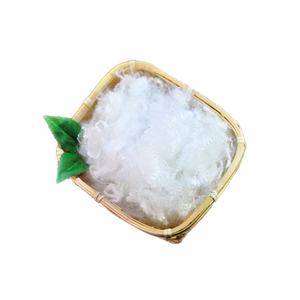
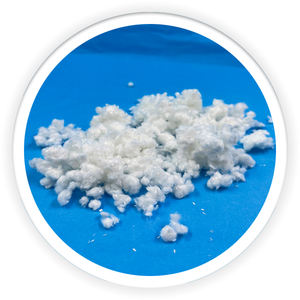
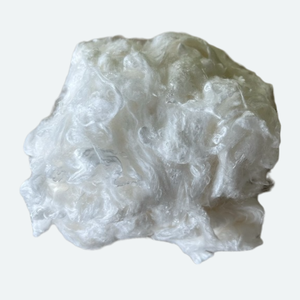
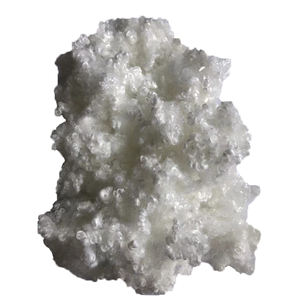
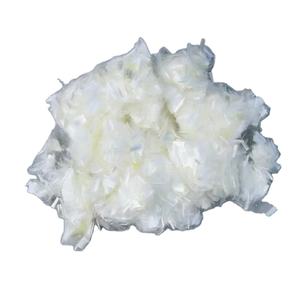
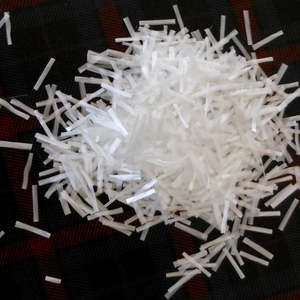
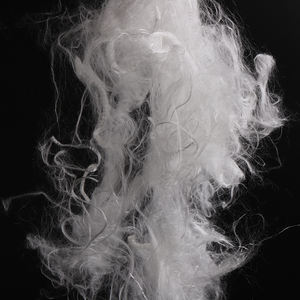
For high-impact resistance, we offer Steel Fibers, an ideal replacement for welded wire mesh in industrial floors and pre-cast elements. We also provide specialized Structural Synthetic Fibers that offer high tensile strength for demanding applications. These fibers are uniformly dispersed throughout the concrete mix, creating a multi-dimensional reinforcement network that traditional methods cannot achieve. This integrated approach simplifies construction, accelerates placement, and enhances the overall integrity and longevity of the concrete, providing a modern answer to age-old cracking and durability challenges.
Features of Glass Fiber Reinforced Plastic Profiles GRP/FRP U profiles fiberglass C channel
1. Superior Crack Control and Enhanced Durability:
The primary feature of our fibers is their ability to bridge both micro-cracks that form during the plastic state and larger cracks in hardened concrete. This three-dimensional dispersion creates a more cohesive matrix that resists crack propagation. The direct benefit is a significant reduction in both plastic shrinkage cracking and long-term crack width. This leads to a much more durable concrete with lower permeability, which in turn enhances resistance to water ingress, freeze-thaw damage, and corrosion of any embedded steel. The result is a structure with a longer service life and reduced maintenance costs.
2. Increased Impact and Abrasion Resistance:
Fibers, particularly steel and robust synthetic macro fibers, dramatically improve the concrete’s toughness and post-crack performance. They absorb and distribute energy upon impact or loading. This feature provides the benefit of a more resilient surface that is less prone to spalling, chipping, and abrasion under heavy traffic or mechanical wear. This is a critical advantage for industrial floors, warehouse pavements, and infrastructure projects, leading to a harder-wearing surface that maintains its integrity over time.
3. Construction Efficiency and Cost Savings:
A key feature of using fiber reinforcement is the elimination of welded wire mesh (WWF) in many applications. This provides immense on-site benefits: it simplifies placement, as there is no mesh to be set up or potentially displaced, and it accelerates the entire construction process. By removing a labor-intensive step, projects see reduced labor costs and faster project timelines. The uniform distribution of fibers also ensures consistent reinforcement throughout the entire concrete section, unlike mesh, which can be improperly placed, leading to more reliable and predictable performance.

Specifications of Glass Fiber Reinforced Plastic Profiles GRP/FRP U profiles fiberglass C channel
GRP U profiles are structural forms. They are also called FRP C channels. These accounts offer outstanding toughness. They are made from glass fibers embeded in polyester resin. This mix develops a lightweight product. It carries out quite possibly in challenging conditions.
These U profiles stand up to corrosion very well. They will not rust. Chemicals do not hurt them. Salt water has no result. They work flawlessly outdoors. They are suitable for coastal areas. Industrial sites utilize them widely.
The product does not conduct electrical energy. It is risk-free around electric systems. GRP U profiles are additionally fire resistant. They meet vital safety and security criteria. They do not sustain combustion conveniently. This is essential for many structure tasks.
These accounts are very strong yet light. Handling them is easy. Setup is straightforward. They do not call for hefty lifting gear. This conserves money and time on website. Workers appreciate the lighter weight.
GRP U profiles are available in conventional sizes. Typical elevations are 40mm, 60mm, 80mm, and 100mm. Flange widths are typically 20mm, 30mm, or 40mm. Wall surface density varies. It generally varies from 3mm to 6mm. Customized dimensions are also readily available. Producers can make profiles to details illustrations.
The surface area finish is normally smooth. It can also be textured. A distinctive finish offers much better grasp. This is helpful on pathways or platforms. The shade is usually a light beige. Various other colors are feasible. Custom-made shades require specific orders.
These profiles are functional. They are utilized for architectural assistance structures. They make excellent edge defense. They prevail on platforms and pathways. They function as strong handrails. Wire administration systems utilize them. They safeguard wiring neatly. They are additionally used in fence systems. Their sturdiness makes them durable. They need practically no upkeep.
Applications of Glass Fiber Reinforced Plastic Profiles GRP/FRP U profiles fiberglass C channel
Glass Fiber Reinforced Plastic (GRP), or FRP, accounts like U-profiles and C-channels are exceptionally useful. They are made by combining solid glass fibers with hard plastic resin. This develops a product that is extremely solid yet light-weight. It also resists corrosion and corrosion completely. These residential or commercial properties make GRP profiles ideal for several requiring tasks.
In construction, GRP U-profiles and C-channels are preferred. Home builders utilize them as architectural supports, side trims, or framing elements. They work well in position where steel would certainly corrosion swiftly, like near the sea or in chemical plants. You see them on building facades, in factories, or as safety edging. They deal with rough climate without decomposing or wearing away. Maintenance is very little.
The transportation market depends on these profiles too. Trains, buses, and trucks utilize GRP networks for interior panels, seat structures, and flooring sustains. They are light, which conserves fuel. They are additionally solid enough for the work. They will not perform electricity, adding safety.
Chemical plants and water treatment centers need products that stand up to chemicals. GRP U-profiles and C-channels stand out right here. Acids, antacid, and salt water do not harm them. They are used to develop frameworks for equipment, sustains for pipes, and sidewalks. Long life span is guaranteed.
Electric systems take advantage of GRP’s non-conductive nature. These accounts safely sustain wire trays and shield wiring runs. They shield versus electricity. This is essential in power plant and substations.
Marine environments are tough on materials. Saltwater rapidly damages steel and wood. GRP profiles are the option. Boatyards and docks utilize them for docks, boat structures, and railings. They last for years in spite of constant deep sea direct exposure.
Installment is simple. GRP accounts cut and pierce easily utilizing common devices. Workers can shape them on-site without hefty equipment. This conserves time and money. They do not require painting or special coverings. Their color is shaped right in.
GRP U-profiles and C-channels offer strength without the weight of steel. They resist corrosion much better than metals. They last longer than timber in damp problems. They manage chemicals where various other materials stop working. They supply safe electrical insulation. Picking GRP indicates selecting lasting performance with less maintenance.
Company Profile
We are the global leader in lightweight concrete and advanced engineered foam solutions. Known globally for its commitment to research, innovation, and applied expertise, we have been providing engineered foam solutions since the early 2012’s.
We can supply high-quality concrete admixture and foam concrete related products all over the world.
The company has a professional technical department and quality supervision department, a well-equipped laboratory, and equipped with advanced testing equipment and after-sales customer service center.
If you are interested, please feel free and contact us.
Payment
T/T, Western Union, Paypal, Credit Card etc.
Shipment
By air, by sea, by express, as customers request.
5 FAQs of Glass Fiber Reinforced Plastic Profiles GRP/FRP U profiles fiberglass C channel
GRP U-profiles are structural shapes. They are made from fiberglass reinforced plastic. This material combines glass fibers with a plastic resin. The result is a strong, lightweight product. It resists corrosion very well. U-profiles have a C-shaped cross-section. They look like a letter U. The flanges are the sides. The web is the bottom part connecting them. These profiles are used for support. They are also used for framing and edging. Many industries rely on them.
Why pick GRP U-profiles over steel or aluminum? GRP won’t rust. This is a huge advantage. It lasts much longer outdoors. Salt water or chemicals won’t damage it. Steel rusts quickly in these conditions. GRP is also lighter than metal. This makes handling easier. It cuts installation time. You don’t need heavy lifting gear. GRP doesn’t conduct electricity. This is important near electrical systems. It provides insulation safely.
Where are GRP U-profiles typically used? You see them in many places. Building facades use them. They support panels and cladding. Chemical plants need them for structures. Wastewater treatment facilities use them extensively. Transportation uses them too. Think trucks, buses, and rail cars. Marine environments are perfect for GRP. Docks and boat structures use these profiles. They hold up against water and weather. Anywhere corrosion is a problem, GRP works well.
How do you install GRP U-profiles? It’s straightforward. You can cut them easily. Use standard woodworking tools. Saw blades made for fiberglass are best. Drilling holes is simple too. You attach them with screws or bolts. Regular fasteners work fine. Adhesives bond well to GRP surfaces. Follow the manufacturer’s instructions. Ensure the mounting surface is clean. Proper installation ensures a secure fit.
Where can I buy GRP U-profiles? Many suppliers stock them. Look for companies specializing in fiberglass products. They offer various sizes and thicknesses. Some provide custom lengths. Others cut profiles to your exact needs. Check the resin type. Polyester resin is common. Vinyl ester resin offers better chemical resistance. Pick the right one for your job. Compare prices and delivery options. Ask about technical support if needed.