Professional solutions on concrete addtives, Concrete Foaming Agent, Superplasticizer, CLC Blocks Additives, and foaming machine

High strength reinforced threaded fiber glass rebar fiberglass reinforced rods for concrete
PRODUCT PARAMETERS
Description
Overview of High strength reinforced threaded fiber glass rebar fiberglass reinforced rods for concrete
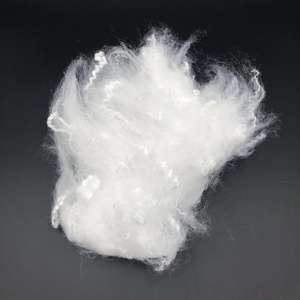
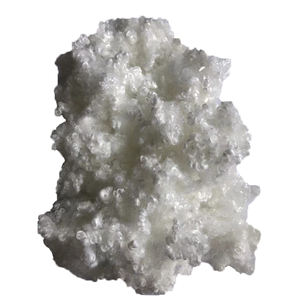
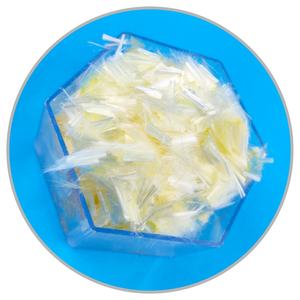
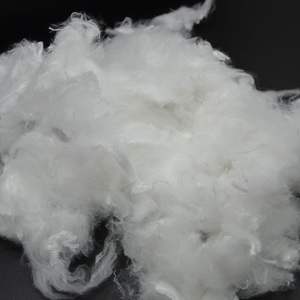
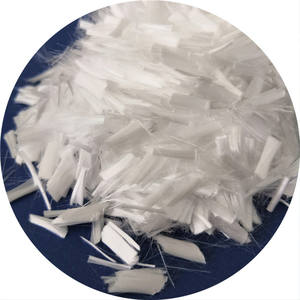
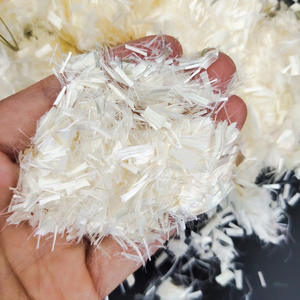
For high-impact resistance, we offer Steel Fibers, an ideal replacement for welded wire mesh in industrial floors and pre-cast elements. We also provide specialized Structural Synthetic Fibers that offer high tensile strength for demanding applications. These fibers are uniformly dispersed throughout the concrete mix, creating a multi-dimensional reinforcement network that traditional methods cannot achieve. This integrated approach simplifies construction, accelerates placement, and enhances the overall integrity and longevity of the concrete, providing a modern answer to age-old cracking and durability challenges.
Features of High strength reinforced threaded fiber glass rebar fiberglass reinforced rods for concrete
1. Superior Crack Control and Enhanced Durability:
The primary feature of our fibers is their ability to bridge both micro-cracks that form during the plastic state and larger cracks in hardened concrete. This three-dimensional dispersion creates a more cohesive matrix that resists crack propagation. The direct benefit is a significant reduction in both plastic shrinkage cracking and long-term crack width. This leads to a much more durable concrete with lower permeability, which in turn enhances resistance to water ingress, freeze-thaw damage, and corrosion of any embedded steel. The result is a structure with a longer service life and reduced maintenance costs.
2. Increased Impact and Abrasion Resistance:
Fibers, particularly steel and robust synthetic macro fibers, dramatically improve the concrete’s toughness and post-crack performance. They absorb and distribute energy upon impact or loading. This feature provides the benefit of a more resilient surface that is less prone to spalling, chipping, and abrasion under heavy traffic or mechanical wear. This is a critical advantage for industrial floors, warehouse pavements, and infrastructure projects, leading to a harder-wearing surface that maintains its integrity over time.
3. Construction Efficiency and Cost Savings:
A key feature of using fiber reinforcement is the elimination of welded wire mesh (WWF) in many applications. This provides immense on-site benefits: it simplifies placement, as there is no mesh to be set up or potentially displaced, and it accelerates the entire construction process. By removing a labor-intensive step, projects see reduced labor costs and faster project timelines. The uniform distribution of fibers also ensures consistent reinforcement throughout the entire concrete section, unlike mesh, which can be improperly placed, leading to more reliable and predictable performance.

Specifications of High strength reinforced threaded fiber glass rebar fiberglass reinforced rods for concrete
High stamina reinforced threaded fiberglass rebar provides a modern solution for concrete reinforcement. This product is made from strong fiberglass hairs installed in resin. It offers excellent rust resistance. This rebar will not corrosion like steel. It lasts much longer in tough atmospheres. Think deep sea, chemicals, or locations where deicing salts are used. The strength-to-weight proportion is impressive. Fiberglass rebar is much lighter than steel rebar. This makes it much easier to take care of and transfer on the job site. Employees appreciate the lowered physical pressure. Regardless of its lightweight, it boasts high tensile toughness. This stamina equates to or goes beyond typical steel in many applications. The poles feature a threaded surface. This surface area structure offers a solid mechanical bond with concrete. The bond stops slipping or pull-out under tension. The strings guarantee the rebar holds the concrete successfully. These poles can be found in various standard sizes. Usual sizes consist of 4mm, 6mm, 8mm, 10mm, 12mm, 16mm, 20mm, and 25mm. Sizes are normally adjustable to project requirements. Typical sizes are 6 meters or 12 feet. The threaded layout streamlines setup. It works well with conventional linking wire or rebar sustains. This rebar suits lots of construction projects. It’s suitable for marine frameworks, bridges, roads, tunnels, and buildings subjected to harsh conditions. It does well in foundations, wall surfaces, slabs, and other concrete aspects.
Applications of High strength reinforced threaded fiber glass rebar fiberglass reinforced rods for concrete
Steel rebar has been the go-to selection for strengthening concrete for a very long time. Steel rusts. Corrosion causes concrete to crack and deteriorate gradually. This is a large problem. High stamina reinforced threaded fiber glass rebar supplies a solid choice. It does not rust at all. This makes it perfect for locations where steel stops working.
Think of structures near the sea. Salt water and salt air make steel corrosion very quick. Fiberglass rebar takes care of these problems conveniently. It doesn’t rust. Bridges and piers in coastal locations benefit extremely. Marine anchors and sea walls also see huge enhancements. Concrete frameworks last much longer.
Chemical plants and wastewater therapy facilities use severe compounds. These chemicals strike steel rebar boldy. Fiberglass rebar withstands most acids and antacids. It holds up well in these hard settings. Containers and control structures stay solid for years.
Roads and bridges encounter one more issue. Roadway salt used in winter accelerate rusting on steel reinforcement. Fiberglass rebar is unaffected by deicing salts. Highway obstacles, bridge decks, and parking garages reinforced with fiberglass require much less repair work. Upkeep costs drop.
Electrical disturbance matters as well. Steel rebar can ruin signals. Fiberglass is non-conductive. It’s excellent for buildings housing sensitive electronic devices, health centers with MRI devices, and power substations. There are no magnetic field problems.
Heat distinctions cause problems. Fiberglass rebar broadens a lot less than steel when heated up. This minimizes stress on concrete in position with huge temperature swings. Assume passages or commercial setups. Concrete slabs stay intact.
Fiberglass rebar is lighter than steel. Employees handle it less complicated on the job website. Carry prices are lower. Installation is quicker. Projects can end up sooner. The threads supply superb grasp within the concrete. Bonding toughness is high. It delivers reputable architectural support.
Company Profile
We are the global leader in lightweight concrete and advanced engineered foam solutions. Known globally for its commitment to research, innovation, and applied expertise, we have been providing engineered foam solutions since the early 2012’s.
We can supply high-quality concrete admixture and foam concrete related products all over the world.
The company has a professional technical department and quality supervision department, a well-equipped laboratory, and equipped with advanced testing equipment and after-sales customer service center.
If you are interested, please feel free and contact us.
Payment
T/T, Western Union, Paypal, Credit Card etc.
Shipment
By air, by sea, by express, as customers request.
5 FAQs of High strength reinforced threaded fiber glass rebar fiberglass reinforced rods for concrete
What is fiberglass rebar?
Fiberglass rebar is a strong reinforcing bar. It replaces steel in concrete structures. It is made from glass fibers embedded in resin. This makes it very strong. It also makes it resistant to corrosion. Builders use it in places where steel rusts easily.
Is fiberglass rebar as strong as steel?
Fiberglass rebar has high tensile strength. Its strength is similar to steel rebar. It is much lighter than steel. A fiberglass bar weighs about one quarter of a steel bar. This makes it easier to handle on the job site. It reduces worker fatigue. It also cuts transport costs.
Does fiberglass rebar resist corrosion?
Yes. Fiberglass rebar does not rust. Steel rebar rusts when exposed to moisture and salt. Rust causes concrete to crack and spall. Fiberglass rebar solves this problem. It lasts much longer in harsh environments. Use it near saltwater, in bridges, or in chemical plants. It performs well.
Is installation different from steel rebar?
Installation methods are similar. You cut and place fiberglass rebar like steel. Use standard concrete cutting tools. Wear gloves. The fibers can be sharp. Tie the bars together with plastic ties. Avoid metal ties. Metal can cause galvanic corrosion. Bend the bars carefully. Follow the supplier’s instructions for bending.
Is fiberglass rebar more expensive?
The initial cost per bar might be higher. Think about the total project cost. Fiberglass rebar lasts much longer. It avoids costly repairs from rust damage. It reduces maintenance over the structure’s life. It saves money long-term. The lighter weight also saves on labor and shipping. It offers a good value.