Professional solutions on concrete addtives, Concrete Foaming Agent, Superplasticizer, CLC Blocks Additives, and foaming machine

Polypropylene Polymer Macro Synthetic Reinforcement Fiber For Concrete Flooring
PRODUCT PARAMETERS
Description
Overview of Polypropylene Polymer Macro Synthetic Reinforcement Fiber For Concrete Flooring
For high-impact resistance, we offer Steel Fibers, an ideal replacement for welded wire mesh in industrial floors and pre-cast elements. We also provide specialized Structural Synthetic Fibers that offer high tensile strength for demanding applications. These fibers are uniformly dispersed throughout the concrete mix, creating a multi-dimensional reinforcement network that traditional methods cannot achieve. This integrated approach simplifies construction, accelerates placement, and enhances the overall integrity and longevity of the concrete, providing a modern answer to age-old cracking and durability challenges.
Features of Polypropylene Polymer Macro Synthetic Reinforcement Fiber For Concrete Flooring
1. Superior Crack Control and Enhanced Durability:
The primary feature of our fibers is their ability to bridge both micro-cracks that form during the plastic state and larger cracks in hardened concrete. This three-dimensional dispersion creates a more cohesive matrix that resists crack propagation. The direct benefit is a significant reduction in both plastic shrinkage cracking and long-term crack width. This leads to a much more durable concrete with lower permeability, which in turn enhances resistance to water ingress, freeze-thaw damage, and corrosion of any embedded steel. The result is a structure with a longer service life and reduced maintenance costs.
2. Increased Impact and Abrasion Resistance:
Fibers, particularly steel and robust synthetic macro fibers, dramatically improve the concrete’s toughness and post-crack performance. They absorb and distribute energy upon impact or loading. This feature provides the benefit of a more resilient surface that is less prone to spalling, chipping, and abrasion under heavy traffic or mechanical wear. This is a critical advantage for industrial floors, warehouse pavements, and infrastructure projects, leading to a harder-wearing surface that maintains its integrity over time.
3. Construction Efficiency and Cost Savings:
A key feature of using fiber reinforcement is the elimination of welded wire mesh (WWF) in many applications. This provides immense on-site benefits: it simplifies placement, as there is no mesh to be set up or potentially displaced, and it accelerates the entire construction process. By removing a labor-intensive step, projects see reduced labor costs and faster project timelines. The uniform distribution of fibers also ensures consistent reinforcement throughout the entire concrete section, unlike mesh, which can be improperly placed, leading to more reliable and predictable performance.

Specifications of Polypropylene Polymer Macro Synthetic Reinforcement Fiber For Concrete Flooring
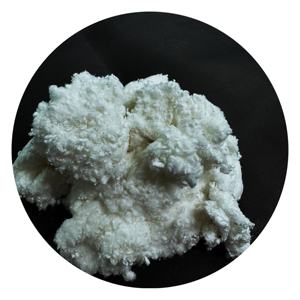
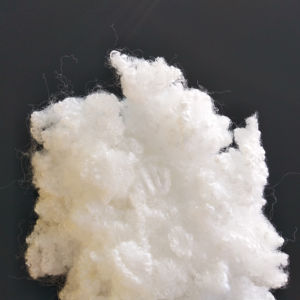
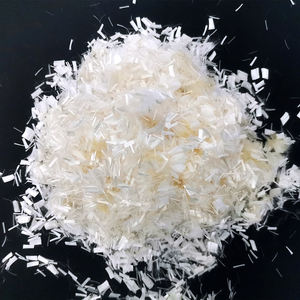
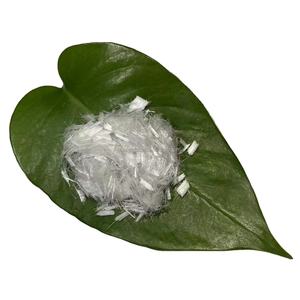
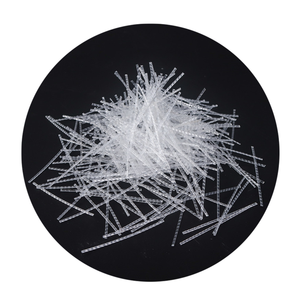
This item is polypropylene polymer macro artificial support fiber for concrete floors. It is made to strengthen concrete pieces. The fibers are made from high-grade polypropylene. They are strong and sturdy. Polypropylene withstands chemicals well. This makes the fibers perfect for rough settings. The fibers are macro-sized. They are bigger than microfibers. This size assists manage fractures better. Each fiber bundle has a particular tensile strength. The strength is gauged in MPa. The specific value relies on the fiber type. Fibers are available in different lengths. Common sizes are 40mm, 50mm, or 60mm. The size affects efficiency. Longer fibers frequently give far better crack control. The fiber diameter is additionally important. It influences just how the fibers blend right into concrete. These fibers have a high modulus of elasticity. This indicates they are stiff. They hold the concrete with each other snugly when it tries to split. The fibers are hydrophobic. They do not take in water. This avoids them from damaging in damp concrete. Their shape is usually fibrillated or level tape. This shape assists them bond well with the concrete mix. The fibers spread quickly in the mixer. They spread out uniformly throughout the concrete. This consistent distribution is vital. It ensures consistent support throughout the whole piece. Adding these fibers improves concrete sturdiness. It decreases the risk of plastic shrinkage fractures. It also assists control long-lasting drying shrinkage fractures. The fibers do not corrode like steel. They last the life of the concrete. Utilizing them can occasionally allow you use less steel rebar. They work well with other support techniques. The fibers are included straight to the concrete truck or mixer. Follow the supplier’s advised dose rate. This rate is generally kilos per cubic meter of concrete. Proper mixing time is important. It makes sure the fibers are expanded right. The fibers are risk-free to deal with. Use gloves and eye protection. Store the fiber bags in a completely dry location. Keep them far from direct sunlight.
Applications of Polypropylene Polymer Macro Synthetic Reinforcement Fiber For Concrete Flooring
Polypropylene polymer macro synthetic reinforcement fiber is a modern method to reinforce concrete floors. This fiber is made from solid plastic threads. It replaces older approaches like steel mesh or rebar. It blends straight right into the concrete set. This makes positioning faster and easier. Employees conserve time. The fiber spreads out uniformly throughout the concrete slab. This gives uniform support.
The major job is stopping splits. Concrete constantly shrinks a little bit as it dries out. This shrinking produces interior stress. The anxiety can cause cracks. The fibers hold the concrete together. They bridge throughout little cracks as they form. This keeps fractures from getting wider. It improves the flooring’s look. It helps the flooring stay strong much longer.
These fibers are excellent for the initial couple of days. Concrete is weakest right after putting. Plastic contraction splits typically happen after that. The fiber network provides assistance at an early stage. It reduces these very early splits significantly. The flooring surface area looks much better.
Long-lasting efficiency improves too. The fibers increase effect resistance. Forklifts and hefty equipment reason much less damage. Abrasion resistance boosts. The flooring surface uses down slower. This is vital for hectic areas. It suggests much less joint upkeep. Joints remain tighter longer.
You see this fiber in many locations. Industrial floors utilize it a great deal. Storage facilities need difficult, crack-resistant surfaces. Stores desire smooth, fine-looking floors. Driveways and parking area take advantage of its toughness. It works well for slabs on the ground. It additionally assists put on hold pieces. Freezer facilities locate it useful. The fiber stands up to freeze-thaw cycles well. Building and construction sites value the faster installation. Contractors stay clear of the hassle of steel placement. The concrete mix flows better with fibers. This results in a smoother surface overall. Polypropylene fibers offer a dependable remedy for modern-day concrete floor covering requirements.
Company Profile
We are the global leader in lightweight concrete and advanced engineered foam solutions. Known globally for its commitment to research, innovation, and applied expertise, we have been providing engineered foam solutions since the early 2012’s.
We can supply high-quality concrete admixture and foam concrete related products all over the world.
The company has a professional technical department and quality supervision department, a well-equipped laboratory, and equipped with advanced testing equipment and after-sales customer service center.
If you are interested, please feel free and contact us.
Payment
T/T, Western Union, Paypal, Credit Card etc.
Shipment
By air, by sea, by express, as customers request.
5 FAQs of Polypropylene Polymer Macro Synthetic Reinforcement Fiber For Concrete Flooring
What’s the point of adding these polypropylene fibers to concrete floors? They fight cracks. The fibers hold the concrete mix together better. This reduces cracking from plastic shrinkage while the concrete is still wet and setting. It also helps control cracks later on as the concrete dries out or experiences temperature changes. Your floor becomes tougher.
How do these fibers compare to wire mesh or steel rebar? They are different. The fibers work throughout the entire concrete slab. Wire mesh or rebar sit mainly near the bottom. The fibers stop small cracks from starting and spreading everywhere. Steel reinforcement handles bigger structural stresses. Often, you use both for the best results. The fibers add extra protection against random cracking.
Can I just toss the fibers into the concrete mixer? Yes, it’s straightforward. Add the fibers during the mixing stage. You add them with the other dry ingredients like sand and cement. Make sure the fibers spread evenly throughout the mix. Good mixing is key. Sometimes you might need a bit more water or plasticizer. The concrete should still pump and finish well.
Will my concrete floor be weaker with fibers instead of steel? Not exactly. The fibers don’t replace steel for heavy loads. They serve a different job. The fibers improve toughness. They make the concrete more resistant to impact and wear. They control cracking. For slabs needing heavy support, you still need steel reinforcement. The fibers add benefits steel alone doesn’t provide.
How much fiber should I use per yard of concrete? It depends. It depends on the project needs and the fiber type. Common dosages range from 3 to 9 pounds per cubic yard. Higher dosages give better crack control and impact resistance. Check the manufacturer’s recommendations for your specific fiber product. They will tell you the best amount to use.