Professional solutions on concrete addtives, Concrete Foaming Agent, Superplasticizer, CLC Blocks Additives, and foaming machine

Polypropylene PP Fiber Prevent Micro Cracks From Happening in the Concrete
PRODUCT PARAMETERS
Description
Overview of Polypropylene PP Fiber Prevent Micro Cracks From Happening in the Concrete
For high-impact resistance, we offer Steel Fibers, an ideal replacement for welded wire mesh in industrial floors and pre-cast elements. We also provide specialized Structural Synthetic Fibers that offer high tensile strength for demanding applications. These fibers are uniformly dispersed throughout the concrete mix, creating a multi-dimensional reinforcement network that traditional methods cannot achieve. This integrated approach simplifies construction, accelerates placement, and enhances the overall integrity and longevity of the concrete, providing a modern answer to age-old cracking and durability challenges.
Features of Polypropylene PP Fiber Prevent Micro Cracks From Happening in the Concrete
1. Superior Crack Control and Enhanced Durability:
The primary feature of our fibers is their ability to bridge both micro-cracks that form during the plastic state and larger cracks in hardened concrete. This three-dimensional dispersion creates a more cohesive matrix that resists crack propagation. The direct benefit is a significant reduction in both plastic shrinkage cracking and long-term crack width. This leads to a much more durable concrete with lower permeability, which in turn enhances resistance to water ingress, freeze-thaw damage, and corrosion of any embedded steel. The result is a structure with a longer service life and reduced maintenance costs.
2. Increased Impact and Abrasion Resistance:
Fibers, particularly steel and robust synthetic macro fibers, dramatically improve the concrete’s toughness and post-crack performance. They absorb and distribute energy upon impact or loading. This feature provides the benefit of a more resilient surface that is less prone to spalling, chipping, and abrasion under heavy traffic or mechanical wear. This is a critical advantage for industrial floors, warehouse pavements, and infrastructure projects, leading to a harder-wearing surface that maintains its integrity over time.
3. Construction Efficiency and Cost Savings:
A key feature of using fiber reinforcement is the elimination of welded wire mesh (WWF) in many applications. This provides immense on-site benefits: it simplifies placement, as there is no mesh to be set up or potentially displaced, and it accelerates the entire construction process. By removing a labor-intensive step, projects see reduced labor costs and faster project timelines. The uniform distribution of fibers also ensures consistent reinforcement throughout the entire concrete section, unlike mesh, which can be improperly placed, leading to more reliable and predictable performance.

Specifications of Polypropylene PP Fiber Prevent Micro Cracks From Happening in the Concrete
Concrete cracks easily. Small cracks form as it dries and hardens. These tiny cracks are micro-cracks. Water and chemicals can get into these cracks. This makes the concrete weaker over time. It can lead to bigger problems like spalling or structural damage. Preventing these micro-cracks is crucial for long-lasting concrete.
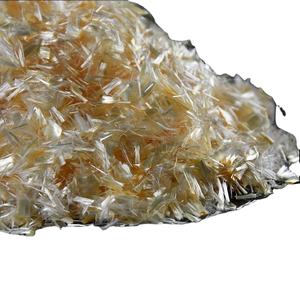
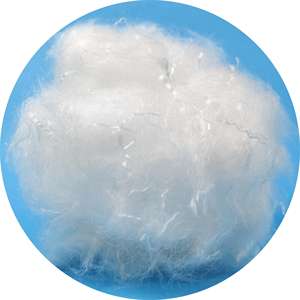
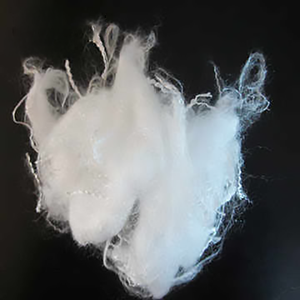
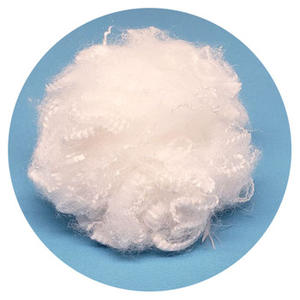
Polypropylene PP fibers offer a solution. These are very thin synthetic fibers. They are made from polypropylene plastic. They get mixed right into the wet concrete. The fibers spread out randomly throughout the mix. They form a kind of three-dimensional network inside the concrete.
This network acts like reinforcement. It holds the concrete together as it shrinks. Concrete naturally shrinks as it cures. Without fibers, this shrinkage causes stress. That stress makes micro-cracks. The PP fibers absorb this stress. They bridge across the tiny spaces where cracks want to form. They stop the cracks from happening.
Adding PP fibers improves concrete performance. It reduces plastic shrinkage cracks during curing. It minimizes drying shrinkage cracks later on. It enhances the concrete’s toughness. The concrete becomes more resistant to impact. It handles wear and tear better. It also improves resistance to freezing and thawing cycles. Water causes less damage inside. These fibers also help control dusting on the surface.
PP fibers are easy to use. They are added directly to the concrete mix during batching. They disperse well in the mix. They don’t clump together. They are compatible with all common concrete mixes. You don’t need to change your mix design much. The fibers are chemically inert. They resist alkalis in the concrete. They won’t rust like steel. They stay effective for the life of the concrete.
The fibers come in specific sizes and shapes. They have a defined length. They have a specific denier or thickness. They have a designed tensile strength. They have a certain modulus of elasticity. These specifications ensure they perform correctly. They provide the right amount of reinforcement. They prevent micro-cracks effectively. They make concrete stronger and more durable. They are a cost-effective way to improve concrete quality.
Applications of Polypropylene PP Fiber Prevent Micro Cracks From Happening in the Concrete
Polypropylene fiber helps stop tiny cracks in concrete. People call it PP fiber. It’s made from plastic. You add these small fibers to the concrete mix. The fibers mix throughout the wet concrete. They spread out evenly. Concrete often gets small cracks as it dries. This drying process is called curing. Water evaporates from the concrete. This makes the concrete shrink slightly. The shrinkage creates stress inside the slab. Tiny cracks can form because of this stress. Temperature changes also cause stress. Hot days make concrete expand. Cool nights make it shrink. This back and forth movement can cause cracks too. PP fibers work by holding the concrete together. They create a network inside the mixture. When a small crack starts to form, the fibers stop it. They bridge across the tiny gap. This bridging action prevents the crack from growing bigger. The fibers act like tiny reinforcements. They improve the concrete’s toughness. Toughness means the concrete can handle stress better. It won’t crack as easily. Using PP fiber fights against plastic shrinkage cracks. These cracks happen early, while the concrete is still wet. The fibers also help with cracks caused by drying shrinkage later on. They reduce the number and size of these cracks. This makes the concrete surface look better. It reduces the need for repairs later. The concrete lasts longer. It stays stronger. Adding PP fiber is straightforward. You just put it into the mixer with the other materials. It doesn’t change how you place the concrete much. You might even use a bit less water sometimes. The fibers help control moisture. This leads to better overall quality.
Company Profile
We are the global leader in lightweight concrete and advanced engineered foam solutions. Known globally for its commitment to research, innovation, and applied expertise, we have been providing engineered foam solutions since the early 2012’s.
We can supply high-quality concrete admixture and foam concrete related products all over the world.
The company has a professional technical department and quality supervision department, a well-equipped laboratory, and equipped with advanced testing equipment and after-sales customer service center.
If you are interested, please feel free and contact us.
Payment
T/T, Western Union, Paypal, Credit Card etc.
Shipment
By air, by sea, by express, as customers request.
5 FAQs of Polypropylene PP Fiber Prevent Micro Cracks From Happening in the Concrete
Micro cracks form in concrete as it dries and shrinks. This shrinking creates stress. The concrete sometimes cannot handle this stress alone. It cracks. These cracks are very small. They happen near the surface. Polypropylene (PP) fibers help stop these micro cracks. The fibers are mixed throughout the concrete. When the concrete tries to shrink and crack, the fibers pull back. They hold the concrete together. This reduces the number of tiny cracks. It makes the surface stronger.
PP fibers are made from a tough plastic. They get added to the concrete mix. Workers add them just like sand or gravel. The fibers spread evenly. They mix easily. No special tools are needed. The concrete looks normal after pouring. The fibers are hidden inside. They do their job unseen.
Adding PP fibers does not replace steel reinforcement. Steel rebar handles big forces. It holds large structural loads. PP fibers fight small cracks. They improve the surface quality. Use both for the best results. Steel handles heavy loads. Fibers handle shrinkage stress. They work well together.
PP fibers last a long time in concrete. They resist most chemicals found in concrete. They do not rust like steel. They stay strong for years. The concrete protects them. The fibers keep working for the life of the concrete structure. They are a permanent solution.