Professional solutions on concrete addtives, Concrete Foaming Agent, Superplasticizer, CLC Blocks Additives, and foaming machine

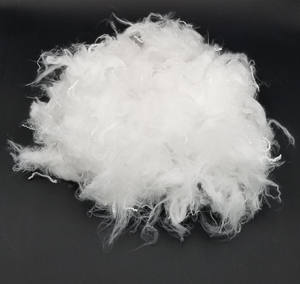
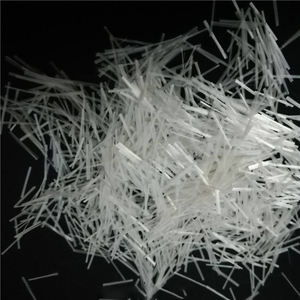
Sisal Fiber Eco-Friendly Natural Sustainable Fiber with Raw Pattern Spinning Concrete Filling Applications
PRODUCT PARAMETERS
Description
Overview of Sisal Fiber Eco-Friendly Natural Sustainable Fiber with Raw Pattern Spinning Concrete Filling Applications
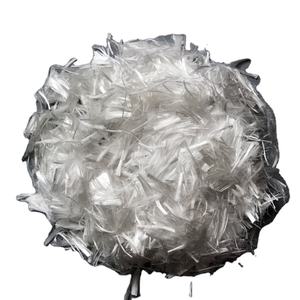
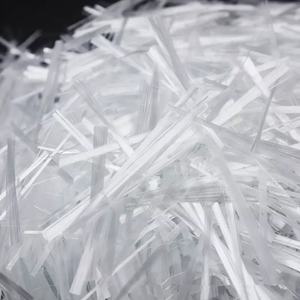
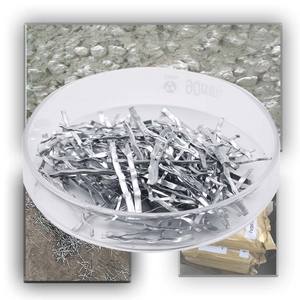
For high-impact resistance, we offer Steel Fibers, an ideal replacement for welded wire mesh in industrial floors and pre-cast elements. We also provide specialized Structural Synthetic Fibers that offer high tensile strength for demanding applications. These fibers are uniformly dispersed throughout the concrete mix, creating a multi-dimensional reinforcement network that traditional methods cannot achieve. This integrated approach simplifies construction, accelerates placement, and enhances the overall integrity and longevity of the concrete, providing a modern answer to age-old cracking and durability challenges.
Features of Sisal Fiber Eco-Friendly Natural Sustainable Fiber with Raw Pattern Spinning Concrete Filling Applications
1. Superior Crack Control and Enhanced Durability:
The primary feature of our fibers is their ability to bridge both micro-cracks that form during the plastic state and larger cracks in hardened concrete. This three-dimensional dispersion creates a more cohesive matrix that resists crack propagation. The direct benefit is a significant reduction in both plastic shrinkage cracking and long-term crack width. This leads to a much more durable concrete with lower permeability, which in turn enhances resistance to water ingress, freeze-thaw damage, and corrosion of any embedded steel. The result is a structure with a longer service life and reduced maintenance costs.
2. Increased Impact and Abrasion Resistance:
Fibers, particularly steel and robust synthetic macro fibers, dramatically improve the concrete’s toughness and post-crack performance. They absorb and distribute energy upon impact or loading. This feature provides the benefit of a more resilient surface that is less prone to spalling, chipping, and abrasion under heavy traffic or mechanical wear. This is a critical advantage for industrial floors, warehouse pavements, and infrastructure projects, leading to a harder-wearing surface that maintains its integrity over time.
3. Construction Efficiency and Cost Savings:
A key feature of using fiber reinforcement is the elimination of welded wire mesh (WWF) in many applications. This provides immense on-site benefits: it simplifies placement, as there is no mesh to be set up or potentially displaced, and it accelerates the entire construction process. By removing a labor-intensive step, projects see reduced labor costs and faster project timelines. The uniform distribution of fibers also ensures consistent reinforcement throughout the entire concrete section, unlike mesh, which can be improperly placed, leading to more reliable and predictable performance.

Specifications of Sisal Fiber Eco-Friendly Natural Sustainable Fiber with Raw Pattern Spinning Concrete Filling Applications
Sisal fiber originates from the agave plant. It is a natural plant fiber. People collect it from the leaves. This fiber is solid. It is likewise durable. Sisal is naturally degradable. It damages down normally gradually. This makes it environment-friendly. It is a sustainable selection. Growing sisal plants assists the soil. It avoids disintegration. Farmers frequently grow sisal in completely dry locations. It requires little water. This benefits the environment.
The fiber itself is long. It is generally a number of feet. The texture is coarse. It really feels rough. It has an all-natural appearance. This raw pattern is popular. It provides a rustic feel. The fiber is stiff. It has good resistance to use. It handles moisture well. It does not rot easily. Sunlight does not damage it much. Sisal fiber is solid under stress. It can hold weight. This stamina is useful.
Individuals use sisal in several means. One large use is in agriculture. It makes twine and rope. These ropes are difficult. They last a long period of time. An additional use is in rugs and rugs. The rugged structure makes long lasting flooring. They deal with heavy foot traffic. Individuals also use it for wall treatments. It provides a natural appearance.
Sisal fiber functions well in concrete also. Builders include it to concrete mixes. The fiber strengthens the concrete. It assists regulate fracturing. It makes concrete stronger. It boosts effect resistance. The fiber binds with the concrete. This creates a composite material. It benefits construction tasks needing extra toughness. The fiber works with concrete. It does not trigger troubles.
Rewriters use sisal for yarn. They rotate it into coarse strings. This thread maintains the raw, natural look. Craftspeople utilize this thread. They make baskets and mats. They weave decorative products. The thread holds its shape well. It is rigid yet workable. The all-natural color is light tan. People occasionally dye it. Yet the all-natural appearance is preferred. It fits with eco-designs.
Applications of Sisal Fiber Eco-Friendly Natural Sustainable Fiber with Raw Pattern Spinning Concrete Filling Applications
Sisal fiber comes from the agave plant’s fallen leaves. This plant grows quickly in cozy, dry places. It does not require much water or chemicals. That makes sisal fiber a great option for the atmosphere. It’s natural and sustainable. Individuals collect the leaves. After that they squash them to obtain the strong, long fibers out. These fibers are tough and last a long period of time.
One significant use is in rotating. Sisal fiber gets rotated into yarns and ropes. The spinning procedure commonly keeps the fiber’s raw look. This all-natural appearance is preferred. People like the rustic feeling. So, sisal thread makes wonderful twines, ropes for ships, and rough textiles. These ropes are really strong and stand up to salt water. That’s why angling and delivery industries use them a whole lot.
Sisal fiber also functions well blended into concrete. Building contractors include it to the concrete mix. The fibers spread via the wet concrete. When the concrete dries, the sisal fibers hold it with each other. This stops cracks from dispersing. It makes the concrete tougher. Using natural fiber like sisal is better than utilizing plastic fibers. It fits with green building ideas. Frameworks like floorings, walls, and paths obtain stronger by doing this.
Past ropes and concrete, sisal fiber has many other uses. It prevails in rugs and floor mats. These mats are hard-wearing. They deal with hefty foot website traffic well. Geotextiles are an additional area. Sisal mats aid manage soil disintegration on hills and shores. The floor coverings hold the soil in position. Plant origins expand with them. This supports the ground. Artisans likewise use sisal for crafts. They weave it into baskets, wall danglings, and decorations. The all-natural color and texture look eye-catching.
Company Profile
We are the global leader in lightweight concrete and advanced engineered foam solutions. Known globally for its commitment to research, innovation, and applied expertise, we have been providing engineered foam solutions since the early 2012’s.
We can supply high-quality concrete admixture and foam concrete related products all over the world.
The company has a professional technical department and quality supervision department, a well-equipped laboratory, and equipped with advanced testing equipment and after-sales customer service center.
If you are interested, please feel free and contact us.
Payment
T/T, Western Union, Paypal, Credit Card etc.
Shipment
By air, by sea, by express, as customers request.
5 FAQs of Sisal Fiber Eco-Friendly Natural Sustainable Fiber with Raw Pattern Spinning Concrete Filling Applications
People ask about sisal fiber. It is a natural fiber. We get it from the agave plant. This plant grows easily in warm places. Sisal is strong and lasts long. It is also rough to touch. People use it because it is good for the earth. It is a sustainable choice.
Why is sisal fiber eco-friendly? It comes from plants. These plants grow back every year. Farmers harvest the leaves. They take the fiber from the leaves. This process uses little energy. It also does not need many chemicals. Sisal plants take in carbon dioxide. This helps our air. The fiber breaks down naturally later. It does not harm the planet.
What makes sisal fiber special? It has a raw look. This gives it a natural pattern. People like this look. It feels real and earthy. Sisal is very tough. It resists damage from sun and salt water. It does not stretch much. It holds its shape well. This fiber is also safe. It does not catch fire easily.
Where do we use sisal fiber? One big use is in building. Builders mix sisal with concrete. This makes the concrete stronger. It helps stop cracks. People also make ropes and twine from sisal. It is good for carpets and mats. Its rough surface works well for floor coverings. People use it for crafts and other things needing strong fiber.
Why pick sisal over plastic fibers? Plastic fibers come from oil. Making plastic uses a lot of energy. It creates pollution. Plastic does not break down. It stays in landfills forever. Sisal is natural. It grows from the earth. It breaks down safely. Sisal is a renewable resource. We can grow more plants. Using sisal helps us use less plastic. This is better for our future.