Professional solutions on concrete addtives, Concrete Foaming Agent, Superplasticizer, CLC Blocks Additives, and foaming machine

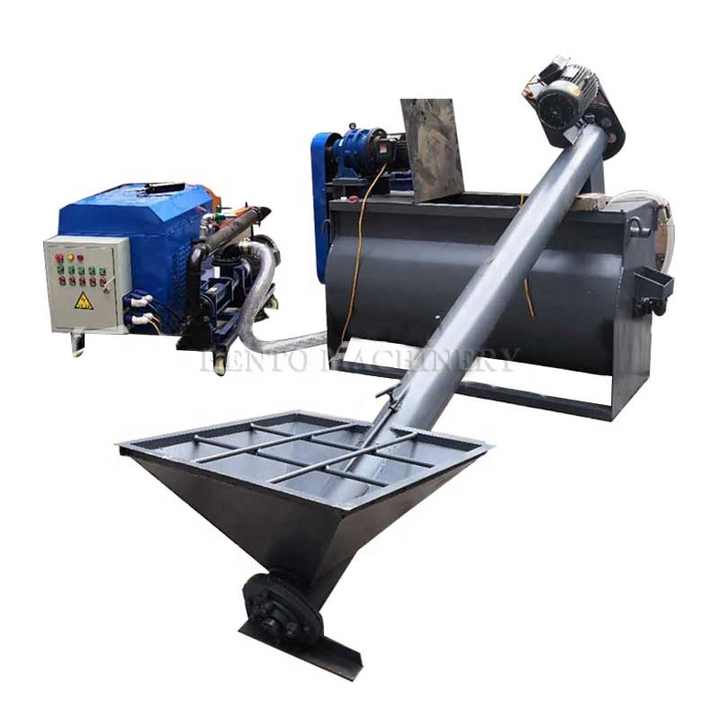
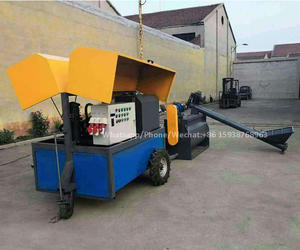
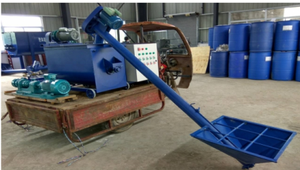
Feeder Specific for Foam Generator & Concrete Machine Line Foam Concrete Machine
PRODUCT PARAMETERS
Description
Overview of Feeder Specific for Foam Generator & Concrete Machine Line Foam Concrete Machine
Feeder Specific for Foam Generator & Concrete Machine Line Foam Concrete Machine is essential equipment for the production of foam concrete, a versatile building material used in a wide range of applications such as insulation, fireproofing, and lightweight construction. The foam generator is responsible for generating stable and consistent foam, which is mixed with cement to create foam concrete with specific properties. There are various types of foam generators, including manual, semi-automatic, and fully automatic models, each suitable for different production scales and material requirements. Proper maintenance and calibration of the generator are essential to ensure foam stability and mix uniformity. By choosing the right generator, manufacturers can ensure efficient production of high-quality foam concrete, meeting industry standards and customer needs.
Characteristics of Feeder Specific for Foam Generator & Concrete Machine Line Foam Concrete Machine
High Foam Stability: Equipped with advanced foam-making technology, these generators produce stable, consistent foam, ensuring uniformity in the foam concrete mixture. This leads to better performance and durability of the final product.
Wide Foam Density Range: Concrete foam generators can produce a wide range of foam densities, from low-density foam for lightweight insulation panels to high-density foam for structural applications. This flexibility allows users to tailor foam concrete to their specific needs.
High Efficiency: Designed to optimize foam production, these generators deliver high output with minimal energy consumption. This makes them ideal for large-scale industrial production while maintaining cost-effectiveness.
Multiple Control Modes: Many foam generators offer adjustable control modes, such as manual, semi-automatic, or fully automatic operation. These modes can be selected based on production requirements and operator preference, ensuring precise control over foam quality.
Easy Operation and Maintenance: Concrete foam generators are designed with user-friendly interfaces and easy-to-follow instructions, making them simple to operate. Regular maintenance requirements are minimal, ensuring long-term, hassle-free performance.
Compact Design: Despite their powerful capabilities, these foam generators are typically compact and easy to install in existing production lines, optimizing space in industrial environments.
Durability and Reliability: Constructed from high-quality materials, concrete foam generators are built for long-term reliability and robust performance, even in demanding industrial environments. This ensures consistent output and reduced downtime.
Customizable Foam Output: The foam output can be adjusted according to the required consistency and volume, offering users the flexibility to meet varying production demands.
Environmental Friendly: Foam concrete production with these generators is environmentally friendly due to reduced energy usage and the ability to recycle waste materials, contributing to a more sustainable construction process.
Safety Features: Equipped with built-in safety measures, including overload protection, automatic shut-off functions, and fault detection alarms, concrete foam generators ensure safe operation and prevent damage during unexpected conditions.

Specification of Feeder Specific for Foam Generator & Concrete Machine Line Foam Concrete Machine
This feeder device is made for foam generators and concrete equipment lines. It handles the liquid representative needed for foam concrete production. The foam requires the appropriate mix. Our feeder provides this consistently. This guarantees secure foam quality every time.
The feeder utilizes accurate determining technology. It regulates the flow price properly. This accuracy stops waste. It additionally stops problems with foam thickness. You get trusted outcomes set after set.
The building and construction is durable. It utilizes materials immune to chemicals. These products manage laborious website conditions. They also stand up to corrosion from the liquid representative. This means the feeder lasts longer. You avoid constant replacements.
Installment is straightforward. The unit links easily to existing foam generators. It fits basic concrete assembly line. Setup time is very little. You rise and running fast. Operation is easy too. The controls are user-friendly. Modifications fast and very easy.
This feeder enhances your foam concrete process. It ensures consistent representative mixing. It decreases material waste. It lowers the possibility of production line blockages. Your general effectiveness rises. Upkeep demands are reduced. Cleaning is straightforward. This saves you effort and time. The feeder is a trustworthy part of your arrangement.
Applications of Feeder Specific for Foam Generator & Concrete Machine Line Foam Concrete Machine
Foam concrete is a popular structure product. It is lightweight and has excellent insulation homes. Making foam concrete requires a special maker. This maker consists of a foam generator. The foam generator creates the bubbles. These bubbles provide foam concrete its lightweight.
A feeder is a key component of the foam generator. The feeder’s work is easy yet essential. It regulates the flow of fluid concentrate into the generator. The concentrate is the stuff that makes the foam. Getting the right amount of concentrate is critical. Too much concentrate makes the foam too wet. Inadequate concentrate makes the foam weak or unsteady. The feeder guarantees the concentrate streams steadily and properly.
Reliable feeding causes regular foam quality. Good foam suggests good foam concrete. The concrete mix requires steady foam bubbles. These bubbles impact the end product’s toughness and density. A constant feeder helps stay clear of troubles. Troubles like collapsing foam or irregular thickness occur without excellent feeding. The feeder works with the concrete device line. It incorporates smoothly into the manufacturing process.
Operators require precise control over the foam. The feeder gives them this control. They can change the feed rate quickly. This modification transforms the foam thickness as needed for various jobs. Various work call for different foam kinds. A trustworthy feeder keeps the whole line running efficiently. It reduces waste and improves performance. Consistent feeding conserves product and time.
Company Profile
We are the global leader in lightweight concrete and advanced engineered foam solutions. Known globally for its commitment to research, innovation, and applied expertise, we have been providing engineered foam solutions since the early 2012’s.
We can supply high-quality concrete admixture and foam concrete related products all over the world.
The company has a professional technical department and quality supervision department, a well-equipped laboratory, and equipped with advanced testing equipment and after-sales customer service center.
If you are interested, please feel free and contact us.
Payment
T/T, Western Union, Paypal, Credit Card etc.
Shipment
By air, by sea, by express, as customers request.
5 FAQs of Feeder Specific for Foam Generator & Concrete Machine Line Foam Concrete Machine
What is the feeder for in a foam concrete machine?
The feeder moves the foam concentrate into the mixing area. It ensures the concentrate gets added at the right time and in the right amount. This step is crucial for making consistent foam concrete.
Why is the feeder so important?
The feeder controls the foam concentrate flow precisely. Wrong amounts or bad timing messes up the foam. Bad foam ruins the concrete’s strength and lightness. A good feeder keeps the mix uniform.
What types of feeders are used?
Common types are screw feeders and pump feeders. Screw feeders use a rotating screw to push material. Pump feeders use pressure to move liquid concentrate. The choice depends on the concentrate type and the machine setup.
How do you keep the feeder working well?
Check the feeder regularly. Clean it often to stop material buildup and blockages. Look for wear on moving parts like screws or seals. Replace worn parts quickly. Lubricate parts if the manual says to. This prevents breakdowns.
What problems happen with feeders?
Feeders can clog, especially if the concentrate is thick or dirty. Parts can wear out over time. Motors or drives might fail. Leaks can happen. Fixing these fast stops bigger machine problems. Always check the feeder if the foam looks wrong.