Professional solutions on concrete addtives, Concrete Foaming Agent, Superplasticizer, CLC Blocks Additives, and foaming machine

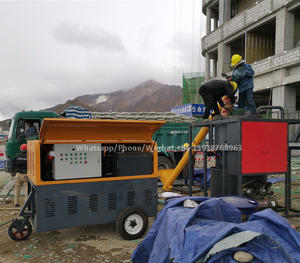
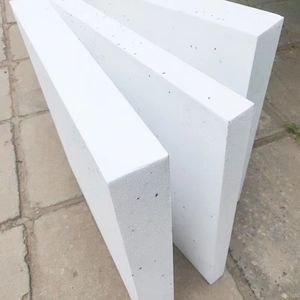
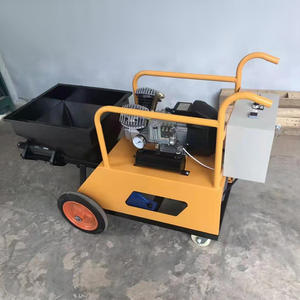
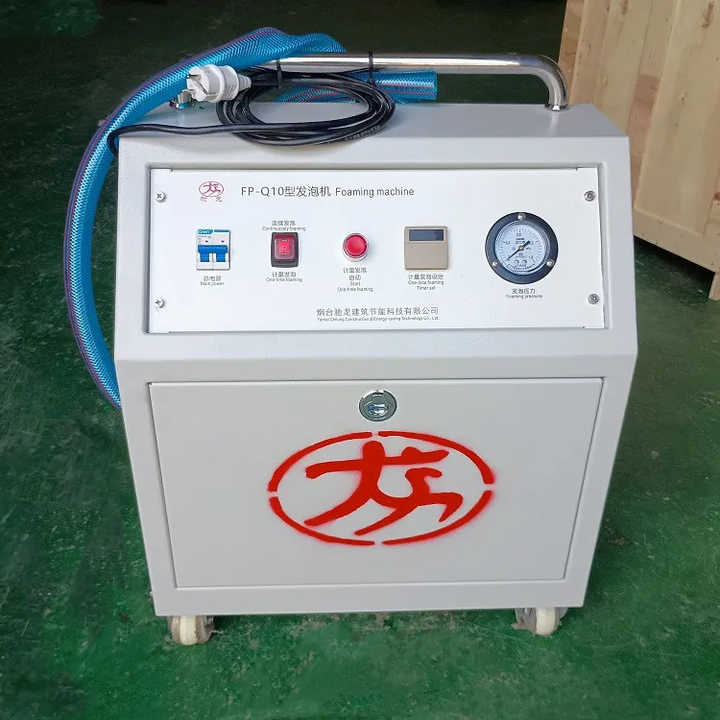
In Stock Cement Foaming Machine Foam Concrete Machine Concrete Foaming Equipment
PRODUCT PARAMETERS
Description
Overview of In Stock Cement Foaming Machine Foam Concrete Machine Concrete Foaming Equipment
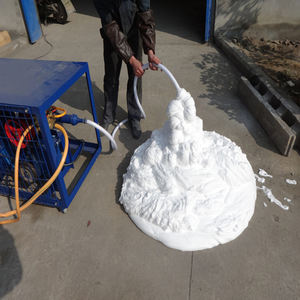
In Stock Cement Foaming Machine Foam Concrete Machine Concrete Foaming Equipment is essential equipment for the production of foam concrete, a versatile building material used in a wide range of applications such as insulation, fireproofing, and lightweight construction. The foam generator is responsible for generating stable and consistent foam, which is mixed with cement to create foam concrete with specific properties. There are various types of foam generators, including manual, semi-automatic, and fully automatic models, each suitable for different production scales and material requirements. Proper maintenance and calibration of the generator are essential to ensure foam stability and mix uniformity. By choosing the right generator, manufacturers can ensure efficient production of high-quality foam concrete, meeting industry standards and customer needs.
Characteristics of In Stock Cement Foaming Machine Foam Concrete Machine Concrete Foaming Equipment
High Foam Stability: Equipped with advanced foam-making technology, these generators produce stable, consistent foam, ensuring uniformity in the foam concrete mixture. This leads to better performance and durability of the final product.
Wide Foam Density Range: Concrete foam generators can produce a wide range of foam densities, from low-density foam for lightweight insulation panels to high-density foam for structural applications. This flexibility allows users to tailor foam concrete to their specific needs.
High Efficiency: Designed to optimize foam production, these generators deliver high output with minimal energy consumption. This makes them ideal for large-scale industrial production while maintaining cost-effectiveness.
Multiple Control Modes: Many foam generators offer adjustable control modes, such as manual, semi-automatic, or fully automatic operation. These modes can be selected based on production requirements and operator preference, ensuring precise control over foam quality.
Easy Operation and Maintenance: Concrete foam generators are designed with user-friendly interfaces and easy-to-follow instructions, making them simple to operate. Regular maintenance requirements are minimal, ensuring long-term, hassle-free performance.
Compact Design: Despite their powerful capabilities, these foam generators are typically compact and easy to install in existing production lines, optimizing space in industrial environments.
Durability and Reliability: Constructed from high-quality materials, concrete foam generators are built for long-term reliability and robust performance, even in demanding industrial environments. This ensures consistent output and reduced downtime.
Customizable Foam Output: The foam output can be adjusted according to the required consistency and volume, offering users the flexibility to meet varying production demands.
Environmental Friendly: Foam concrete production with these generators is environmentally friendly due to reduced energy usage and the ability to recycle waste materials, contributing to a more sustainable construction process.
Safety Features: Equipped with built-in safety measures, including overload protection, automatic shut-off functions, and fault detection alarms, concrete foam generators ensure safe operation and prevent damage during unexpected conditions.

Specification of In Stock Cement Foaming Machine Foam Concrete Machine Concrete Foaming Equipment
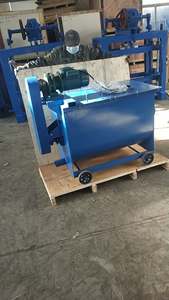
This machine makes foam concrete. It mixes cement, water, and foam together. The foam comes from its own generator. This foam generator is a key part. It makes stable foam consistently. You connect the machine to water and air. You also need electricity to run it. The machine usually runs on standard power. It doesn’t need very high voltage. Its output is good for many jobs. It can produce enough concrete for building walls or filling trenches. You control the foam density easily. This means you can make lightweight concrete or stronger mixes. The machine handles common cement types well. It also works with standard foaming agents. The machine is built to last. Its parts resist wear. You can move it around a job site. It has wheels or handles for this. Setting it up is straightforward. You connect the hoses, plug it in, and start. Training needed is minimal. Workers learn to operate it fast. It saves labor on construction projects. The machine makes insulating fill or structural lightweight concrete.
Applications of In Stock Cement Foaming Machine Foam Concrete Machine Concrete Foaming Equipment
In stock cement foining machines make foam concrete. They mix foam into cement slurry. This creates a lightweight material. Foam concrete machines are important tools. They produce this special concrete efficiently.
One big use is insulation. Foam concrete is very light. It traps heat well. Builders use it in walls and floors. It keeps buildings warm in winter. It keeps them cool in summer. This saves energy.
Another use is filling gaps. Foam concrete flows easily. It fills empty spaces underground. It fills trenches for pipes and cables. It fills old tunnels. This material hardens quickly. It provides strong support. It prevents ground settling.
Lightweight filling is another application. Foam concrete weighs much less than normal concrete. Builders use it to fill areas needing less weight. Examples are old septic tanks. Examples are unused basements. It reduces pressure on the ground below.
Soundproofing is possible too. Foam concrete absorbs noise well. Builders use it in walls between apartments. They use it in floors between levels. It makes rooms quieter.
Roof slopes are often made with foam concrete. Builders pour it onto flat roofs. They shape it into a gentle slope. This helps rainwater drain away. It prevents leaks and ponding.
Foam concrete works well for bridge approaches. Builders fill the ground behind bridge supports with it. The low weight prevents sinking. It keeps the bridge stable.
These machines offer many advantages. They save material. They save labor. They work fast. The foam concrete sets quickly. Builders get the job done faster. It costs less than traditional methods.
Many industries use these machines. Construction companies use them daily. Infrastructure projects rely on them. Renovation crews find them helpful. They are vital for modern building.
Company Profile
We are the global leader in lightweight concrete and advanced engineered foam solutions. Known globally for its commitment to research, innovation, and applied expertise, we have been providing engineered foam solutions since the early 2012’s.
We can supply high-quality concrete admixture and foam concrete related products all over the world.
The company has a professional technical department and quality supervision department, a well-equipped laboratory, and equipped with advanced testing equipment and after-sales customer service center.
If you are interested, please feel free and contact us.
Payment
T/T, Western Union, Paypal, Credit Card etc.
Shipment
By air, by sea, by express, as customers request.
5 FAQs of In Stock Cement Foaming Machine Foam Concrete Machine Concrete Foaming Equipment
What is a cement foaming machine?
A cement foaming machine mixes cement, water, and a special foaming agent. It pumps air into the mixture. This creates many tiny bubbles. The result is foam concrete. Foam concrete is lightweight. It is also good for insulation.
What materials work with this machine?
The machine works with regular Portland cement. You use water. You need a specific foaming agent. Some machines can handle light aggregates. These might be fly ash or sand. Always check the machine’s specs. Make sure your materials are compatible.
How much foam concrete can it make?
Production speed depends on the machine model. Smaller units make maybe 1-2 cubic meters per hour. Bigger industrial machines make much more. Think 10-20 cubic meters per hour. Check the machine’s rating. Match it to your project size.
Is it hard to operate?
Modern machines aim for simplicity. They often have clear controls. Basic training is usually enough. Operators learn the mixing ratios. They learn pump settings. They learn safety steps. Read the manual first. Follow the instructions carefully.
What about maintenance and support?
Regular cleaning is key. Flush the system after use. Check hoses and pumps often. Look for wear. Many suppliers offer spare parts. Some provide technical support. Ask about service options before you buy. Keep contact information handy.