Professional solutions on concrete addtives, Concrete Foaming Agent, Superplasticizer, CLC Blocks Additives, and foaming machine

Air-Entrance Agent for Concrete
PRODUCT PARAMETERS
Description
Overview of Air-Entrance Agent for Concrete
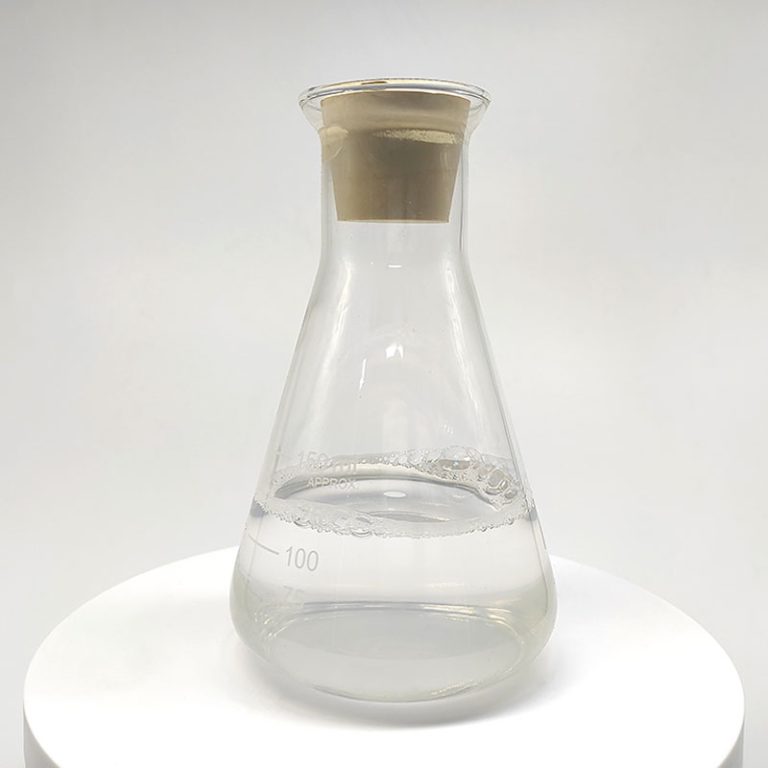
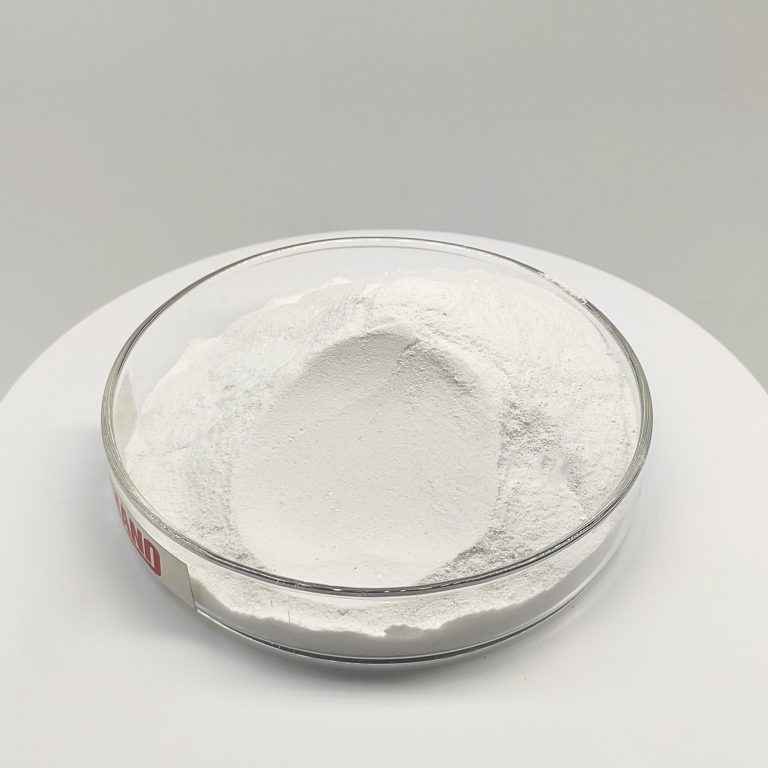
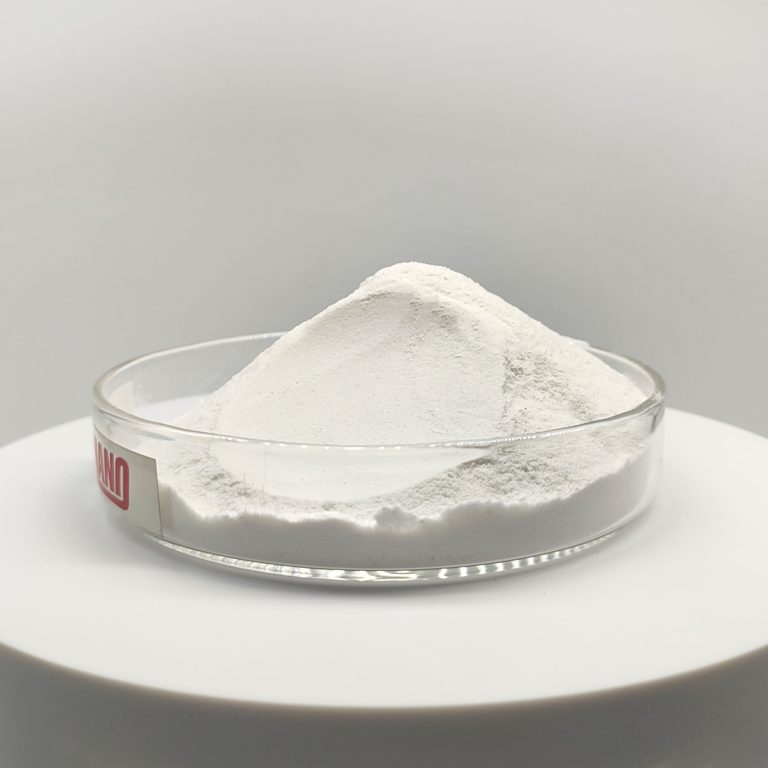
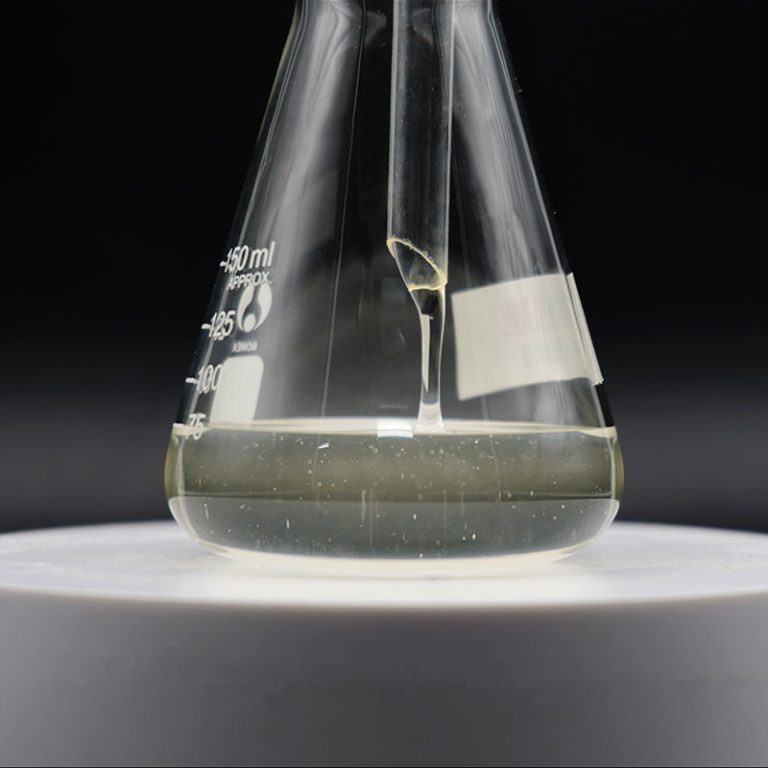
Air-Entrance Agent for Concrete is a surfactant that generates large quantities of uniform, stable foam through physical or chemical means. When this foam is thoroughly mixed with cement-based slurry (cement, fly ash, etc.) and cured naturally or with steam, it forms a novel lightweight material—foam concrete—internally filled with numerous closed air cells.
Features of Air-Entrance Agent for Concrete
1. High Foam Multiplication Ratio: High foam multiplication ratio allows for dilution before use. One kilogram of concentrate generates a large volume of uniform foam, delivering significant cost savings.
2. Strong Foam Stability: Produces resilient, uniformly fine foam walls that resist collapse or breakage. Effectively withstands pressure from cement slurry, ensuring independent and sealed air cells within the finished product.
3. Uniform and Fine Pore Structure: The foam concrete exhibits an ideal internal structure of closed spherical micro-pores, guaranteeing superior physical properties.
4. Low Material Consumption: Achieves equivalent density and strength grades with lower dosage than standard market products, reducing costs.
5. Eco-friendly and safe: Neutral formulation, non-toxic, odorless, and non-corrosive, posing no harm to the environment or human health. Classified as a green building material.
6. Wide adaptability: Excellent compatibility with various cements (including ordinary Portland cement and aluminate cement) and admixtures. Rapid foaming action with extended foam stability.

Specification of Air-Entrance Agent for Concrete
Air-entraining agents are unique chemicals added to concrete. They help develop tiny air bubbles inside the mix. These bubbles are extremely tiny and spread throughout the concrete. This process is crucial for concrete toughness.
The primary task is enhancing freeze-thaw resistance. Water caught in concrete expands when it ices up. This growth can create cracking and damages. The small air bubbles act like relief valves. The broadening ice pushes right into these empty spaces instead of damaging the concrete. This stops internal pressure accumulation. The concrete lasts much longer in winter.
These agents additionally make the concrete mix much easier to collaborate with. They enhance the uniformity. The mix flows better and is much less sticky. Employees discover it much easier to position and finish the concrete. This causes a smoother surface. It likewise aids protect against segregation where products separate.
You add air-entraining representatives throughout batching. They come as liquid admixtures. The dosage is crucial. Adding too little representative will not produce sufficient bubbles. Adding excessive creates too many bubbles. This compromises the concrete strength. Follow the supplier’s directions thoroughly. Action the dose based upon the concrete weight.
Evaluating the air material is necessary. Do this right after blending the concrete. Typical examinations measure the air percentage in the fresh mix. Changes could be needed based upon the results. The target air content depends upon the project. Harsher freeze-thaw conditions require higher air web content. Normal arrays are between 4% and 7% air by quantity.
The high quality of the bubbles issues. They need to be tiny and very closely spaced. Good representatives produce millions of tiny bubbles per cubic foot. These bubbles ought to be steady. They need to survive the blending and placing process. Appropriately entrained air substantially enhances concrete efficiency. It protects against freeze-thaw damages. It enhances workability and finishability.
Applications of Air-Entrance Agent for Concrete
Air-entraining representatives are unique ingredients for concrete. They produce little air bubbles throughout the mix. These tiny bubbles are really essential. They make concrete a lot more powerful versus freezing and thawing. Water expands when it ices up. Without these air bubbles, this cold water can crack the concrete. The bubbles offer the expanding ice area to go. This protects against damages. This is crucial in cooler climates.
These agents also make the concrete easier to work with. The mix becomes smoother and extra workable. Employees can place and finish it better. This results in a nicer looking surface area with less issues. The bubbles additionally assist protect against issues like bleeding and segregation. Bleeding is when water climbs to the top. Segregation is when the mix separates. The bubbles help wait with each other. This improves the overall top quality.
Including an air-entraining representative occurs throughout the blending process. The right amount is crucial. Insufficient representative won’t offer adequate protection. Way too much agent can weaken the concrete. Correct application is vital permanently results. Evaluating the air content is conventional technique on work sites. This guarantees the mix has the appropriate bubble structure. Utilizing these agents properly provides reputable, sturdy concrete. They are crucial for several projects, especially outdoors or in freeze-prone areas.
Company Profile
We are the global leader in lightweight concrete and advanced engineered foam solutions. Known globally for its commitment to research, innovation, and applied expertise, we have been providing engineered foam solutions since the early 2012’s.
We can supply high-quality concrete admixture and foam concrete related products all over the world.
The company has a professional technical department and quality supervision department, a well-equipped laboratory, and equipped with advanced testing equipment and after-sales customer service center.
If you are interested, please feel free and contact us.
Payment
T/T, Western Union, Paypal, Credit Card etc.
Shipment
By air, by sea, by express, as customers request.
5 FAQs of Air-Entrance Agent for Concrete
What is an air-entraining agent? It’s a special chemical added to concrete. This chemical helps create many tiny air bubbles inside the concrete mix. These bubbles are very small, like microscopic. You add it to the concrete when mixing.
Why do we need air-entraining agents? The main reason is freeze-thaw protection. Concrete can crack when water inside freezes and expands. The tiny air bubbles give that expanding water a place to go. This protects the concrete. It stops the concrete surface from breaking apart.
How does an air-entraining agent work? The agent acts like a soap. It reduces the surface tension of the water in the mix. This lets air get trapped easily when mixing. The agent coats the air bubbles. This coating makes the bubbles stable. They don’t disappear. They stay evenly spread throughout the concrete.
Are there other benefits? Yes, definitely. Besides freeze-thaw protection, these agents improve workability. The concrete feels smoother and easier to place. It also helps reduce bleeding. Bleeding is when water rises to the surface. Less bleeding means a better finish. Sometimes it helps with pumping concrete too.
How is it used? You add the air-entraining agent to the concrete mix during batching. You follow the manufacturer’s dosage instructions carefully. Adding too much is bad. Too much air weakens the concrete. You must measure the air content in the fresh mix. You use tools like an air meter. This ensures you have the right amount of bubbles.