Professional solutions on concrete addtives, Concrete Foaming Agent, Superplasticizer, CLC Blocks Additives, and foaming machine

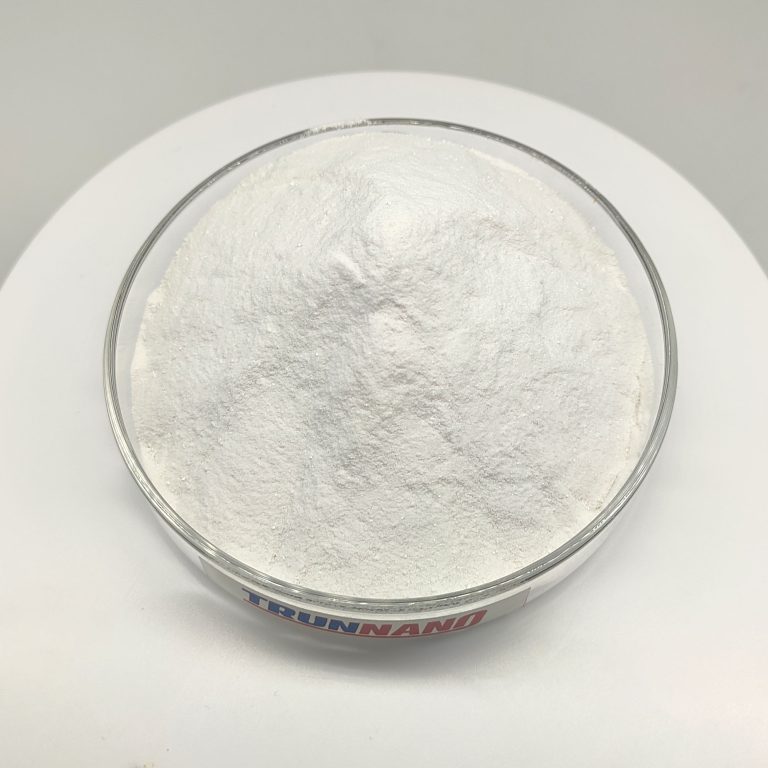
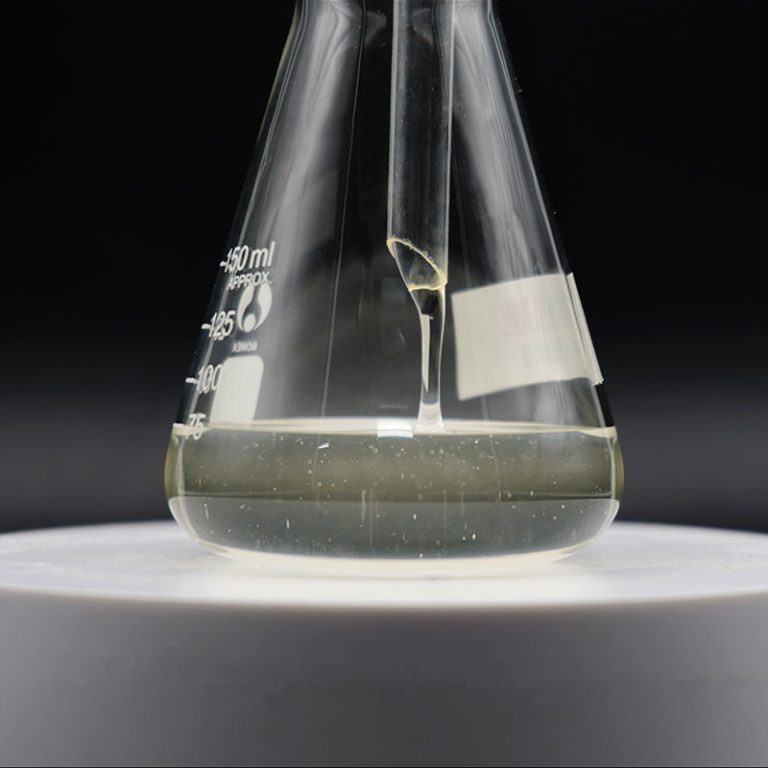
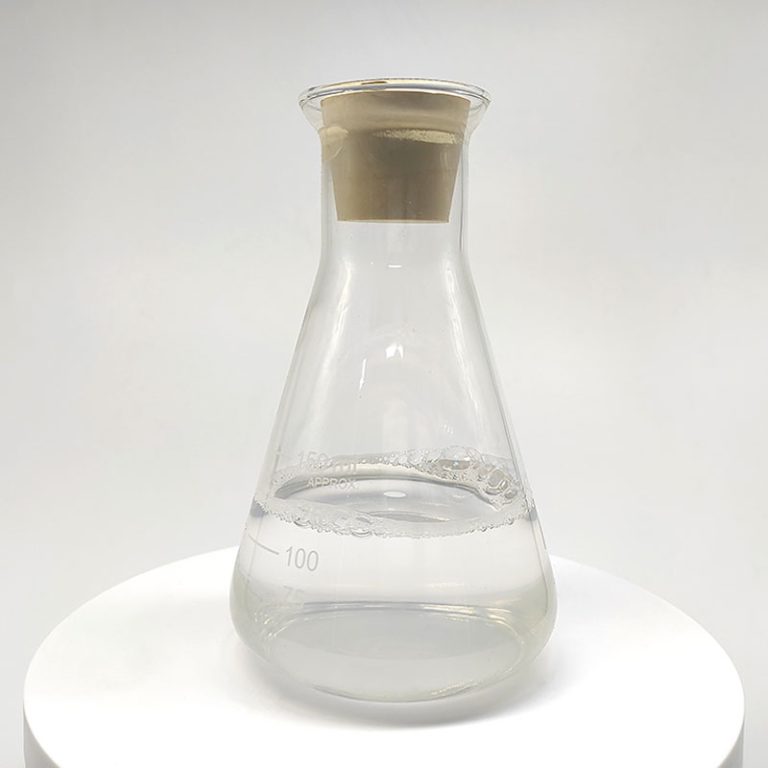
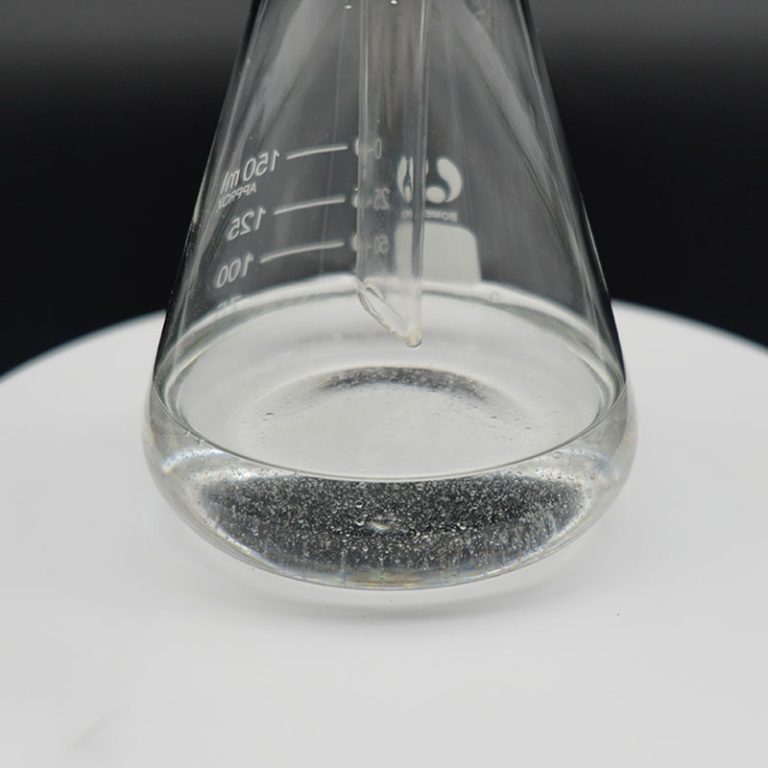
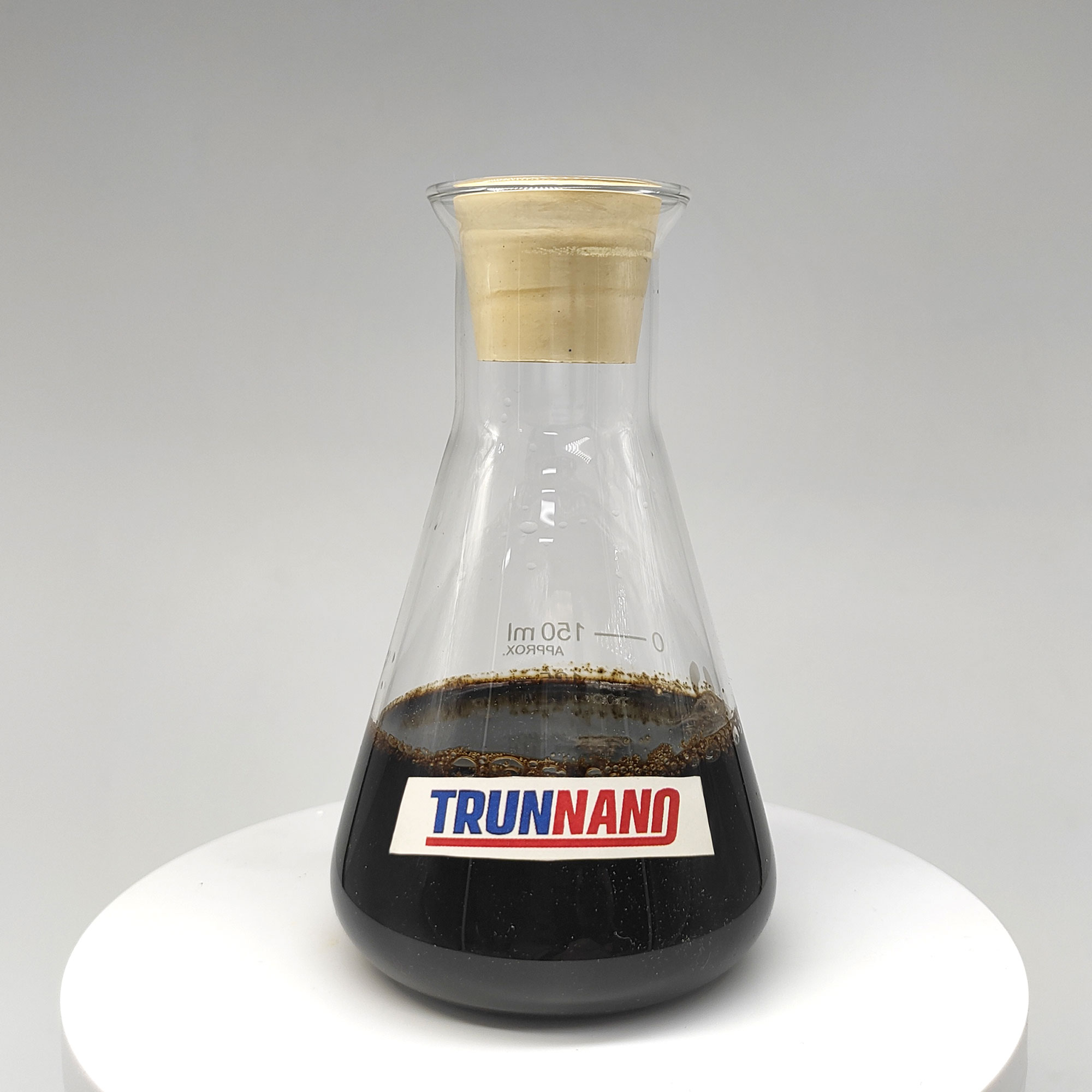
Concrete Expansion Agent Light Weight Concrete Foam Agent
PRODUCT PARAMETERS
Description
Overview of Concrete Expansion Agent Light Weight Concrete Foam Agent
Concrete Expansion Agent Light Weight Concrete Foam Agent is a surfactant that generates large quantities of uniform, stable foam through physical or chemical means. When this foam is thoroughly mixed with cement-based slurry (cement, fly ash, etc.) and cured naturally or with steam, it forms a novel lightweight material—foam concrete—internally filled with numerous closed air cells.
Features of Concrete Expansion Agent Light Weight Concrete Foam Agent
1. High Foam Multiplication Ratio: High foam multiplication ratio allows for dilution before use. One kilogram of concentrate generates a large volume of uniform foam, delivering significant cost savings.
2. Strong Foam Stability: Produces resilient, uniformly fine foam walls that resist collapse or breakage. Effectively withstands pressure from cement slurry, ensuring independent and sealed air cells within the finished product.
3. Uniform and Fine Pore Structure: The foam concrete exhibits an ideal internal structure of closed spherical micro-pores, guaranteeing superior physical properties.
4. Low Material Consumption: Achieves equivalent density and strength grades with lower dosage than standard market products, reducing costs.
5. Eco-friendly and safe: Neutral formulation, non-toxic, odorless, and non-corrosive, posing no harm to the environment or human health. Classified as a green building material.
6. Wide adaptability: Excellent compatibility with various cements (including ordinary Portland cement and aluminate cement) and admixtures. Rapid foaming action with extended foam stability.

Specification of Concrete Expansion Agent Light Weight Concrete Foam Agent
Concrete growth agents, additionally called lightweight concrete foam representatives, produce air bubbles inside concrete blends. These bubbles make the concrete lighter and enhance its insulation. You include the representative during the blending process. It responds with water and cement to generate stable, small air pockets. This procedure is called frothing.
The primary objective is minimizing the concrete’s weight. This agent substantially lowers the thickness contrasted to regular concrete. Lighter concrete methods much less lots on structures. It is simpler to handle and deliver. Building contractors value this weight decrease.
The foam agent also improves thermal and audio insulation. The air pockets act as obstacles. Heat and noise do not go through easily. This makes the concrete better for energy-efficient buildings. It assists keep areas warmer in winter season and cooler in summertime.
Stamina remains important. Excellent foam representatives develop strong bubbles that do not collapse easily. The concrete maintains its required stamina for the job. It still sustains weight efficiently. The representative makes sure the bubbles are uniformly spread out throughout the mix. This uniform distribution is key for regular efficiency.
Utilizing the agent is straightforward. You mix it with water first, creating a foam slurry. Then you include this slurry to the main concrete mix. Comply with the producer’s guidelines for the correct amount. Inadequate agent offers weak foam. Way too much can weaken the concrete framework. Appropriate dosing is vital.
This lightweight concrete is very valuable. Contractors use it for roofing insulation, floor progressing, and filling spaces. It is exceptional for tunnel backfilling and roadway sub-base layers. The material moves well and fills uncomfortable rooms. You can pump it easily. It conserves time and labor on website.
Applications of Concrete Expansion Agent Light Weight Concrete Foam Agent
Concrete development representatives make light-weight concrete. This foam agent creates tiny air bubbles inside the concrete mix. The bubbles make the concrete much lighter. Lighter concrete is less complicated to manage. It puts less stress on structures. This is good for buildings.
The agent expands when blended with water and concrete. This development occurs early. It develops the foam framework. The foam decreases the concrete’s weight considerably. You get a strong material without the hefty weight. This conserves cash on materials. It conserves money on transport also.
This lightweight concrete works well for lots of work. It’s superb for roof insulation. The lightweight is safe for roofing system decks. It offers excellent thermal insulation. This maintains buildings warmer in wintertime. It keeps them cooler in summertime. You reduce energy prices.
Filling up spaces is an additional essential usage. Workers load gaps under roads or slabs. They load passages or abandoned pipes. The moving concrete loads every area. It solidifies right into a strong mass. This prevents settling later. It maintains the ground.
Building dividing walls benefits too. Lightweight concrete is best for non-load bearing walls. It lowers the overall structure weight. This is critical for high buildings. Workers mount the wall surfaces quicker. The product is easier to cut and shape.
Soundproofing requirements this concrete. The air bubbles take in sound waves. Wall surfaces and floorings made with it obstruct sound. This develops quieter homes and offices. Manufacturing facilities utilize it to have device noise.
Landscaping tasks use it. Develop fabricated slopes or light-weight yard features. The product is simple to area. It will not penetrate soft ground. Attractive elements stay in area.
Repairing old frameworks uses this foam concrete. Patch damaged roads or bridge strategies. Fill eroded areas behind preserving walls. The material bonds well with old concrete. It’s long lasting and lasting.
The foam agent is straightforward to use. Add it to the mix design. Adhere to the supplier’s directions. You get regular bubble development. You get reliable light-weight concrete whenever. This improves construction performance. It reduces job costs on the whole. Home builders attain far better outcomes much faster.
Company Profile
We are the global leader in lightweight concrete and advanced engineered foam solutions. Known globally for its commitment to research, innovation, and applied expertise, we have been providing engineered foam solutions since the early 2012’s.
We can supply high-quality concrete admixture and foam concrete related products all over the world.
The company has a professional technical department and quality supervision department, a well-equipped laboratory, and equipped with advanced testing equipment and after-sales customer service center.
If you are interested, please feel free and contact us.
Payment
T/T, Western Union, Paypal, Credit Card etc.
Shipment
By air, by sea, by express, as customers request.
5 FAQs of Concrete Expansion Agent Light Weight Concrete Foam Agent
What is a concrete expansion foam agent?
This agent makes lightweight concrete. You add it to your concrete mix. It creates tiny air bubbles inside. This expands the concrete volume. The concrete becomes much lighter too.
How does it create foam in concrete?
The agent contains special chemicals. These chemicals react with water. They produce gas bubbles when mixed. The bubbles get trapped in the concrete paste. This makes the hardened concrete full of air pockets. The air pockets make it light and insulating.
What are the main benefits of using this agent?
Lightweight concrete is much easier to handle. It puts less load on structures. The air pockets give excellent heat and sound insulation. Using this agent can save material costs. Less base concrete is needed for the same volume.
How do you mix it correctly?
Follow the supplier’s instructions precisely. Measure the agent carefully. Add it to the mixing water first. Blend it thoroughly before adding cement and aggregates. Mixing time is critical. Get the mixing time right for even foam distribution. Incorrect mixing causes weak spots or collapse.
Where is lightweight foam concrete typically used?
It is perfect for insulating roof screeds and floor toppings. It fills old tanks or unused pipes easily. Backfilling trenches is another common job. It works well for void filling under slabs. Building lightweight blocks and panels uses it too. It suits projects needing lower weight and better insulation.