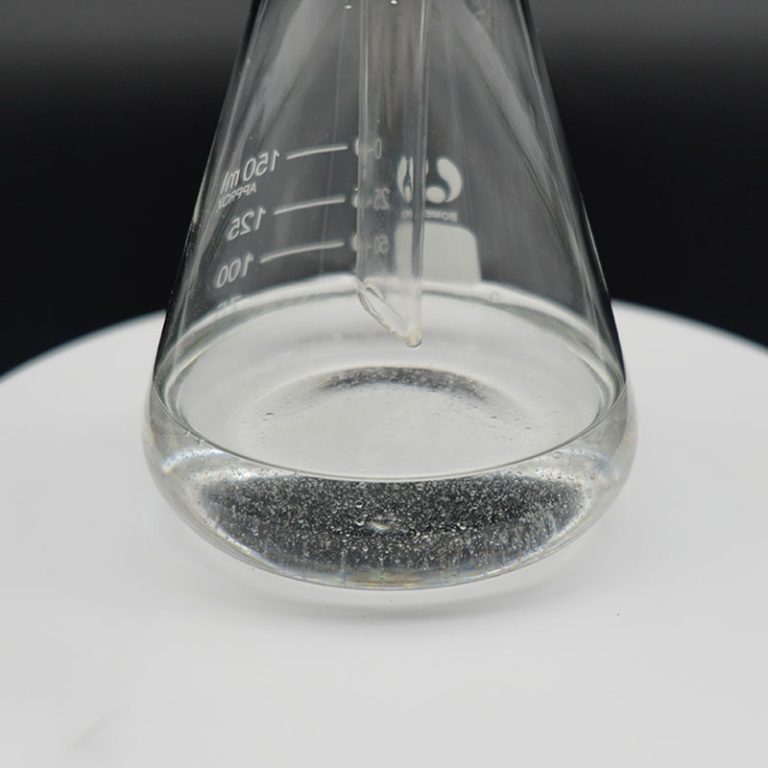
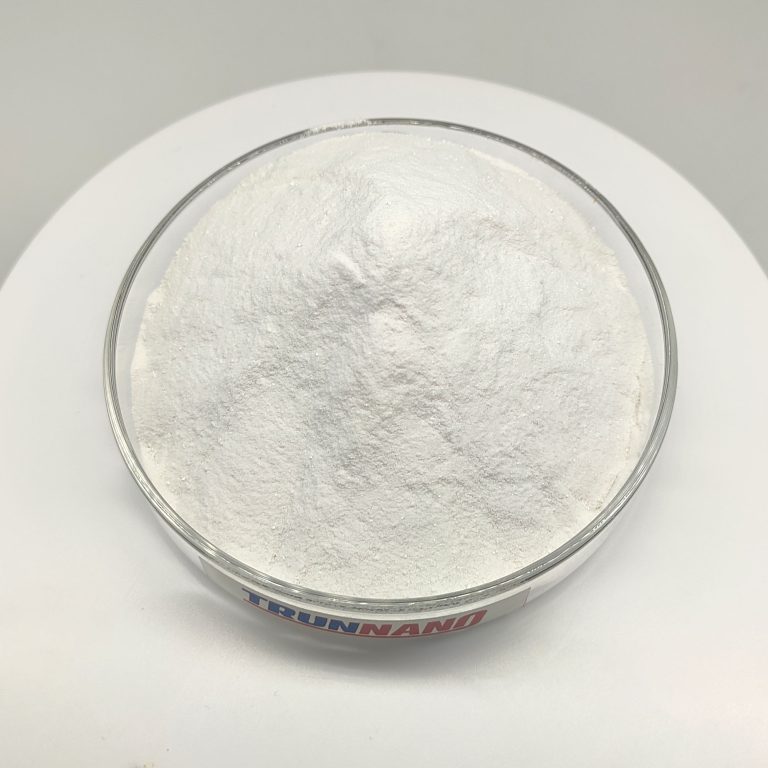
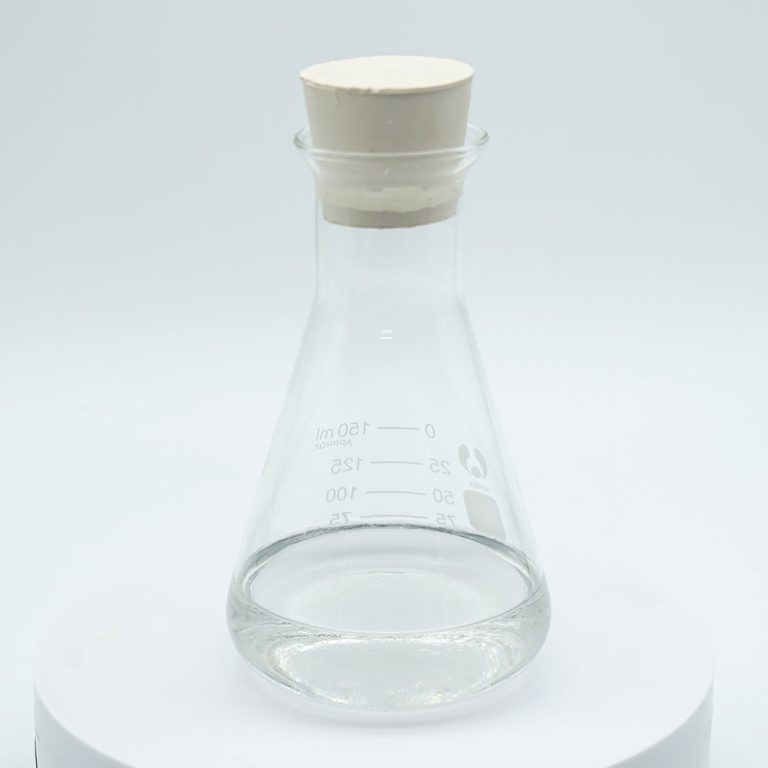
Professional solutions on concrete addtives, Concrete Foaming Agent, Superplasticizer, CLC Blocks Additives, and foaming machine

Liquid foaming agent, surfactant, building cement, concrete foaming agent, washing, daily chemical raw materials
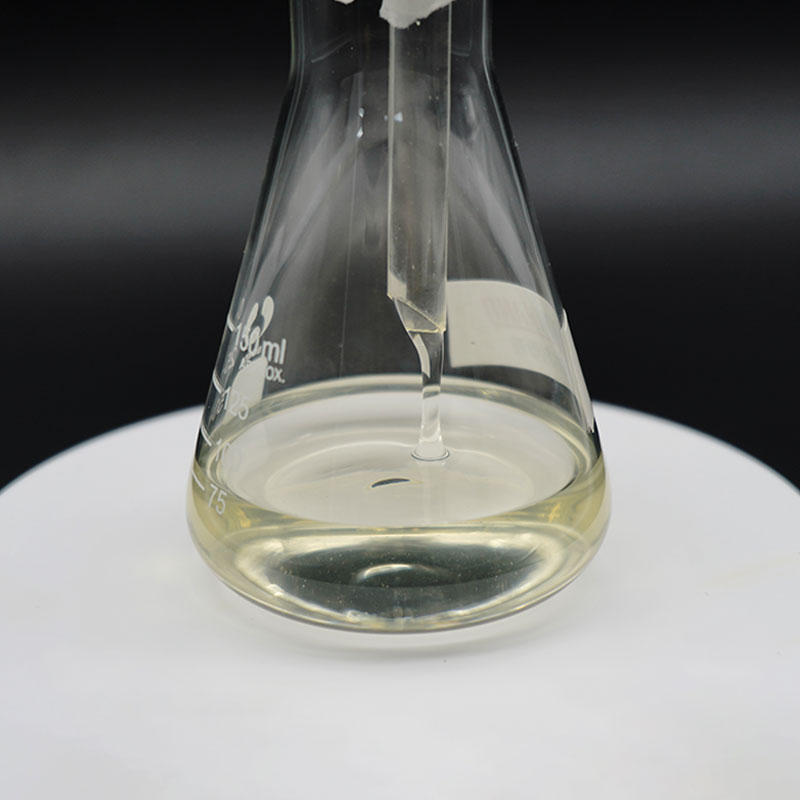
PRODUCT PARAMETERS
Description
Overview of Liquid foaming agent, surfactant, building cement, concrete foaming agent, washing, daily chemical raw materials
Liquid foaming agent, surfactant, building cement, concrete foaming agent, washing, daily chemical raw materials is a surfactant that generates large quantities of uniform, stable foam through physical or chemical means. When this foam is thoroughly mixed with cement-based slurry (cement, fly ash, etc.) and cured naturally or with steam, it forms a novel lightweight material—foam concrete—internally filled with numerous closed air cells.
Features of Liquid foaming agent, surfactant, building cement, concrete foaming agent, washing, daily chemical raw materials
1. High Foam Multiplication Ratio: High foam multiplication ratio allows for dilution before use. One kilogram of concentrate generates a large volume of uniform foam, delivering significant cost savings.
2. Strong Foam Stability: Produces resilient, uniformly fine foam walls that resist collapse or breakage. Effectively withstands pressure from cement slurry, ensuring independent and sealed air cells within the finished product.
3. Uniform and Fine Pore Structure: The foam concrete exhibits an ideal internal structure of closed spherical micro-pores, guaranteeing superior physical properties.
4. Low Material Consumption: Achieves equivalent density and strength grades with lower dosage than standard market products, reducing costs.
5. Eco-friendly and safe: Neutral formulation, non-toxic, odorless, and non-corrosive, posing no harm to the environment or human health. Classified as a green building material.
6. Wide adaptability: Excellent compatibility with various cements (including ordinary Portland cement and aluminate cement) and admixtures. Rapid foaming action with extended foam stability.

Specification of Liquid foaming agent, surfactant, building cement, concrete foaming agent, washing, daily chemical raw materials
This liquid foaming agent creates stable, fine bubbles. It works well for many jobs. You need to know its key details. The concentration is important. It tells you how strong the agent is. Higher concentrations often mean you use less product. The pH level matters too. It shows if the agent is acid, neutral, or alkaline. This affects what materials it works safely with.
Surfactants are the main active ingredients. They lower water’s surface tension. This action lets bubbles form easily. Different surfactants make different foam types. Some create lots of foam quickly. Others make foam that lasts longer. The choice depends on your specific need.
For building cement and concrete, special foaming agents exist. These agents must be tough. They handle the harsh, alkaline cement environment. They produce strong, closed-cell foam bubbles. This foam lightens the final concrete mix. It adds insulation properties. The foam stability here is critical. Unstable foam ruins the concrete structure.
Washing products also use foaming agents. These agents lift dirt and grease away. They make the cleaning process visible. People often link lots of foam with better cleaning. This isn’t always true. The right foam level depends on the application. Hand dish soap needs good foam. Machine detergents often need low foam.
Daily chemical raw materials include many surfactants. These go into shampoos, body washes, and hand soaps. The specifications here focus on safety and feel. The foam should be gentle on skin. It should rinse off easily. Pleasant feel is a big factor for consumers.
Applications of Liquid foaming agent, surfactant, building cement, concrete foaming agent, washing, daily chemical raw materials
Liquid foaming agents are essential helpers. They create stable foam bubbles. Surfactants are key ingredients inside these agents. Surfactants lower liquid surface tension. This action lets air mix in easily. Stable foam forms as a result.
Builders rely heavily on these agents. Foaming agents produce lightweight concrete. This concrete is strong yet much lighter than standard concrete. It provides excellent insulation against heat and sound. Builders use it for floors, walls, and roof panels. The foam creates countless tiny air pockets within the cement mix. This reduces the overall weight significantly. It also improves thermal performance. Construction projects gain efficiency.
Concrete foaming agents are a specific type. They are designed for mixing with cement and water. The foam they generate must be tough. It must hold its shape while the concrete sets. This ensures the final lightweight concrete has consistent bubbles. The structure stays strong. Workers handle and place this lighter concrete more easily.
Surfactants have other critical jobs too. They are fundamental in washing products. Detergents and shampoos need surfactants. Surfactants grab onto grease and dirt. They pull these particles away from surfaces. Water can then rinse the dirt away. Your clothes get clean. Your hair gets clean. Surfactants make this happen effectively.
Daily chemical products use surfactants extensively. Shower gels, hand soaps, and dish liquids all contain them. Surfactants create the rich lather people expect. They help the products spread smoothly. They boost cleaning power. Many cosmetics and personal care items also depend on surfactant properties. These materials are versatile building blocks across industries.
Company Profile
We are the global leader in lightweight concrete and advanced engineered foam solutions. Known globally for its commitment to research, innovation, and applied expertise, we have been providing engineered foam solutions since the early 2012’s.
We can supply high-quality concrete admixture and foam concrete related products all over the world.
The company has a professional technical department and quality supervision department, a well-equipped laboratory, and equipped with advanced testing equipment and after-sales customer service center.
If you are interested, please feel free and contact us.
Payment
T/T, Western Union, Paypal, Credit Card etc.
Shipment
By air, by sea, by express, as customers request.
5 FAQs of Liquid foaming agent, surfactant, building cement, concrete foaming agent, washing, daily chemical raw materials
What exactly is a liquid foaming agent?
It’s a strong liquid you mix with water. It creates lots of foam. This foam is key for many jobs. You need it for light concrete blocks or powerful cleaners. The main ingredient is a surfactant. This ingredient makes bubbles form easily and last longer.
How does the surfactant inside work?
Surfactant molecules have two different ends. One end loves water. The other end hates water and loves air. When you add the agent and mix it, these molecules surround air pockets. They form stable bubbles. This stops the bubbles popping fast. You get strong, lasting foam.
Why use this agent in building cement and concrete?
Adding foam makes concrete much lighter. You get lightweight concrete blocks or panels. This reduces the building’s weight. It improves insulation too. The agent makes millions of tiny, tough air bubbles inside the concrete mix. These bubbles stay put while the concrete sets hard.
Can I use the same agent for washing and building?
Usually not. Building agents need very stable foam in harsh cement. Washing agents need foam that works in different water types and lifts dirt. They often have extra ingredients like perfumes. Using a building agent in laundry might not clean well. Using a washing agent in concrete makes weak bubbles. Pick the right type for your job.
Are these agents safe for daily chemical products?
Yes, when used correctly. Daily chemical surfactants are common in shampoos, soaps, and dish liquids. They are made to be safe for skin contact. Follow the instructions. Wear gloves if handling the strong concentrate. Store it away from kids and food.