Professional solutions on concrete addtives, Concrete Foaming Agent, Superplasticizer, CLC Blocks Additives, and foaming machine

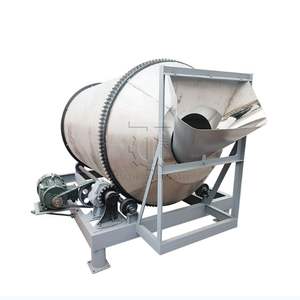
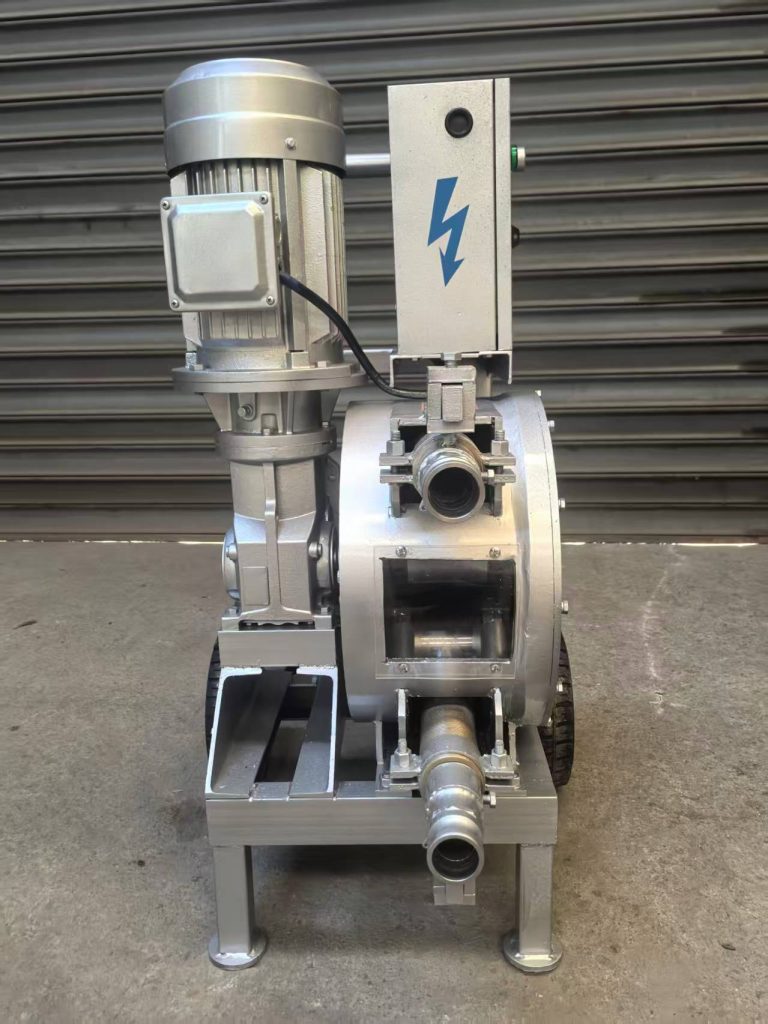
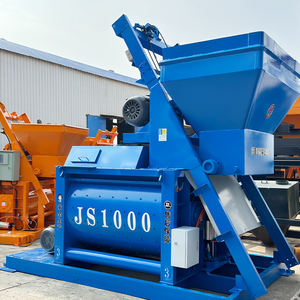
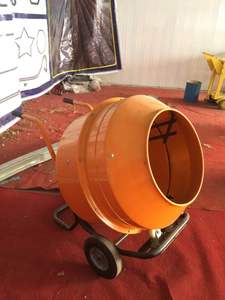
Whole Cement Foam Machine Concrete Foam Making Machine
PRODUCT PARAMETERS
Description
Overview of Whole Cement Foam Machine Concrete Foam Making Machine
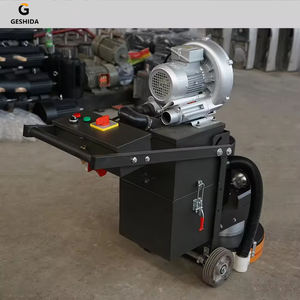
Whole Cement Foam Machine Concrete Foam Making Machine is essential tools for surface preparation in construction and renovation projects. They are used to smooth, level, and polish concrete floors by removing imperfections, stains, adhesives, and coatings. With varying sizes and configurations, they cater to different grinding needs, whether for light-duty residential tasks or heavy-duty industrial applications. Equipped with multiple grinding attachments, dust control systems, and adjustable settings, concrete grinders provide a versatile and effective solution for achieving high-quality, durable floor finishes. Available in both manual and electric models, these grinders are designed to deliver superior results, reducing time and labor costs while ensuring the safety and cleanliness of the worksite.
Characteristics of Whole Cement Foam Machine Concrete Foam Making Machine
Efficient Grinding Performance: Concrete grinders are designed for high-speed, efficient grinding and polishing of concrete surfaces, allowing for faster completion of projects while maintaining high-quality finishes.
Versatile Applications: Whether you’re preparing surfaces for new flooring, polishing existing concrete, or removing coatings like epoxy and adhesives, these grinders can handle it all. They are suitable for both residential and commercial use.
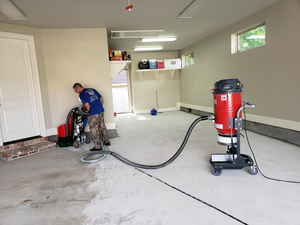
Dust-Free Operation: Many concrete grinders come with built-in dust collection systems that capture dust during operation, ensuring a cleaner and safer work environment by reducing airborne particles.
Adjustable Grinding Settings: With customizable settings, operators can adjust the grinder to suit specific surface conditions and desired outcomes, ensuring precision in depth control and uniformity.
Multiple Grinding Attachments: Concrete grinders often feature interchangeable diamond and abrasive discs, providing flexibility to tackle different types of surface work, such as light grinding, heavy grinding, or polishing.
Ergonomic Design: Designed with user comfort in mind, these grinders are equipped with ergonomic handles and adjustable heights, reducing operator fatigue and making it easier to handle during extended use.
Durability and Reliability: Constructed from high-quality, durable materials, concrete grinders are built to withstand the rigors of industrial use, offering long-lasting performance with minimal maintenance.
Compact and Portable: Many models are compact and lightweight, making them easy to transport and maneuver around job sites, even in tight spaces or for small-scale projects.
Safety Features: To ensure safe operation, these grinders include essential safety features such as overload protection, automatic shut-off, and sturdy, non-slip handles, reducing the risk of accidents.
Cost-Effective: With low maintenance requirements and long service life, concrete grinders offer an excellent return on investment, making them a cost-effective solution for contractors and flooring professionals.

Specifications of Whole Cement Foam Machine Concrete Foam Making Machine
This machine makes lightweight foam concrete. It mixes cement, water, and foam. The foam concrete is good for insulation and filling. It is also strong and light.
The machine is about 1500 millimeters long. It is about 1000 millimeters wide. It stands about 1400 millimeters tall. This size makes it easy to place in a factory. The whole machine weighs about 350 kilograms. Two people can move it. It needs a stable floor.
The tank is made of stainless steel. Stainless steel stops rust. The mixing parts are also strong steel. This steel handles cement every day. The frame is welded steel. Welded steel makes the frame solid. It does not shake during use.
The machine needs electricity. It uses 380 volts. It needs about 4 kilowatts of power. A standard factory plug works. The motor turns the mixing shaft. The motor is sealed. Dust does not harm it.
The operator uses buttons and switches. The controls are simple. A big button starts the mixing. A switch adds the foam agent. A knob controls the water flow. Gauges show the pressure. You see the foam density. You adjust it fast.
The machine makes foam concrete quickly. It can make about 5 cubic meters each hour. The foam size is very small. The bubbles are about 0.1 to 0.3 millimeters. Small bubbles make strong concrete. The density range is wide. It can make 300 to 1600 kilograms per cubic meter. You choose the density needed.
The machine feeds materials automatically. A pump moves the cement slurry. Another pump adds the foam. The flow is steady. The mixture is always the same. The foam generator works with compressed air. Air pressure must be 0.7 megapascals. An air compressor supplies this. The machine has pipe connections. You connect water and air lines.
Applications of Whole Cement Foam Machine Concrete Foam Making Machine
Whole cement foam machines create lightweight concrete. This concrete has many uses. Insulation is a big application. The foam concrete fills gaps in walls and roofs. It keeps heat inside buildings. This saves energy. Builders save money too. Filling empty spaces is another job. Underground pipes and tunnels often have voids. Foam concrete fills these perfectly. It flows easily into tight spots. Lightweight blocks come from foam concrete too. These blocks are strong but not heavy. Walls built with them put less pressure on foundations. Construction costs go down. Builders finish projects faster.
Slope stabilization benefits from foam concrete. It prevents soil erosion on hillsides. The material is easy to place on steep grades. It stays put. Soundproofing is a key feature. Foam concrete blocks noise very well. Interior walls use it for quiet rooms. Exterior walls keep street sounds out. Roof leveling uses foam concrete often. Old roofs sometimes sag. Foam concrete creates a smooth, flat surface. It is poured right over the old roof. Workers add new roofing material on top. This is cheaper than tearing off the old roof. Foam concrete handles many tasks. It is versatile and cost-effective.
Company Profile
We are the global leader in lightweight concrete and advanced engineered foam solutions. Known globally for its commitment to research, innovation, and applied expertise, we have been providing engineered foam solutions since the early 2012’s.
We can supply high-quality concrete admixture and foam concrete related products all over the world.
The company has a professional technical department and quality supervision department, a well-equipped laboratory, and equipped with advanced testing equipment and after-sales customer service center.
If you are interested, please feel free and contact us.
Payment
T/T, Western Union, Paypal, Credit Card etc.
Shipment
By air, by sea, by express, as customers request.
5 FAQs of Whole Cement Foam Machine Concrete Foam Making Machine
What does this machine do? This machine makes foam concrete. It mixes cement, water, and foam agent together. The foam agent creates tiny bubbles. These bubbles get trapped in the cement mixture. The result is lightweight foam concrete. This material is much lighter than normal concrete. It is good for insulation and filling spaces.
How does the machine work? The machine has several parts. A mixer combines cement powder and water. A separate foam generator produces foam. The foam generator mixes water and foam agent under pressure. This creates a stable foam. This foam gets added to the cement slurry in the mixer. The machine controls the mixing process. It ensures the foam spreads evenly. This makes consistent foam concrete.
Where is foam concrete used? Foam concrete has many uses. Builders use it for thermal insulation in walls and floors. It fills old pipes and unused tanks underground. It creates lightweight building blocks. It is poured as lightweight fill under roadways. Foam concrete saves weight. It provides good insulation. It is easy to pour into difficult spaces. It is a useful building material.
Is the machine hard to maintain? The machine needs regular care. Operators must clean it after each use. Cement residue can harden inside pipes and mixers. Cleaning prevents blockages. Lubricating moving parts is important. Checking hoses and seals for wear helps avoid leaks. Following the manufacturer’s schedule keeps the machine running smoothly. Basic maintenance prevents most problems.
What affects the machine cost? Several things influence the price. Larger machines cost more. They produce more foam concrete per hour. Machines with better automation cost more. Simple machines need more manual work. Higher quality materials mean a higher price. Good steel lasts longer. Buying from a known brand often costs more. Good support and spare parts are worth the extra cost. Consider your production needs and budget.