Professional solutions on concrete addtives, Concrete Foaming Agent, Superplasticizer, CLC Blocks Additives, and foaming machine

Concrete Stamped Mould
PRODUCT PARAMETERS
Description
Overview of Concrete Stamped Mould
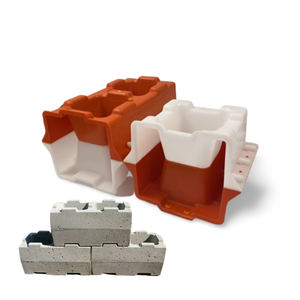
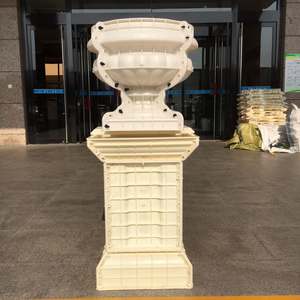
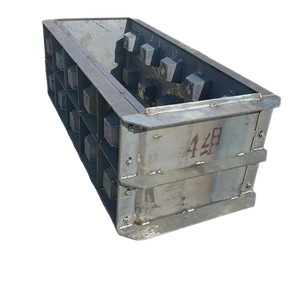
Concrete Stamped Mould is essential for shaping concrete into specific forms during construction and manufacturing processes. These molds come in various designs, materials, and sizes to cater to different applications such as decorative elements, structural components, or custom creations. They are commonly used in the production of concrete blocks, paving stones, wall panels, and architectural elements. Available in steel, plastic, silicone, and rubber materials, concrete molds are designed for easy release, providing clean edges and uniform shapes. They are widely used in both large-scale industrial projects and smaller, custom concrete works, offering efficiency, precision, and versatility. By ensuring accurate shapes and smooth finishes, concrete molds help improve production consistency and reduce labor time, making them a valuable tool in construction and manufacturing.
Characteristics of Concrete Stamped Mould
High Precision: Concrete molds are crafted with precision to create uniform, accurate shapes, ensuring consistent dimensions and quality in every piece of concrete. This is essential for both structural integrity and aesthetic appeal.
Versatile Designs: Available in various shapes and sizes, concrete molds cater to a wide range of applications, from simple concrete blocks to intricate decorative pieces. Custom molds can also be designed to meet specific project requirements.
Durable Materials: Concrete molds are typically made from robust materials such as steel, plastic, rubber, or silicone, offering strength and durability to withstand the pressure of concrete pouring and curing, ensuring long-term performance.
Easy Release and Cleanliness: Most concrete molds are designed with a non-stick surface or coating, allowing for easy release of the molded concrete without damage. This results in smoother, cleaner finishes and reduces cleanup time.
Reusable: Concrete molds are designed for repeated use, which makes them highly cost-effective for large-scale production runs or ongoing projects. They provide excellent value by reducing the need for new molds with each batch.
Customization Options: Custom concrete molds can be designed to create specific shapes, patterns, or sizes tailored to unique project needs. This flexibility allows for creative and highly specialized concrete products.
Efficient Production: By providing quick and easy molding, concrete molds significantly reduce labor time, increasing production efficiency and allowing for faster project completion.
Consistent Quality: Using molds ensures uniformity in concrete components, reducing variations in shape and size that can occur with manual methods. This leads to more reliable and consistent results.
Cost-Effective: Concrete molds reduce the amount of labor required for shaping and finishing concrete, cutting down on time and labor costs. They also reduce material waste, as they create precise forms and minimize errors during production.
Weather and Chemical Resistance: Depending on the material used, some concrete molds are resistant to harsh weather conditions and chemical exposure, making them suitable for both indoor and outdoor applications, including landscaping, pavements, and structural elements.
Ease of Use: Concrete molds are designed to be user-friendly, allowing for easy setup, pouring, and demolding. This reduces the complexity of the concrete molding process and ensures a smooth workflow for operators.
Enhanced Aesthetic Appeal: When used for decorative purposes, concrete molds help achieve intricate patterns, textures, and shapes, enhancing the visual appeal of architectural elements, garden features, and paving designs.

Specifications of Concrete Stamped Mould
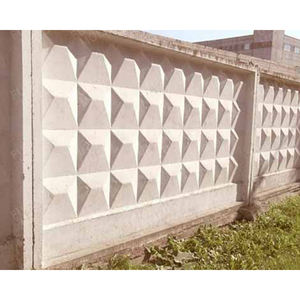
Stamped concrete moulds create decorative patterns in concrete surfaces. These moulds are made from tough polypropylene plastic. This material resists bending and breaking. It handles heavy use on job sites. The moulds come in many standard sizes. Common sizes include 12×12 inches, 18×18 inches, and 24×24 inches. Larger sizes cover more area faster. Smaller sizes offer intricate details. Custom sizes are possible for special projects. The plastic is strong. It doesn’t crack easily under pressure. Workers step on it during installation. The moulds stay stable. The surface texture is important. Moulds replicate natural materials well. They mimic stone, brick, slate, and wood grain. The patterns look very real. Each mould has a deep impression. This depth creates sharp definition in the finished concrete. Good definition makes the pattern stand out clearly. Using the moulds is straightforward. Workers press them into fresh concrete. They lift them out cleanly. The release is smooth. This prevents tearing the concrete surface. It makes installation efficient. Proper care extends their life. Clean the moulds after each use. Remove all wet concrete residue. Store them flat. Avoid stacking heavy things on top. This prevents warping. Keep them out of direct sunlight when stored. Sunlight can weaken plastic over time. These moulds work on driveways, patios, pool decks, and walkways. They are essential tools for decorative concrete.
Applications of Concrete Stamped Mould
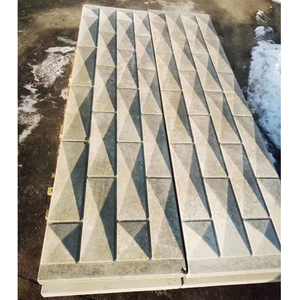
Stamped concrete molds are a popular choice. People use them to create decorative concrete surfaces. They make plain concrete look like stone, brick, wood, or tile. This is a cost-effective way to get a high-end look.
These molds come in many patterns. You press them into wet concrete. This leaves a design behind. The result is a unique, textured finish. It looks much nicer than regular concrete.
People use stamped concrete molds for driveways. They make the driveway look more attractive. The patterns add visual interest. It also hides minor imperfections well.
Patios are another common use. A stamped patio looks like expensive pavers. It feels good underfoot. It is also very durable. It handles weather and furniture well.
Pool decks benefit from stamped concrete. The texture helps prevent slipping. It stays cooler than some other materials in the sun. The design options let you match your pool area’s style.
Interior floors use stamped concrete too. People use it in basements and garages. It creates a seamless, easy-to-clean surface. It can mimic expensive flooring for less money.
Walkways and paths look great with stamped concrete. It guides people through gardens or yards. The patterns add charm. It lasts a long time outdoors.
Commercial properties often use stamped concrete. It works well for storefronts and plazas. It gives a professional appearance. It is tough enough for heavy foot traffic.
Stamped concrete is affordable. It costs less than real stone or brick. Installation is faster too. You get a custom look without the high price tag.
Maintenance is straightforward. You sweep and wash it occasionally. Sealing it every few years helps protect the color. This keeps it looking new longer.
The molds create endless design possibilities. You can choose colors and patterns. This lets you personalize any space. It adds character to homes and businesses.
Durability is a key advantage. Stamped concrete resists cracking. It holds up against wear and tear. It lasts for many years with proper care.
It is a versatile material. It works in many places. It transforms ordinary concrete into something special. It offers style and strength together.
Company Profile
We are the global leader in lightweight concrete and advanced engineered foam solutions. Known globally for its commitment to research, innovation, and applied expertise, we have been providing engineered foam solutions since the early 2012’s.
We can supply high-quality concrete admixture and foam concrete related products all over the world.
The company has a professional technical department and quality supervision department, a well-equipped laboratory, and equipped with advanced testing equipment and after-sales customer service center.
If you are interested, please feel free and contact us.
Payment
T/T, Western Union, Paypal, Credit Card etc.
Shipment
By air, by sea, by express, as customers request.
5 FAQs of Concrete Stamped Mould
Stamped concrete moulds create decorative patterns on concrete surfaces. People often have questions about these moulds. Here are answers to some common questions.
What are stamped concrete moulds used for?
These moulds press designs into wet concrete. You use them on driveways, patios, and walkways. They make plain concrete look like stone, brick, or tile. It adds style without the high cost of real stone or brick.
How do you use these moulds?
First, pour the concrete slab. Let it set a little. Apply a release agent to the mould. Press the mould firmly into the concrete surface. Lift it straight up. Move to the next area. Repeat the process. Cover the whole slab.
How long do the moulds last?
Good quality moulds last a long time. They are made from tough plastic or polyurethane. Take care of them. Clean them well after each job. Store them flat. Avoid direct sun. Proper care extends their life.
How do you clean stamped concrete moulds?
Clean the moulds right after using them. Scrape off big chunks of concrete. Rinse them with water. Use a stiff brush for stuck bits. Don’t use harsh chemicals. They can damage the mould material. Let them dry fully before storing.
Where can I buy stamped concrete moulds?
Find them at building supply stores. Look at stores selling concrete tools. Many online shops sell them too. Check different brands and designs. Prices vary. Pick the pattern you like best for your project.