Professional solutions on concrete addtives, Concrete Foaming Agent, Superplasticizer, CLC Blocks Additives, and foaming machine

Plastic Concrete Cylinder Mould 150 mm X 300 mm
PRODUCT PARAMETERS
Description
Overview of Plastic Concrete Cylinder Mould 150 mm X 300 mm
Plastic Concrete Cylinder Mould 150 mm X 300 mm is essential for shaping concrete into specific forms during construction and manufacturing processes. These molds come in various designs, materials, and sizes to cater to different applications such as decorative elements, structural components, or custom creations. They are commonly used in the production of concrete blocks, paving stones, wall panels, and architectural elements. Available in steel, plastic, silicone, and rubber materials, concrete molds are designed for easy release, providing clean edges and uniform shapes. They are widely used in both large-scale industrial projects and smaller, custom concrete works, offering efficiency, precision, and versatility. By ensuring accurate shapes and smooth finishes, concrete molds help improve production consistency and reduce labor time, making them a valuable tool in construction and manufacturing.
Characteristics of Plastic Concrete Cylinder Mould 150 mm X 300 mm
High Precision: Concrete molds are crafted with precision to create uniform, accurate shapes, ensuring consistent dimensions and quality in every piece of concrete. This is essential for both structural integrity and aesthetic appeal.
Versatile Designs: Available in various shapes and sizes, concrete molds cater to a wide range of applications, from simple concrete blocks to intricate decorative pieces. Custom molds can also be designed to meet specific project requirements.
Durable Materials: Concrete molds are typically made from robust materials such as steel, plastic, rubber, or silicone, offering strength and durability to withstand the pressure of concrete pouring and curing, ensuring long-term performance.
Easy Release and Cleanliness: Most concrete molds are designed with a non-stick surface or coating, allowing for easy release of the molded concrete without damage. This results in smoother, cleaner finishes and reduces cleanup time.
Reusable: Concrete molds are designed for repeated use, which makes them highly cost-effective for large-scale production runs or ongoing projects. They provide excellent value by reducing the need for new molds with each batch.
Customization Options: Custom concrete molds can be designed to create specific shapes, patterns, or sizes tailored to unique project needs. This flexibility allows for creative and highly specialized concrete products.
Efficient Production: By providing quick and easy molding, concrete molds significantly reduce labor time, increasing production efficiency and allowing for faster project completion.
Consistent Quality: Using molds ensures uniformity in concrete components, reducing variations in shape and size that can occur with manual methods. This leads to more reliable and consistent results.
Cost-Effective: Concrete molds reduce the amount of labor required for shaping and finishing concrete, cutting down on time and labor costs. They also reduce material waste, as they create precise forms and minimize errors during production.
Weather and Chemical Resistance: Depending on the material used, some concrete molds are resistant to harsh weather conditions and chemical exposure, making them suitable for both indoor and outdoor applications, including landscaping, pavements, and structural elements.
Ease of Use: Concrete molds are designed to be user-friendly, allowing for easy setup, pouring, and demolding. This reduces the complexity of the concrete molding process and ensures a smooth workflow for operators.
Enhanced Aesthetic Appeal: When used for decorative purposes, concrete molds help achieve intricate patterns, textures, and shapes, enhancing the visual appeal of architectural elements, garden features, and paving designs.

Specifications of Plastic Concrete Cylinder Mould 150 mm X 300 mm
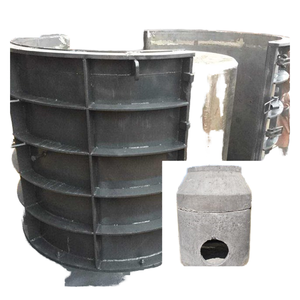
This mould makes screening concrete strength very easy. It generates conventional cyndrical tubes gauging 150 millimeters throughout and 300 millimeters tall. You need these cylinders for compression examinations. The mould itself is divided into two items. This split layout makes eliminating the solidified concrete easy later on. You won’t harm the sample obtaining it out. The plastic made use of is truly solid. It is a difficult, stiff polypropylene. This material holds its form completely under pressure. It will not flex or warp when you fill it with damp concrete. The walls are thick. This density adds additional toughness and toughness. The mould really feels solid in your hands. You assemble it making use of tough steel clamps. These clamps hold both fifty percents securely together. They quit leakages and keep the form exact. The inside surface is very smooth. This smooth coating indicates your concrete example will certainly have no surface imperfections. You obtain precise examination results each time. The plastic is also non-reactive. It doesn’t stick to the concrete. Cleaning the mould after use is simple. Just wash it out with water. There’s no demand for unique chemicals. These moulds are much lighter than old steel ones. Moving them around the laboratory is much easier. You won’t stress your back. They stand up to most usual laboratory chemicals as well. The plastic won’t rust or wear away like metal can. This means your mould lasts a lot longer. You save cash with time. It’s a trustworthy device for constant testing work. The measurements are accurate. They meet all the common screening needs precisely. You can trust the outcomes you receive from cyndrical tubes made in this mould.
Applications of Plastic Concrete Cylinder Mould 150 mm X 300 mm
Plastic concrete cylinder mold and mildews determining 150 mm x 300 mm are basic devices in building and construction and materials testing. People use them to make cylindrical concrete examples. These examples test exactly how solid the concrete is. The dimension 150 mm diameter by 300 mm height is common worldwide. Many testing criteria need this exact dimension. These mold and mildews are crucial for quality control.
Building firms require these molds. They put fresh concrete right into the molds. They portable the concrete appropriately inside. This produces a test cylinder. After the concrete hardens, workers get rid of the mold. They send the solidified cyndrical tube to a laboratory. The lab crushes the cyndrical tube in an equipment. This crushing examination shows the concrete’s toughness. Recognizing the toughness is important for developing security. Engineers rely on this information.
Laboratories likewise utilize these plastic molds continuously. They evaluate sets of concrete from suppliers. They check if the concrete meets project specifications. Research study teams use them also. They study new concrete mixes. They see just how different active ingredients affect stamina. The 150 mm x 300 mm dimension is the criteria. Results from this dimension are commonly accepted.
Plastic mold and mildews provide big benefits over steel molds. Plastic is much lighter. Workers handle them quickly. Plastic molds do not corrosion. Steel molds can corrosion and mess up examples. Plastic mold and mildews do not require release oil. Concrete slides out efficiently. Steel molds frequently need oil to stop sticking. Using plastic conserves time and effort. Plastic is likewise less expensive than steel. Several testing laboratories prefer plastic for these reasons.
The mold and mildews are easy to use. Employees set up the two or 3 items. They protect them with clamps or bands. They place the mold on a degree surface area. They fill it carefully with concrete. They pole or vibrate the concrete to eliminate air pockets. After filling up, they finish the leading efficiently. The mold holds the shape flawlessly while the concrete collections. Later on, removing the mold is uncomplicated. The plastic flexes a little. This assists launch the example without damage. Maintaining the samples intact is very important for accurate testing.
These molds are common equipment. You see them on constructing sites, in ready-mix plants, and in screening laboratories. Their job is making examination cylinders. The 150 mm x 300 mm dimension is the one everybody recognizes. It generates trustworthy results for evaluating concrete strength. Utilizing plastic makes the entire screening process simpler and less expensive.
Company Profile
We are the global leader in lightweight concrete and advanced engineered foam solutions. Known globally for its commitment to research, innovation, and applied expertise, we have been providing engineered foam solutions since the early 2012’s.
We can supply high-quality concrete admixture and foam concrete related products all over the world.
The company has a professional technical department and quality supervision department, a well-equipped laboratory, and equipped with advanced testing equipment and after-sales customer service center.
If you are interested, please feel free and contact us.
Payment
T/T, Western Union, Paypal, Credit Card etc.
Shipment
By air, by sea, by express, as customers request.
5 FAQs of Plastic Concrete Cylinder Mould 150 mm X 300 mm
What material is the mould made from?
The mould uses top quality polypropylene plastic. This plastic is strong and stiff. It bends very little under pressure. The material resists chemicals too. Concrete releases easily after curing. You get smooth cylinder sides every time.
How long will one mould last?
These moulds last a long time. Careful handling helps a lot. Avoid dropping them or hitting them hard. Clean them well after each use. Follow the care instructions. You can reuse them many times. They won’t break or crack easily.
Does this mould meet industry standards?
Yes, it meets ASTM C470 standards. This standard covers concrete cylinder moulds. The size is exact: 150mm inside diameter by 300mm height. The mould walls are thick enough. It keeps its shape during filling and curing. Your test results will be accurate.
Can I reuse this mould?
You can definitely reuse this mould. It is made for multiple uses. Clean out all the old concrete thoroughly. Check for damage before using it again. Small scratches are okay. Deep cracks mean you should replace it. Proper care extends its life.
What temperatures can it handle?
This mould works fine in normal job site temperatures. It handles heat well. It handles cold well too. Extreme heat might warp it. Extreme cold could make it brittle. Store it out of direct sun. Don’t use it below freezing or above 120°F.