Professional solutions on concrete addtives, Concrete Foaming Agent, Superplasticizer, CLC Blocks Additives, and foaming machine

Precast Concrete Slope protection Mold
PRODUCT PARAMETERS
Description
Overview of Precast Concrete Slope protection Mold
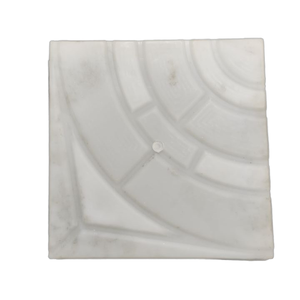
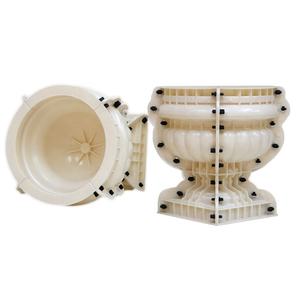
Precast Concrete Slope protection Mold is essential for shaping concrete into specific forms during construction and manufacturing processes. These molds come in various designs, materials, and sizes to cater to different applications such as decorative elements, structural components, or custom creations. They are commonly used in the production of concrete blocks, paving stones, wall panels, and architectural elements. Available in steel, plastic, silicone, and rubber materials, concrete molds are designed for easy release, providing clean edges and uniform shapes. They are widely used in both large-scale industrial projects and smaller, custom concrete works, offering efficiency, precision, and versatility. By ensuring accurate shapes and smooth finishes, concrete molds help improve production consistency and reduce labor time, making them a valuable tool in construction and manufacturing.
Characteristics of Precast Concrete Slope protection Mold
High Precision: Concrete molds are crafted with precision to create uniform, accurate shapes, ensuring consistent dimensions and quality in every piece of concrete. This is essential for both structural integrity and aesthetic appeal.
Versatile Designs: Available in various shapes and sizes, concrete molds cater to a wide range of applications, from simple concrete blocks to intricate decorative pieces. Custom molds can also be designed to meet specific project requirements.
Durable Materials: Concrete molds are typically made from robust materials such as steel, plastic, rubber, or silicone, offering strength and durability to withstand the pressure of concrete pouring and curing, ensuring long-term performance.
Easy Release and Cleanliness: Most concrete molds are designed with a non-stick surface or coating, allowing for easy release of the molded concrete without damage. This results in smoother, cleaner finishes and reduces cleanup time.
Reusable: Concrete molds are designed for repeated use, which makes them highly cost-effective for large-scale production runs or ongoing projects. They provide excellent value by reducing the need for new molds with each batch.
Customization Options: Custom concrete molds can be designed to create specific shapes, patterns, or sizes tailored to unique project needs. This flexibility allows for creative and highly specialized concrete products.
Efficient Production: By providing quick and easy molding, concrete molds significantly reduce labor time, increasing production efficiency and allowing for faster project completion.
Consistent Quality: Using molds ensures uniformity in concrete components, reducing variations in shape and size that can occur with manual methods. This leads to more reliable and consistent results.
Cost-Effective: Concrete molds reduce the amount of labor required for shaping and finishing concrete, cutting down on time and labor costs. They also reduce material waste, as they create precise forms and minimize errors during production.
Weather and Chemical Resistance: Depending on the material used, some concrete molds are resistant to harsh weather conditions and chemical exposure, making them suitable for both indoor and outdoor applications, including landscaping, pavements, and structural elements.
Ease of Use: Concrete molds are designed to be user-friendly, allowing for easy setup, pouring, and demolding. This reduces the complexity of the concrete molding process and ensures a smooth workflow for operators.
Enhanced Aesthetic Appeal: When used for decorative purposes, concrete molds help achieve intricate patterns, textures, and shapes, enhancing the visual appeal of architectural elements, garden features, and paving designs.

Specifications of Precast Concrete Slope protection Mold
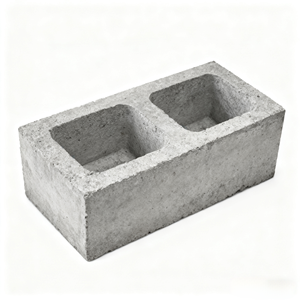
Precast concrete slope protection mold and mildews assist make strong, long lasting obstacles. These barriers shield slopes from disintegration. They keep dirt in position on hills, shores, and various other locations. The molds shape the concrete right into interlocking blocks or unique styles.
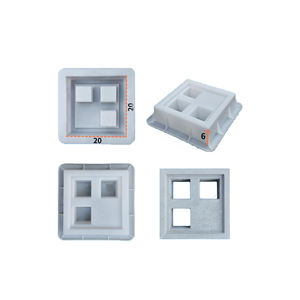
Each mold and mildew has details dimensions. The common dimensions are one meter long, half a meter broad, and one-third of a meter thick. These measurements can transform depending upon the project needs. The mold holds the wet concrete until it sets hard. One mold typically holds sufficient concrete to load a volume of about 0.15 to 0.20 cubic meters per piece. This relies on the precise block style.
The mold and mildew itself is made from hard steel. Steel manages the stress of damp concrete. Steel lasts with numerous uses. This makes the mold and mildew a great investment. The mold and mildew can be used over and over. This saves cash over time. The steel structure is bonded well. There are no powerlessness. The mold consists of strong clamps or locks. These hold the sides snugly with each other. They quit concrete from dripping out. The mold and mildew is developed to resist flexing or contorting. It maintains its specific shape set after batch.
The inside surface areas of the mold are smooth. They are dealt with to stop concrete from sticking. This makes getting rid of the completed block simple. It offers the block a tidy, expert surface. The mold can develop various textures on the concrete face. Smooth faces are common. Rough or patterned coatings are feasible as well. This depends upon the liner utilized inside the mold and mildew.
Applications of Precast Concrete Slope protection Mold
Precast concrete slope security molds are important in civil design tasks. They aid regulate disintegration on inclines. These mold and mildews develop strong, interlacing cinder block. Employees position these blocks on at risk slopes. The blocks create a safety layer. This layer guards the soil underneath. It quits water and wind from washing or blowing the soil away. Riverbanks and canal sides commonly require this protection. Water flow frequently strikes these locations. Without security, the dirt deteriorates promptly. The blocks made by these molds secure with each other snugly. This develops a strong surface area. Water can not easily pass through or move the blocks. Freeways constructed with hillsides additionally benefit. Incline failings near roads threaten. These concrete blocks maintain the ground. They stop landslides onto the road surface area. Coastal areas encounter erosion from waves. These precast blocks offer protection. They take in wave power. They shield beaches and frameworks behind them. Construction sites use them also. Excavated inclines are unstable throughout structure. Short-term slope security is necessary. These mold and mildews give a quick remedy. Employees cast the blocks nearby. They position them quickly on the incline. This conserves money and time. The mold and mildews enable different block shapes and sizes. Designers choose the best layout for every incline. The blocks are long lasting and lasting. They stand up to rough weather conditions. Maintenance needs are reduced. These molds are essential tools for securing land and infrastructure.
Company Profile
We are the global leader in lightweight concrete and advanced engineered foam solutions. Known globally for its commitment to research, innovation, and applied expertise, we have been providing engineered foam solutions since the early 2012’s.
We can supply high-quality concrete admixture and foam concrete related products all over the world.
The company has a professional technical department and quality supervision department, a well-equipped laboratory, and equipped with advanced testing equipment and after-sales customer service center.
If you are interested, please feel free and contact us.
Payment
T/T, Western Union, Paypal, Credit Card etc.
Shipment
By air, by sea, by express, as customers request.
5 FAQs of Precast Concrete Slope protection Mold
What is precast concrete slope protection mold? It is a special formwork. Builders use it to create concrete blocks. These blocks protect slopes from erosion. They stop soil from washing away. This mold shapes the concrete. Then the blocks harden. Workers place them on slopes later.
How does this mold work? You assemble the mold first. You pour concrete into it. The concrete fills the mold cavity. It takes the shape of the protective block. You let the concrete set. After it hardens, you remove the mold. The block is ready. You repeat this for many blocks. It is a simple process.
Why use precast molds instead of pouring concrete on-site? Precasting offers big advantages. Making blocks in a controlled setting is better. You ensure higher quality concrete. The strength is more reliable. The blocks look more uniform. Transporting finished blocks is easier than moving wet concrete. Installation is faster too. It saves time and money.
Can you customize the block designs? Yes, customization is possible. The mold defines the block’s shape. Different molds make different blocks. Common types include hexagonal or rectangular. You can order molds for specific sizes. You can get molds for special patterns. This meets different project needs. Engineers choose the best shape for the slope.
How long do these molds last? These molds last a long time. They are built tough. They handle repeated concrete pours. Good care extends their life. Clean the mold after each use. Store it properly. Avoid rough handling. A well-maintained mold makes many blocks. It is a solid investment.