Professional solutions on concrete addtives, Concrete Foaming Agent, Superplasticizer, CLC Blocks Additives, and foaming machine

Silicone Molds for Concrete When Building Pavements and Roads Concrete Molds for
PRODUCT PARAMETERS
Description
Overview of Silicone Molds for Concrete When Building Pavements and Roads Concrete Molds for
Silicone Molds for Concrete When Building Pavements and Roads Concrete Molds for is essential for shaping concrete into specific forms during construction and manufacturing processes. These molds come in various designs, materials, and sizes to cater to different applications such as decorative elements, structural components, or custom creations. They are commonly used in the production of concrete blocks, paving stones, wall panels, and architectural elements. Available in steel, plastic, silicone, and rubber materials, concrete molds are designed for easy release, providing clean edges and uniform shapes. They are widely used in both large-scale industrial projects and smaller, custom concrete works, offering efficiency, precision, and versatility. By ensuring accurate shapes and smooth finishes, concrete molds help improve production consistency and reduce labor time, making them a valuable tool in construction and manufacturing.
Characteristics of Silicone Molds for Concrete When Building Pavements and Roads Concrete Molds for
High Precision: Concrete molds are crafted with precision to create uniform, accurate shapes, ensuring consistent dimensions and quality in every piece of concrete. This is essential for both structural integrity and aesthetic appeal.
Versatile Designs: Available in various shapes and sizes, concrete molds cater to a wide range of applications, from simple concrete blocks to intricate decorative pieces. Custom molds can also be designed to meet specific project requirements.
Durable Materials: Concrete molds are typically made from robust materials such as steel, plastic, rubber, or silicone, offering strength and durability to withstand the pressure of concrete pouring and curing, ensuring long-term performance.
Easy Release and Cleanliness: Most concrete molds are designed with a non-stick surface or coating, allowing for easy release of the molded concrete without damage. This results in smoother, cleaner finishes and reduces cleanup time.
Reusable: Concrete molds are designed for repeated use, which makes them highly cost-effective for large-scale production runs or ongoing projects. They provide excellent value by reducing the need for new molds with each batch.
Customization Options: Custom concrete molds can be designed to create specific shapes, patterns, or sizes tailored to unique project needs. This flexibility allows for creative and highly specialized concrete products.
Efficient Production: By providing quick and easy molding, concrete molds significantly reduce labor time, increasing production efficiency and allowing for faster project completion.
Consistent Quality: Using molds ensures uniformity in concrete components, reducing variations in shape and size that can occur with manual methods. This leads to more reliable and consistent results.
Cost-Effective: Concrete molds reduce the amount of labor required for shaping and finishing concrete, cutting down on time and labor costs. They also reduce material waste, as they create precise forms and minimize errors during production.
Weather and Chemical Resistance: Depending on the material used, some concrete molds are resistant to harsh weather conditions and chemical exposure, making them suitable for both indoor and outdoor applications, including landscaping, pavements, and structural elements.
Ease of Use: Concrete molds are designed to be user-friendly, allowing for easy setup, pouring, and demolding. This reduces the complexity of the concrete molding process and ensures a smooth workflow for operators.
Enhanced Aesthetic Appeal: When used for decorative purposes, concrete molds help achieve intricate patterns, textures, and shapes, enhancing the visual appeal of architectural elements, garden features, and paving designs.

Specifications of Silicone Molds for Concrete When Building Pavements and Roads Concrete Molds for
These silicone mold and mildews shape concrete into styles for paths and roads. They are strong and adaptable. You need molds that last via many pours. These are made from hard silicone rubber. The rubber resists tearing and chemicals in concrete. It manages the wet mix pushing versus it without breaking. The material is thick enough for security. Typical densities are around 10mm to 15mm. This offers great support for the concrete.
The mold and mildews can deal with heat and cold. They function great in warm sun or cold weather. You don’t bother with them breaking with temperature level modifications. Their versatility is crucial. You bend the mold and mildew to lift it off the treated concrete conveniently. This avoids damage to your new pavement pattern. It saves time on each section. The mold snaps back to its initial shape after elimination. You use it time and again.
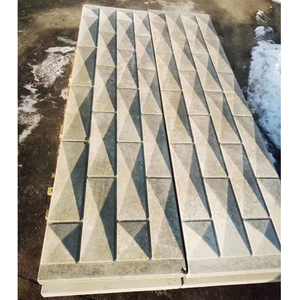
The surface area structure inside the mold and mildew is important. It produces the pattern on your concrete. You locate many layouts. Cobblestone, block, slate, and custom-made patterns prevail. The appearance detail is sharp. It gives a reasonable seek to the ended up slab. The silicone catches fine lines well. Your sidewalk looks expert.
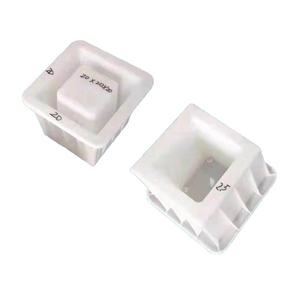
These molds can be found in different dimensions. Some are solitary tiles. Others are huge mats covering several square feet. Big mats accelerate installation over big locations. You put one floor covering, put concrete, raise it, and go on. Small ceramic tiles are good for sides or fixings. Both types lock with each other safely. This stops concrete from leaking in between areas. Your pattern remains clean.
Utilizing them is uncomplicated. You prepare your base material like regular. Lay the mold level on the ground. Fill it with your concrete mix. Level the top surface area. Allow the concrete set enough to hold its form. Thoroughly peel the mold upwards. The pattern remains behind in the concrete. Tidy the mold with water after usage. Store it flat for following time. They conserve labor contrasted to hand-carving designs. You obtain consistent results every put.
Applications of Silicone Molds for Concrete When Building Pavements and Roads Concrete Molds for
Silicone mold and mildews use contractors a terrific device for making ornamental concrete pavements and roadways. They develop special patterns and structures on the surface. These molds are really adaptable. This versatility allows employees quickly flex them around contours or fit them right into corners. You get a regular layout every time you use them. They copy all-natural products like stone, brick, or wood very well. The result looks actual and includes appeal to any kind of task.
Using silicone molds is straightforward. Workers put the mold onto the fresh concrete surface. They push it down strongly. After a short time, they lift the mold away. The pattern remains behind in the concrete. This method is much faster than hand-carving layouts. It saves time and labor expenses on big jobs like sidewalks, driveways, or plazas. The molds are recyclable many times. This makes them an economical selection over the long run.
The patterns made by silicone mold and mildews do more than look excellent. They produce important texture on the sidewalk surface. This appearance gives much better grip, specifically when the concrete is damp. It aids stop slides and drops. This is crucial for public security on sidewalks and actions. The distinctive surface likewise conceals minor wear and dirt far better than smooth concrete. The sidewalk keeps looking great longer with much less maintenance.
Silicone itself is tough. These molds resist tearing and hold their shape well under stress. They take care of the wet concrete mix without breaking down. Contractors can use them continuously without shedding pattern detail. The molds are likewise straightforward to tidy with water after each usage. Appropriate treatment ensures they last for numerous projects. Silicone mold and mildews offer a trusted means to add sturdy, eye-catching, and safe surfaces to concrete pavements and roads. They provide long lasting worth for building and construction teams.
Company Profile
We are the global leader in lightweight concrete and advanced engineered foam solutions. Known globally for its commitment to research, innovation, and applied expertise, we have been providing engineered foam solutions since the early 2012’s.
We can supply high-quality concrete admixture and foam concrete related products all over the world.
The company has a professional technical department and quality supervision department, a well-equipped laboratory, and equipped with advanced testing equipment and after-sales customer service center.
If you are interested, please feel free and contact us.
Payment
T/T, Western Union, Paypal, Credit Card etc.
Shipment
By air, by sea, by express, as customers request.
5 FAQs of Silicone Molds for Concrete When Building Pavements and Roads Concrete Molds for
What are silicone molds good for with concrete pavements?
Silicone molds shape wet concrete perfectly. They make uniform stones or bricks fast. You get neat edges every time. This saves effort later.
Do silicone molds break easily?
No, silicone is tough stuff. It bends without cracking. You can pull it off cured concrete safely. It survives many uses.
How do silicone molds make the concrete look good?
The silicone grabs fine details well. Think stone textures or wood grain. It copies these patterns onto the concrete. Your path looks high-end, not plain.
Can I reuse the same mold many times?
Yes, absolutely. Clean the mold after each pour. Store it flat. A good silicone mold handles hundreds of pours. It’s a smart buy.
How do I keep my silicone mold working well?
Rinse off all wet concrete bits right after use. Don’t let concrete dry inside it. Sometimes use a mold release spray. This stops sticking. Keep it out of strong sun when storing.