Professional solutions on concrete addtives, Concrete Foaming Agent, Superplasticizer, CLC Blocks Additives, and foaming machine

Whole Civil Construction Tools Cement Plastering Tools for Construction
PRODUCT PARAMETERS
Description
Overview of Whole Civil Construction Tools Cement Plastering Tools for Construction
The Concrete Tools product line provides comprehensive solutions for contractors, tradespeople, and dedicated DIYers working with concrete. Our catalog is systematically organized to support every critical phase of the concrete workflow.
Features of Whole Civil Construction Tools Cement Plastering Tools for Construction
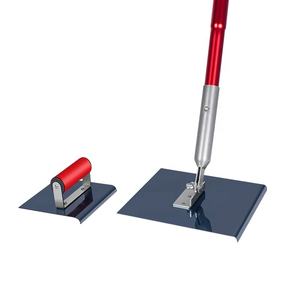
It begins with Mixing & Transport, featuring sturdy mortar tubs and mixing carts for preparing and moving material. Next, the Placing & Leveling section offers a variety of trowels, floats, and screeds to spread and initially level the concrete slab. For the Finishing & Polishing stage, we supply everything from hand edgers to power trowels, enabling a smooth, dense, and professional-grade surface. Finally, our Texturing & Stamping collection includes imprint mats and texture rollers to create beautiful, durable finishes that mimic stone, brick, or wood.
Whether you’re pouring a foundation, a patio, or a decorative walkway, Concrete Tools provides the reliable equipment you need to execute the job efficiently and to the highest standard.
The products within the Concrete Tools column are engineered to meet the rigorous demands of concrete work, offering distinct advantages that enhance productivity, results, and long-term value.
Unmatched Durability and Longevity: Concrete is abrasive and corrosive. Our tools are constructed from high-grade materials like high-carbon steel and forged alloys, often featuring protective coatings to resist rust and wear. This robust construction ensures they withstand daily job site abuse, significantly outlasting conventional tools and providing a better return on investment over time.
Ergonomic Design for Enhanced Control and Comfort: We prioritize the user’s experience. Hand tools are equipped with contoured, non-slip grips that reduce hand and wrist fatigue, allowing for longer, more comfortable work periods. The optimal balance and weight distribution of our trowels and floats provide superior control and a “”feel”” for the material, leading to a flatter, more consistent finish and reduced rework.
Innovation and Functional Versatility: Our product line continuously evolves to incorporate new solutions. This includes specialized tools for intricate edging and jointing, as well as innovative stamping mats that create deeper, more realistic texture patterns. This variety ensures that professionals have access to the right tool for both standard tasks and unique design challenges, fostering creativity and efficiency on diverse projects, from simple slabs to complex architectural elements.”

Specification of Whole Civil Construction Tools Cement Plastering Tools for Construction
Here are the trick tools needed for cement plastering job. Plastering devices cover using and completing concrete mixes on wall surfaces and ceilings. Great devices make the job simpler and the finish much better.
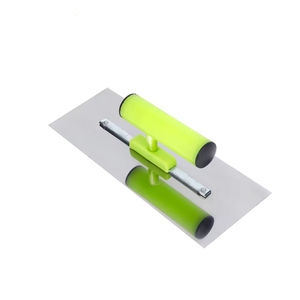
The plasterer trowel is the major device. Steel trowels come in various shapes and sizes. A rectangle form is common for walls. A sharp trowel helps in edges. Stainless-steel trowels resist rust. They assist spread the plaster mix efficiently. An excellent trowel really feels well balanced in your hand.
The plasterer hawk holds the damp mix near the work area. Hawks are normally square or round. They have a take care of below. A lightweight hawk is much easier to hold for extended periods. You scoop plaster onto the hawk. Then you take plaster from the hawk with your trowel.
A float is utilized after the first layer. Wood floats are conventional. Plastic or aluminum floats are lighter. The float push down the plaster surface area. It aids remove bumps and lines. A smooth float offers an excellent base for the final surface.
A scratcher makes grooves in the plaster surface area. These grooves aid the following layer stick appropriately. Scratchers have steel teeth or nails repaired to a board. You drag the scratcher throughout the damp plaster. This leaves little lines behind.
Corner trowels shape inside and outside edges. They have an unique tilted form. Making use of a corner trowel makes corners sharp and neat. Trying to do edges with a level trowel is difficult.
A mixing paddle affixes to a drill. It blends the plaster and water promptly. Hand mixing takes a lot of effort and time. A blending paddle provides a smooth, lump-free mix.
Other little tools are likewise required. Pails hold water and mix. Sponges tidy devices and smooth little areas. Levels examine surfaces are right. Measuring tools make certain the right amounts.
Making use of the right plastering tools saves time. It likewise gives a solid and appealing coating. Quality devices last longer and function far better.
Applications of Whole Civil Construction Tools Cement Plastering Tools for Construction
Constructing a durable framework calls for strong wall surfaces. Accomplishing this indicates applying concrete plaster properly. Entire civil construction tools include necessary plastering devices. These tools assist produce smooth, sturdy surface areas. They additionally secure structures from climate damages.
Gluing begins with surface area prep work. Employees utilize scrapers and brushes to tidy wall surfaces. Eliminating dirt and particles ensures great plaster adhesion. After that comes the blending stage. Cement mixers incorporate cement, sand, and water consistently. Correct blending avoids vulnerable points in the plaster.
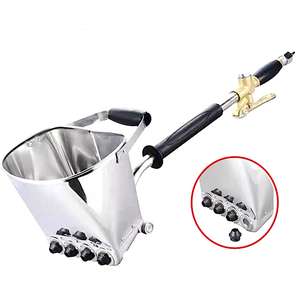
Using the plaster needs details tools. Trowels spread the damp plaster mix onto walls and ceilings. Floaters smooth the plaster surface area. They aid get rid of bumps and ridges. Edge devices form neat angles where wall surfaces meet. Utilizing the right tool ensures an even finish.
Ending up touches are necessary. Sponges include a final smooth appearance. They absorb added dampness. They create a surface ready for paint or other surfaces. Quality plastering tools save time and labor costs. They create specialist results every time. Great tools last several jobs, using excellent worth.
These devices are crucial for all construction websites. Homes, offices, manufacturing facilities all need plastered walls. Using appropriate plastering tools ensures buildings look good. It guarantees structures last long. Purchasing trusted devices makes building work effective. It makes building and construction work efficient.
Company Profile
We are the global leader in lightweight concrete and advanced engineered foam solutions. Known globally for its commitment to research, innovation, and applied expertise, we have been providing engineered foam solutions since the early 2012’s.
We can supply high-quality concrete admixture and foam concrete related products all over the world.
The company has a professional technical department and quality supervision department, a well-equipped laboratory, and equipped with advanced testing equipment and after-sales customer service center.
If you are interested, please feel free and contact us.
Payment
T/T, Western Union, Paypal, Credit Card etc.
Shipment
By air, by sea, by express, as customers request.
5 FAQs of Whole Civil Construction Tools Cement Plastering Tools for Construction
What are cement plastering tools?
These tools help apply and smooth cement plaster on walls and surfaces. You need trowels, floats, hawks, and mixers. Each tool has a specific job. Good tools make plastering easier and give better results.
How do I keep my plastering tools from rusting?
Clean tools after every use. Water and plaster residue cause rust. Wash tools thoroughly. Dry them completely before storing. Oil metal parts lightly. Store tools in a dry place. This prevents rust and extends tool life.
Why does my plastering float bend or warp?
Cheap plastic floats often bend under pressure. They warp when used heavily. Invest in a sturdy magnesium or aluminum float. These materials are stronger. They stay flat against the wall. A flat float gives a smoother finish.
How often should I replace my plastering trowel?
Replace the trowel when the blade wears down or gets nicks. A worn blade doesn’t smooth plaster well. It leaves streaks. Check the blade edge often. Replace it when it loses its sharpness. A sharp blade works best.
Can I use the same tools for different plaster mixes?
Yes, but clean tools well between mixes. Different plasters set at different speeds. Leftover bits of one mix can ruin the next batch. Clean tools prevent contamination. Thorough cleaning ensures good results every time.