Professional solutions on concrete addtives, Concrete Foaming Agent, Superplasticizer, CLC Blocks Additives, and foaming machine

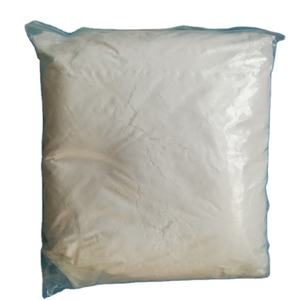
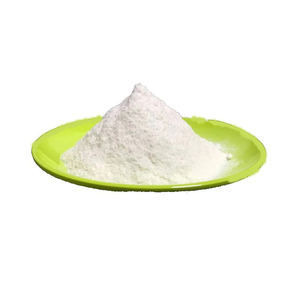
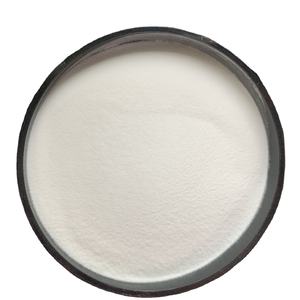
CLC Blocks Foam Concrete Additives Foam Concrete Solution Concrete Foaming Agent
PRODUCT PARAMETERS
Description
Overview of CLC Blocks Foam Concrete Additives Foam Concrete Solution Concrete Foaming Agent
CLC Blocks Foam Concrete Additives Foam Concrete Solution Concrete Foaming Agent represents the third generation of water-reducing agents following lignin and naphthalene-based types, embodying the pinnacle of modern concrete admixture technology. This product employs advanced molecular structure design and is synthesized through polymerization processes, resulting in a high-performance water-reducing agent with a comb-like molecular structure. It achieves dispersion of cement particles through a powerful steric hindrance effect, significantly enhancing concrete’s workability and construction properties. It is the preferred core material for formulating high-performance, high-strength, and high-durability concrete.
Features of CLC Blocks Foam Concrete Additives Foam Concrete Solution Concrete Foaming Agent
1. High Water-Reducing Rate: Achieves up to 40% water reduction, significantly lowering water consumption per unit volume of concrete and providing a solid foundation for producing high-strength and ultra-high-strength concrete (C60 and above).
2. Excellent Slump Retention: Unique slow-release slump retention technology effectively controls slump loss, maintaining good workability and pumpability for 1-2 hours. This meets the demands of long-distance transportation and construction during high-temperature seasons.
3. Low dosage, high efficiency: Compared to traditional water reducers, it requires lower dosage (typically 0.15%-0.3% by weight of cementitious materials) while delivering significant performance, offering superior economic and environmental benefits.
4. Superior Adaptability: Compatible with various cement brands and mineral admixtures (e.g., fly ash, mineral powder, silica fume), effectively addressing common issues like bleeding and segregation in concrete.
5. Green and Eco-Friendly: Free from harmful substances like formaldehyde and nitrites during production, harmless to humans, environmentally friendly, and compliant with green building and sustainable development requirements.
6. Significant Strength Enhancement: Achieves a 10%-15% reduction in cement usage for equivalent strength, or substantially increases concrete strength at all ages with the same cement content.
7. Enhanced Concrete Durability: Effectively lowers chloride diffusion coefficient, reduces shrinkage and creep, and markedly improves concrete impermeability, freeze-thaw resistance, and carbonation resistance, extending structural service life.

Specifications of CLC Blocks Foam Concrete Additives Foam Concrete Solution Concrete Foaming Agent
Foam concrete additives are special ingredients. They go into regular concrete mixes. These additives help create lots of tiny air bubbles inside the concrete. This makes the concrete much lighter. The additives are usually liquids or powders. They are easy to mix with water and cement. The goal is consistent bubble formation. Good additives produce stable foam. This foam shouldn’t collapse quickly. The foam must stay strong during mixing and pouring.
Concrete foaming agents are a key additive type. They generate the foam needed for lightweight concrete. Foaming agents come in different strengths. Some make very fine bubbles. Others make larger bubbles. The choice affects the final concrete’s density. Strong agents need only small amounts. This makes them cost-effective. Good agents work well with different cement types. They should not harm the concrete’s strength too much. The foam should last long enough for placing. The agent should be safe for workers. It should not have strong bad smells.
Foam concrete solutions refer to ready-to-use mixes. They include the foaming agent already blended. Sometimes they contain extra ingredients. These might help the foam last longer. They might make the concrete set faster. Solutions offer convenience. They save time on the job site. Workers just add water and cement. This reduces mixing errors. Solutions ensure consistent foam quality. They are popular for smaller projects. Bigger sites might prefer separate additives.
CLC blocks are the finished building products. CLC means Cellular Lightweight Concrete. These blocks are made using foam concrete. The additives create the cellular structure inside. This structure makes the blocks very light. CLC blocks have low density. They provide good thermal insulation. They also offer decent strength for walls. The blocks are easy to cut and shape. Builders like them for speed. CLC blocks come in standard sizes. Their density ranges are clearly specified. Common uses include partition walls and insulation layers. They help reduce the overall building weight.
Applications of CLC Blocks Foam Concrete Additives Foam Concrete Solution Concrete Foaming Agent
Foam concrete is a special lightweight building material. It’s made by mixing foam into cement paste. This foam creates many tiny air bubbles inside. The result is concrete that is much lighter than regular concrete. Foam concrete additives are chemicals that help create this foam. They make the foam stable and long-lasting. Stable foam is needed for good quality foam concrete. The foam doesn’t collapse easily during mixing and pouring.
CLC blocks are a major product made from foam concrete. CLC stands for Cellular Lightweight Concrete. These blocks are formed by pouring foam concrete into molds. The mixture sets and hardens. CLC blocks are popular in construction. Builders use them for walls and other structures. Their light weight makes them easy to handle and transport. This speeds up construction work. Workers get less tired moving these blocks.
The concrete foaming agent is the key additive. It generates the foam mixed into the cement slurry. Good foaming agents produce foam with small, strong bubbles. These bubbles give the concrete its lightweight properties. The foam must stay stable until the concrete sets. Foam concrete solutions refer to the complete mixture. This includes cement, water, sand, and the foaming agent. Sometimes other additives are used for extra strength or faster setting.
Foam concrete offers excellent thermal insulation. Buildings made with CLC blocks stay cooler in summer and warmer in winter. This saves energy costs for heating and cooling. The material also has good fire resistance. It doesn’t burn easily. Foam concrete is durable and can last a long time. Builders appreciate its versatility. It can be pumped over long distances and fills difficult spaces well. Foam concrete solutions provide a cost-effective building option. They reduce the overall weight of structures. This can lower foundation costs.
Company Profile
We are the global leader in lightweight concrete and advanced engineered foam solutions. Known globally for its commitment to research, innovation, and applied expertise, we have been providing engineered foam solutions since the early 2012’s.
We can supply high-quality concrete admixture and foam concrete related products all over the world.
The company has a professional technical department and quality supervision department, a well-equipped laboratory, and equipped with advanced testing equipment and after-sales customer service center.
If you are interested, please feel free and contact us.
Payment
T/T, Western Union, Paypal, Credit Card etc.
Shipment
By air, by sea, by express, as customers request.
5 FAQs of CLC Blocks Foam Concrete Additives Foam Concrete Solution Concrete Foaming Agent
Here are common questions about CLC Blocks and Foam Concrete Additives:
What are CLC blocks? CLC blocks are lightweight concrete blocks. They are made using foam concrete. Foam concrete is regular concrete mixed with a special foaming agent. This agent creates many tiny air bubbles inside the mix. The bubbles make the concrete much lighter. This gives CLC blocks their name, Cellular Lightweight Concrete blocks.
How does the foam concrete additive work? The foam concrete additive is a liquid concentrate. You mix it with water and air inside a foam generator. This process produces stable foam. You then add this foam to the cement slurry or mortar mix. The foam bubbles spread evenly throughout the mixture. This creates the cellular structure. This structure is what makes the concrete lightweight.
Why use foam concrete additives? Foam concrete additives offer several key advantages. They significantly reduce the weight of concrete structures. This makes handling easier. Lighter blocks mean faster construction. Transport costs are often lower too. The air bubbles improve thermal insulation. This helps buildings stay warmer in winter and cooler in summer. Good additives ensure the foam is stable. Stable foam prevents the bubbles from collapsing during mixing and pouring.
How do you mix foam concrete? Mixing foam concrete needs careful steps. First, prepare your regular concrete mix. This is your cement, sand, and water slurry. Separately, generate foam using the foaming agent, water, and a foam generator. Slowly add the generated foam into the concrete slurry while mixing. Mix thoroughly but gently. Gentle mixing prevents breaking the foam bubbles. The goal is a uniform mixture full of tiny air pockets. The final mix should have a thick, flowing consistency.
Is foam concrete strong enough? Foam concrete strength depends on the density. Density is controlled by the amount of foam added. More foam means lighter weight but lower strength. Less foam means higher density and greater strength. For structural blocks, a medium density is usually chosen. This provides a good balance. It offers sufficient strength for many building applications. It also keeps the benefits of lightweight and insulation. Proper mixing and curing are vital for achieving the designed strength.