Professional solutions on concrete addtives, Concrete Foaming Agent, Superplasticizer, CLC Blocks Additives, and foaming machine

High Quality Water Reducing Agent for Wet Mixed Mortar Concrete Admixtures & Mortar Additives
PRODUCT PARAMETERS
Description
Overview of High Quality Water Reducing Agent for Wet Mixed Mortar Concrete Admixtures & Mortar Additives
High Quality Water Reducing Agent for Wet Mixed Mortar Concrete Admixtures & Mortar Additives represents the third generation of water-reducing agents following lignin and naphthalene-based types, embodying the pinnacle of modern concrete admixture technology. This product employs advanced molecular structure design and is synthesized through polymerization processes, resulting in a high-performance water-reducing agent with a comb-like molecular structure. It achieves dispersion of cement particles through a powerful steric hindrance effect, significantly enhancing concrete’s workability and construction properties. It is the preferred core material for formulating high-performance, high-strength, and high-durability concrete.
Features of High Quality Water Reducing Agent for Wet Mixed Mortar Concrete Admixtures & Mortar Additives
1. High Water-Reducing Rate: Achieves up to 40% water reduction, significantly lowering water consumption per unit volume of concrete and providing a solid foundation for producing high-strength and ultra-high-strength concrete (C60 and above).
2. Excellent Slump Retention: Unique slow-release slump retention technology effectively controls slump loss, maintaining good workability and pumpability for 1-2 hours. This meets the demands of long-distance transportation and construction during high-temperature seasons.
3. Low dosage, high efficiency: Compared to traditional water reducers, it requires lower dosage (typically 0.15%-0.3% by weight of cementitious materials) while delivering significant performance, offering superior economic and environmental benefits.
4. Superior Adaptability: Compatible with various cement brands and mineral admixtures (e.g., fly ash, mineral powder, silica fume), effectively addressing common issues like bleeding and segregation in concrete.
5. Green and Eco-Friendly: Free from harmful substances like formaldehyde and nitrites during production, harmless to humans, environmentally friendly, and compliant with green building and sustainable development requirements.
6. Significant Strength Enhancement: Achieves a 10%-15% reduction in cement usage for equivalent strength, or substantially increases concrete strength at all ages with the same cement content.
7. Enhanced Concrete Durability: Effectively lowers chloride diffusion coefficient, reduces shrinkage and creep, and markedly improves concrete impermeability, freeze-thaw resistance, and carbonation resistance, extending structural service life.

Specifications of High Quality Water Reducing Agent for Wet Mixed Mortar Concrete Admixtures & Mortar Additives
This high quality water reducing agent is for wet mixed mortar and concrete. It helps make the mix better. You use it in concrete admixtures and mortar additives. It gives strong water reduction. It makes the mortar flow easily. It improves how the mortar spreads and sticks. This product is great for pumpable mortar. It makes pumping easier and smoother.
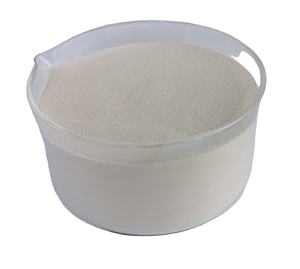
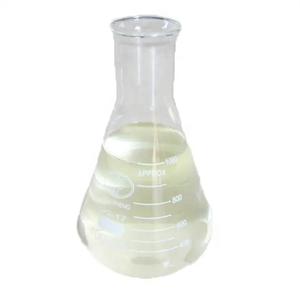
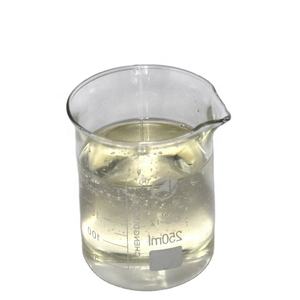
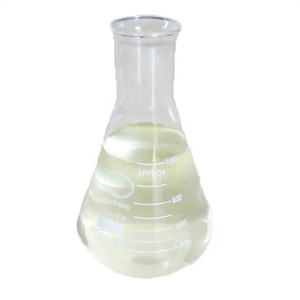
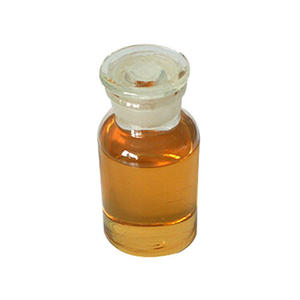
The agent looks like a yellow or brown liquid. It is clear and not cloudy. The solid content is high. This means it works well. The density is about 1.20 g/cm³. The pH value is neutral. It is safe for the concrete mix. It has very little chloride. This protects the steel inside concrete. It stops rust from forming.
It reduces the water needed a lot. You can use less water. This makes the mortar stronger and harder. The mortar stays workable longer. It does not set too fast. You have more time to place and finish it. The agent helps the mortar stick better to surfaces. It improves bond strength. The final mortar is dense and solid. It has fewer holes and cracks. This makes it last longer outside. It handles weather and wear well.
The agent works well with other additives. It mixes easily into the mortar. It keeps the mix stable. It prevents the sand and cement from separating. The finished surface looks smoother. It has fewer marks and imperfections. This product helps save cement. You can use less cement for the same strength. It lowers costs. It is good for building walls, floors, and other structures. It makes the job easier and the result better.
Applications of High Quality Water Reducing Agent for Wet Mixed Mortar Concrete Admixtures & Mortar Additives
High quality water reducing agents are important for wet mixed mortar and concrete. They help builders get better results. These additives reduce the water needed in the mix. Less water makes the concrete stronger. It also helps prevent cracks and improves durability. Builders find this useful for many projects.
Using these agents makes the mortar easier to work with. Workers can spread it more smoothly. This is good for plastering walls and floors. It helps achieve a nice finish. Less water also means the mortar sets properly. This reduces problems like shrinking or cracking later on.
Concrete structures need to be strong. Water reducing agents boost the strength. They let us use less cement sometimes. This saves money. The concrete becomes denser. Denser concrete lasts longer outdoors. It handles weather better. Roads, bridges, and buildings all benefit.
Precast concrete elements need consistent quality. These agents help achieve that. They ensure each piece has the same strength and look. Factories rely on this for efficiency. The mix flows well into molds. This reduces air pockets and imperfections.
Repair work often uses special mortars. Water reducing agents are key here too. They help the repair mortar stick well to old surfaces. They make it flow into cracks properly. This leads to longer-lasting repairs.
Pumping concrete over long distances is common. These agents make the concrete more fluid. It moves easily through pipes. Yet it stays strong after setting. This saves time and effort on big sites.
Adding these agents improves the overall quality. The final product looks better and performs better. Builders get reliable results project after project.
Company Profile
We are the global leader in lightweight concrete and advanced engineered foam solutions. Known globally for its commitment to research, innovation, and applied expertise, we have been providing engineered foam solutions since the early 2012’s.
We can supply high-quality concrete admixture and foam concrete related products all over the world.
The company has a professional technical department and quality supervision department, a well-equipped laboratory, and equipped with advanced testing equipment and after-sales customer service center.
If you are interested, please feel free and contact us.
Payment
T/T, Western Union, Paypal, Credit Card etc.
Shipment
By air, by sea, by express, as customers request.
5 FAQs of High Quality Water Reducing Agent for Wet Mixed Mortar Concrete Admixtures & Mortar Additives
What is a high quality water reducing agent? It helps concrete and mortar use less water. Using less water makes the concrete stronger and last longer. The agent makes the mix flow better too. Workers find it easier to pour and shape.
Why should I use it? The main reason is getting stronger concrete. Less water means fewer holes inside when it hardens. This makes the concrete tough. It also saves water. The mix becomes smoother. Workers can place and finish it much easier.
How do I use this agent? You add it when mixing. Follow the maker’s instructions carefully. Mix everything thoroughly. Make sure the agent spreads evenly. Good mixing gives the best results. Check the mix looks and feels right.
How much agent should I use? The right amount depends on your mix. It depends on the materials. Follow the maker’s suggested dose. Start with their recommendation. Test small batches first. Adjust slightly if needed. Too much or too little causes problems.
Does it work with other additives? Usually, yes. It often works well with other admixtures. Check compatibility first. Test the combination. Some agents might not play well together. Testing avoids bad reactions. Your supplier can advise on safe combinations.