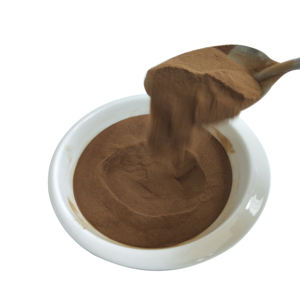
Professional solutions on concrete addtives, Concrete Foaming Agent, Superplasticizer, CLC Blocks Additives, and foaming machine

Admixtures Are Revolutionizing Modern Concrete—Here’s Everything You Need to Know
1. Introduction
Just 24 hours ago, a major breakthrough was announced by researchers at MIT: a new generation of bio-based superplasticizers that reduce carbon emissions by up to 30% while improving concrete flowability. This innovation underscores the growing importance of admixtures in sustainable construction—and why understanding them matters more than ever.

Whether you’re a contractor, engineer, DIY enthusiast, or homeowner planning a renovation, knowing about admixtures can save time, money, and headaches. These concrete additives—often called ‘ad mixtures’—are specially formulated chemicals that modify the properties of fresh or hardened concrete to meet specific project needs.
2. What Are Admixtures?
Admixtures are materials other than cement, water, and aggregates that are added to concrete during mixing to enhance its performance. The term ‘concrete admixture’ covers a wide range of products, from simple plasticizers to advanced crystalline waterproofing systems.
Modern concrete simply wouldn’t function as efficiently without these chemical helpers. In fact, over 80% of commercial concrete today contains some form of admixture used in concrete to control setting time, improve strength, or add durability.
3. Major Types of Concrete Admixtures
3.1 Water-Reducing Admixtures
Water reducing admixtures, also known as concrete water reducers, decrease the amount of water needed in a mix without sacrificing workability. This leads to higher strength and lower permeability. They come in mid-range and high-range varieties—with superplasticizers falling into the latter category.
Superplasticizer in concrete is one of the most widely used chemical admixtures. Made from polycarboxylate ether (PCE) or naphthalene sulfonate, superplasticizers dramatically increase fluidity, allowing for self-consolidating or high-performance concrete mixes. Products like Chryso admixture or PCE-based superplasticizers are industry favorites for their efficiency and compatibility.
3.2 Retarding and Accelerating Admixtures
Concrete retarder admixtures slow down the hydration process, which is essential in hot weather or for long-haul deliveries. On the flip side, accelerating admixtures for concrete—like concrete accelerator curing time enhancers—speed up early strength gain, ideal for cold climates or fast-track projects.
Surface retarder concrete products are also used decoratively to expose aggregates in stamped finishes, while admixture retarders help maintain workability during complex pours.
3.3 Air-Entraining Admixtures
Air entraining concrete contains microscopic air bubbles created by air entraining agents. These bubbles improve freeze-thaw resistance and increase durability in harsh environments. An air entraining admixture is especially critical in regions with icy winters.
Commonly referred to as air entraining cement additives, these admixtures create stable, evenly distributed air voids that act as pressure relief valves when water freezes inside the concrete matrix.
3.4 Waterproofing Admixtures
From integral waterproofer to crystalline waterproofing admixture, these concrete waterproofing additives block moisture penetration from within. Unlike surface sealers, admixture waterproofing works throughout the entire slab.
Popular options include cement waterproofing additive and concrete waterproof admix formulations that react with free lime to form insoluble crystals, effectively sealing capillaries. Brands offer waterproofing admixture for concrete that meets ASTM standards for basements, tunnels, and water tanks.
3.5 Mineral Admixtures
Mineral admixture materials like fly ash, silica fume, and slag are pozzolanic additions that improve long-term strength and reduce heat of hydration. Though not ‘chemical’ in the traditional sense, they’re classified under concrete admixture types due to their functional role.
4. Specialty Additives and Emerging Trends
4.1 Fiber Reinforcement
Fibers for concrete—such as polypropylene fibres for concrete, steel fibers for concrete, or even coconut fiber reinforced concrete—add tensile strength and crack resistance. Fiber reinforced concrete is now standard in industrial floors, shotcrete, and seismic zones.
Macro fibers and microfibers serve different purposes: macro fibers (like steel or synthetic) provide structural reinforcement, while concrete microfiber controls plastic shrinkage. PP fiber concrete and carbon fiber reinforced concrete are gaining traction for high-end applications.
Note: While terms like concrete fiber siding or fibercement siding refer to exterior cladding (e.g., Hardie or CertainTeed products), they’re distinct from internal fiber reinforcement used in structural concrete.
4.2 Foaming Agents for Lightweight Concrete
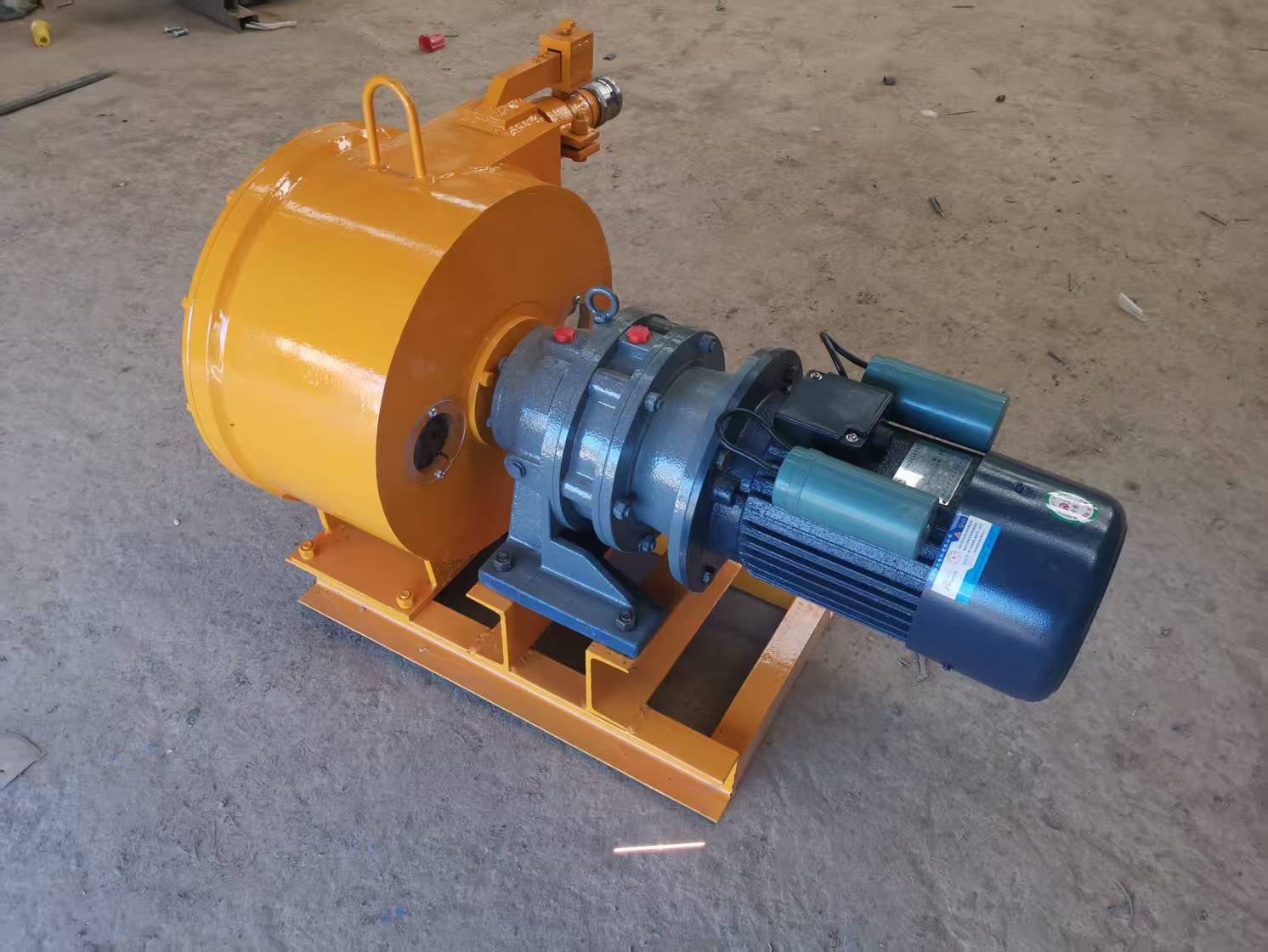
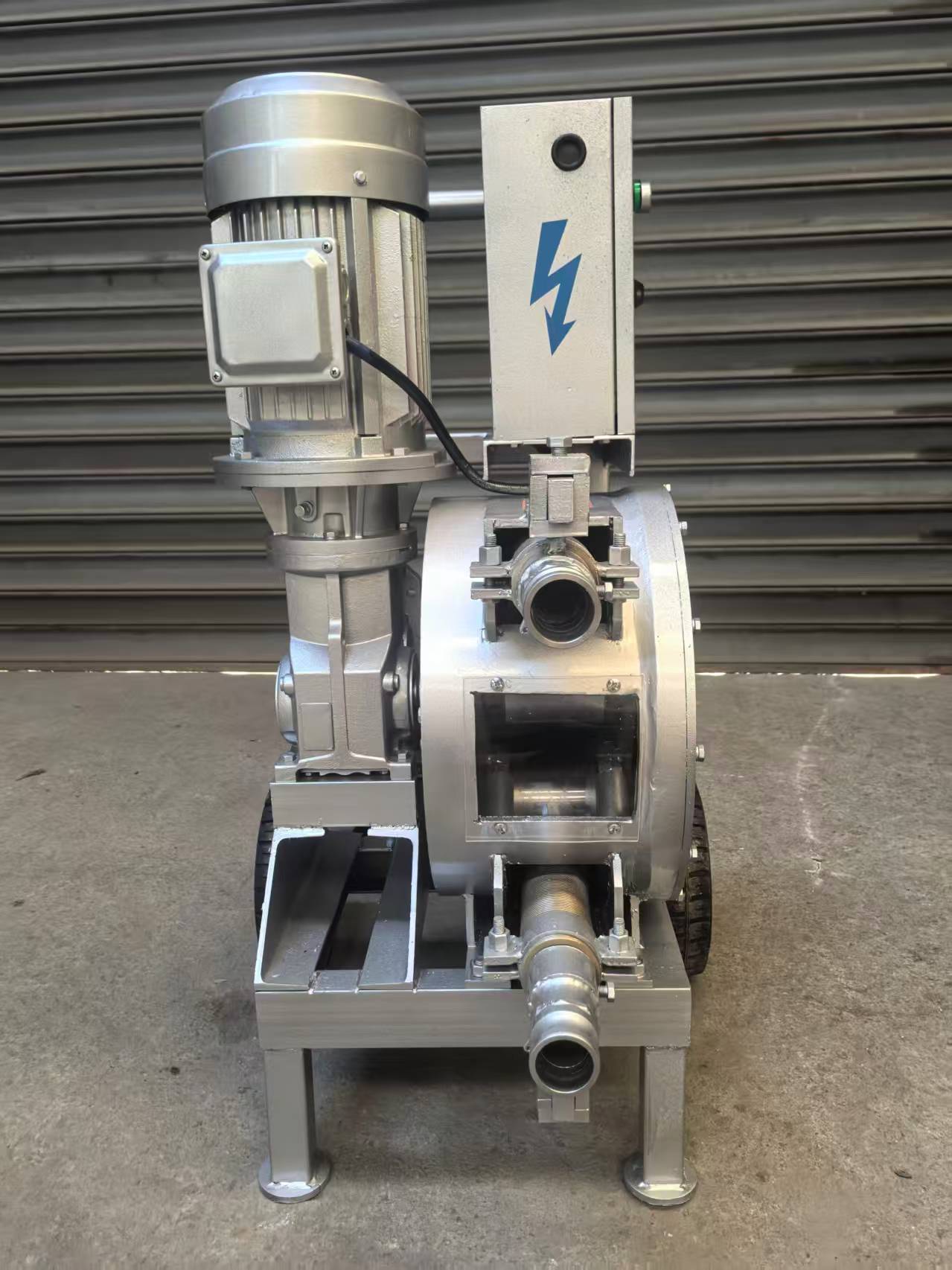
Foaming agent used in foam concrete creates cellular lightweight concrete (CLC). CLC foaming agent—often protein-based or synthetic—produces stable foam that reduces density while maintaining insulation properties.
These agents are essential for foamcrete machines and aircrete production, with growing demand for eco-friendly, low-cost building blocks. The best foaming agent for aircrete balances stability, cost, and environmental impact.
4.3 Color and Release Agents
Colored concrete and stamped concrete colors rely on pigments and release agents. Powder concrete colorants and spray release agents prevent stamps from sticking while adding accent hues like terra cotta, charcoal, or grey stamped concrete tones.
Concrete release agent options include water-based, oil-based, and powder variants—each suited to different formwork or stamping needs.
5. Choosing the Best Admixture for Concrete
The best admixture for concrete depends on your project’s climate, design specs, and performance goals. For high-flow applications, a superplasticizer admixture like polycarboxylate ether is ideal. For wet environments, prioritize a crystalline waterproofing admixture. In freeze-thaw zones, never skip the air entraining agent.
Always consult technical data sheets (sometimes called bio data sheet in error) and consider compatibility with your cement type—especially when using white cement, which requires non-staining additives.
6. Conclusion
Admixtures aren’t just optional extras—they’re essential tools that shape the future of concrete. From superplasticizers that enable ultra-thin architectural elements to waterproof admixes that protect infrastructure for decades, these concrete chemicals solve real-world problems with science and precision. As sustainability drives innovation—like MIT’s new bio-superplasticizers—the role of admixtures will only grow more vital in building smarter, greener, and stronger.
Our Website founded on October 17, 2012, is a high-tech enterprise committed to the research and development, production, processing, sales and technical services of ceramic relative materials such as Admixtures. Our products includes but not limited to Boron Carbide Ceramic Products, Boron Nitride Ceramic Products, Silicon Carbide Ceramic Products, Silicon Nitride Ceramic Products, Zirconium Dioxide Ceramic Products, etc. If you are interested, please feel free to contact us.