Professional solutions on concrete addtives, Concrete Foaming Agent, Superplasticizer, CLC Blocks Additives, and foaming machine

Advanced Admixtures Are Revolutionizing 3D-Printed Concrete Construction
1. Introduction
In a major breakthrough announced just hours ago, COBOD International and CEMEX have unveiled a new formulation of printable concrete that reduces curing time by 40% while maintaining exceptional buildability—thanks to a proprietary blend of accelerating admixtures and high-range water reducers. This development highlights how advanced concrete admixtures are no longer just additives but essential enablers of next-generation construction technologies like 3D printing.
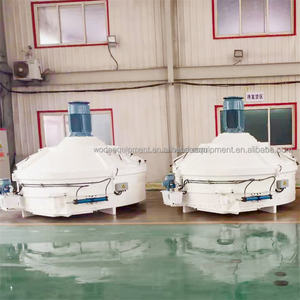
2. The Critical Role of Admixtures in 3D-Printed Concrete
3D-printed concrete demands unique performance characteristics: it must flow smoothly through the printer nozzle yet hold its shape immediately after deposition. Achieving this balance is impossible without precisely engineered concrete admixtures. These chemical solutions fine-tune workability, setting time, and mechanical strength at every stage of the printing process.
2.1. Superplasticizers: Enabling Flow Without Segregation
The backbone of printable concrete mixtures is the superplasticizer. Specifically, polycarboxylate ether (PCE)-based superplasticizers offer high-range water reduction without compromising stability. Unlike traditional naphthalene or melamine-based variants, PCE superplasticizers provide superior slump retention—critical when printing takes hours or days.
Superplasticizer in concrete allows for water reductions of up to 40%, yielding a dense, high-strength matrix while maintaining the fluidity needed for extrusion. This makes superplasticizer admixture the best admixture for concrete in 3D printing applications.
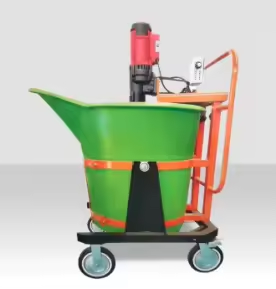
- Polycarboxylate superplasticizer ensures minimal bleeding and segregation
- Enables use of lower water-cement ratios for enhanced durability
- Compatible with other concrete chemicals like accelerators and fibers
2.2. Concrete Accelerators and Retarders: Precision Timing Control
Layer adhesion in 3D printing requires exact control over setting behavior. Too fast, and the material clogs the nozzle; too slow, and layers slump under their own weight. Here, accelerating admixtures for concrete and concrete retarder admixtures work in tandem.
Fast curing concrete additives—often based on calcium nitrate or nano-silica—trigger rapid stiffening after extrusion. Conversely, a surface retarder concrete may be used locally to delay setting at interlayer interfaces, ensuring optimal bonding. This dual approach optimizes concrete accelerator curing time without sacrificing build quality.
2.3. Fiber Reinforcement: Structural Integrity Without Rebar
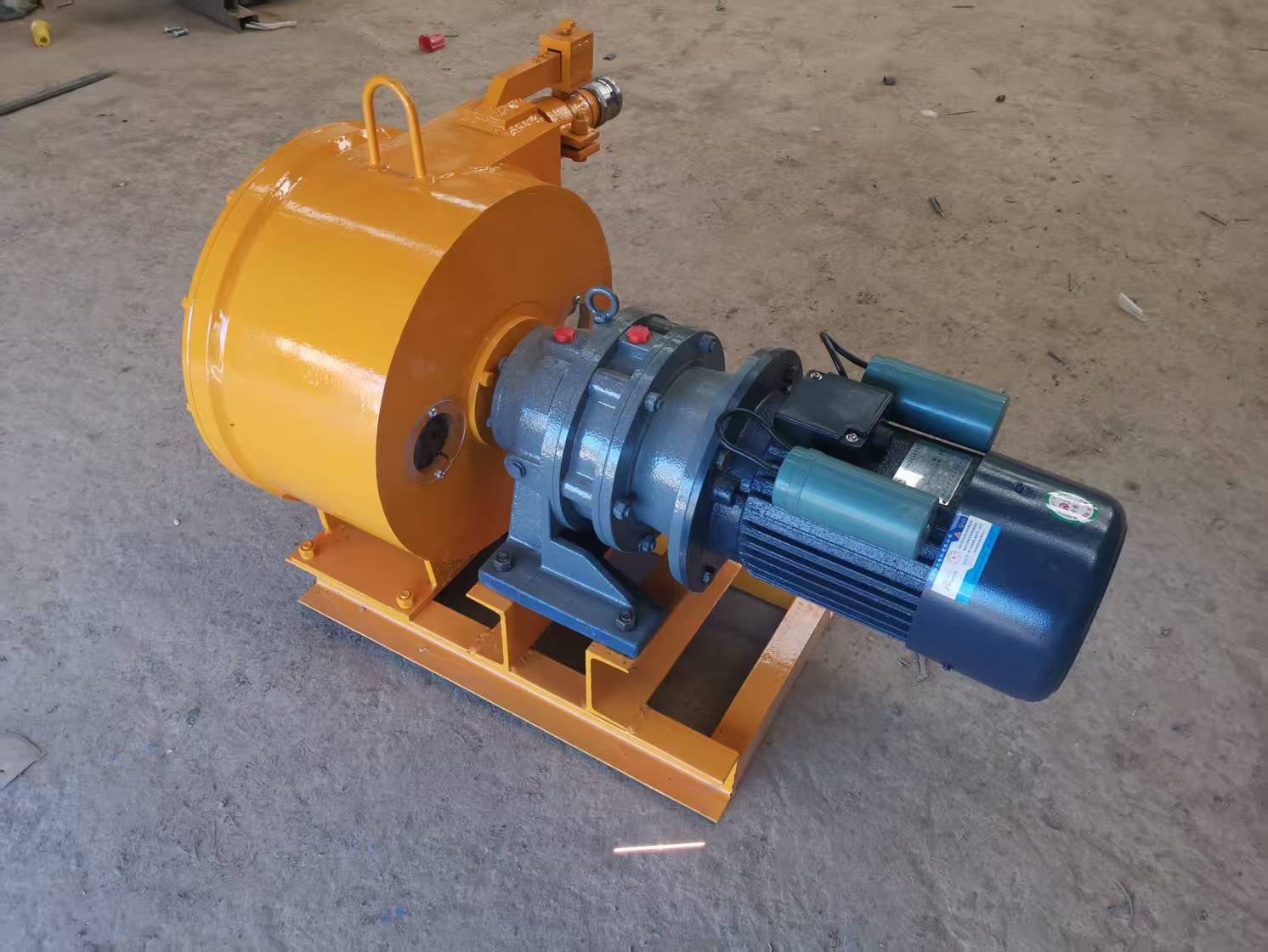
Traditional reinforcement is incompatible with automated printing. Instead, engineers embed reinforcement fiber for concrete directly into the mix. Polypropylene fibres for concrete, steel fibers for concrete, and even macro fibers provide tensile strength, crack resistance, and ductility.
Fiber reinforced concrete eliminates the need for post-installation rebar in many non-load-bearing elements. Products like fibermesh concrete or pp fiber concrete enhance toughness while maintaining printability. Notably, coconut fiber reinforced concrete is gaining traction as a sustainable alternative in low-rise printed structures.
- Polypropylene fibre improves impact resistance
- Steel fiber reinforced concrete boosts flexural strength
- Fibers for concrete mix must be short (<12 mm) to avoid nozzle clogging
3. Specialized Additives for Durability and Finish
Beyond rheology and strength, modern 3D-printed structures require long-term resilience. This is where integral waterproofers and crystalline waterproofing admixtures come into play. A concrete waterproofing additive like a cement waterproofing additive or waterproof admix can be dosed directly into the mix, creating monolithic, moisture-resistant walls.
Similarly, air entraining admixture introduces microscopic air bubbles that improve freeze-thaw resistance—essential for outdoor printed infrastructure. Though less common in printing due to potential foam instability, controlled air entraining remains valuable in cold-climate applications.
4. Real-World Applications and Market Trends
Leading admixture manufacturers—including Chryso—now offer tailored solutions labeled specifically for 3D printing. These include superplasticizer admixtures combined with viscosity-modifying agents and accelerators in pre-blended packages. Meanwhile, contractors increasingly specify concrete additives fiber and waterproofing admixture for concrete to meet building codes without secondary treatments.
The synergy of these technologies is evident in projects like printed affordable housing units and emergency shelters, where speed, cost, and performance converge. As adoption grows, so does demand for reliable data sheets (bio data sheet) detailing compatibility, dosage, and performance metrics of each admixture chemical.
5. Conclusion
Admixtures are no longer auxiliary ingredients—they are the linchpin of innovation in 3D-printed concrete. From polycarboxylate superplasticizers to polypropylene fibers and crystalline waterproofing admixtures, each concrete admixture type plays a calibrated role in transforming digital designs into physical reality. As the industry evolves, the best admixture for concrete will be defined not by generic performance but by its precision fit within advanced, automated construction workflows.
Our Website founded on October 17, 2012, is a high-tech enterprise committed to the research and development, production, processing, sales and technical services of ceramic relative materials such as Advanced. Our products includes but not limited to Boron Carbide Ceramic Products, Boron Nitride Ceramic Products, Silicon Carbide Ceramic Products, Silicon Nitride Ceramic Products, Zirconium Dioxide Ceramic Products, etc. If you are interested, please feel free to contact us.