Professional solutions on concrete addtives, Concrete Foaming Agent, Superplasticizer, CLC Blocks Additives, and foaming machine

How Advanced Admixtures Are Revolutionizing Fiber-Reinforced Concrete for Modern Siding
1. Introduction
Just 24 hours ago, James Hardie Industries announced a major expansion of its North American fibercement siding production lines, citing surging demand for low-maintenance, fire-resistant home exteriors that mimic natural wood. This move underscores a growing trend: builders and homeowners are increasingly turning to concrete siding not just for aesthetics—but for performance. And behind every high-quality panel is a carefully engineered cocktail of concrete admixtures.
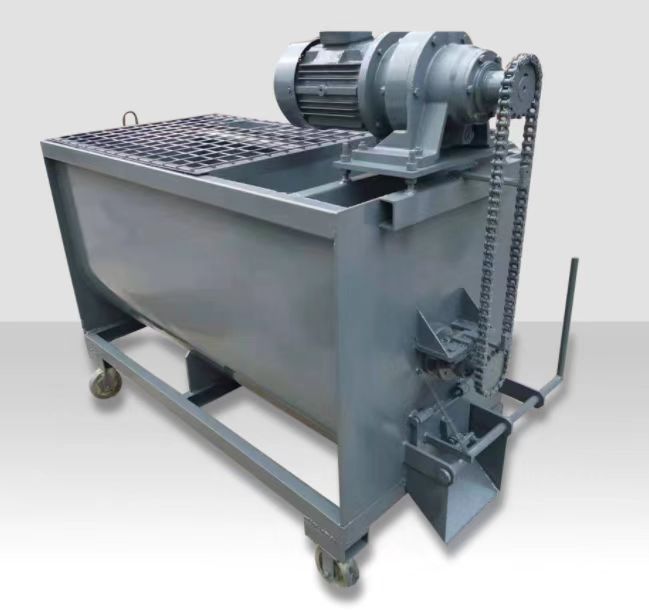
Admixtures—the unsung heroes of modern concrete—are transforming niche applications like fibercement siding from brittle building materials into resilient, versatile cladding solutions. Let’s dive into how specific admixture types are making this possible.
2. Why Fibercement Siding Needs Specialized Admixtures
Fibercement siding blends Portland cement, sand, water, and cellulose or synthetic fibers to create panels that look like wood but last decades longer. However, achieving the right balance of fluidity during manufacturing, early strength for fast demolding, and long-term durability requires precision chemistry.
Without the right concrete additives, the mix would be too stiff to form thin panels, prone to cracking during curing, or vulnerable to moisture damage over time. That’s where advanced admixtures step in.
2.1. Superplasticizers: Enabling Thin, Strong Panels
The best admixture for concrete in fibercement production is often a high-range water reducer—specifically, a polycarboxylate ether (PCE) superplasticizer. These super plasticizers dramatically reduce water content while maintaining flowability, allowing manufacturers to cast ultra-thin yet dense panels.
Superplasticizer in concrete improves particle dispersion, which enhances compaction without vibration—a critical factor in automated production lines. Brands like Chryso offer tailored superplasticizer admixture formulations that work seamlessly with polypropylene fibres for concrete, ensuring even fiber distribution and preventing balling.
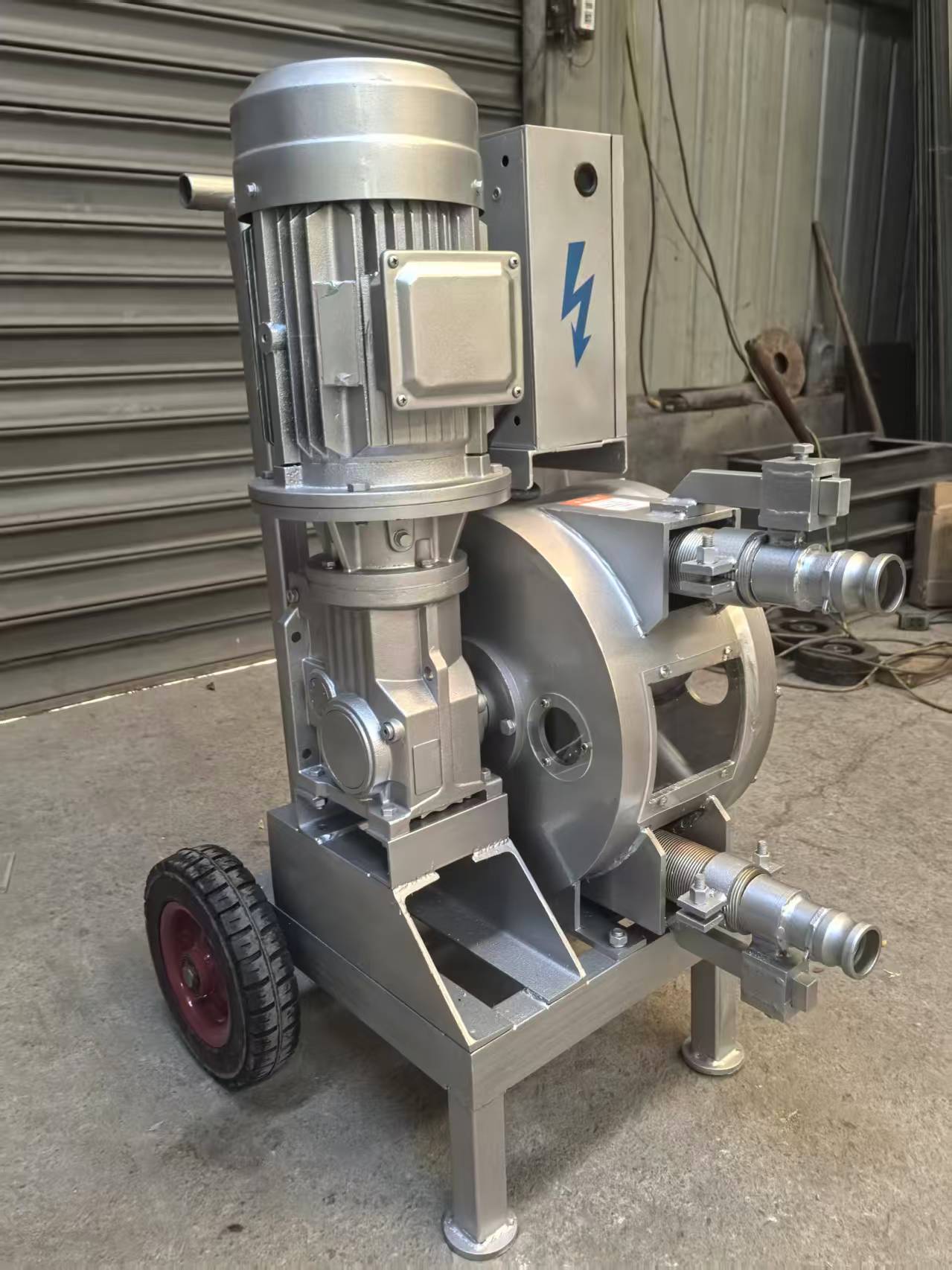
- PCE-based superplasticizers reduce water by up to 40%
- Enable faster line speeds in precast facilities
- Improve surface finish for realistic wood-grain textures
2.2. Waterproofing Admixtures: Guarding Against Moisture Damage
Unlike traditional wood siding, concrete siding must resist water absorption to prevent swelling, freeze-thaw spalling, and mold growth. Here, integral waterproofers play a vital role.
Crystalline waterproofing admixture reacts with cement and water to form insoluble crystals that block capillary pores. This admixture waterproofing approach is far more durable than surface sealers, which wear off over time. Cement waterproofing additive systems—often combined with air entraining agents—create a dual defense: internal pore blocking plus microscopic air bubbles that relieve pressure during freezing.
Concrete waterproof admix technologies have evolved to work synergistically with fiber reinforcement, ensuring that even hairline cracks don’t become moisture pathways.
2.3. Fiber Reinforcement + Chemical Synergy
Fibers for concrete—whether polypropylene, steel, or even coconut fiber—add tensile strength and crack resistance. But they also increase viscosity, making the mix harder to process.
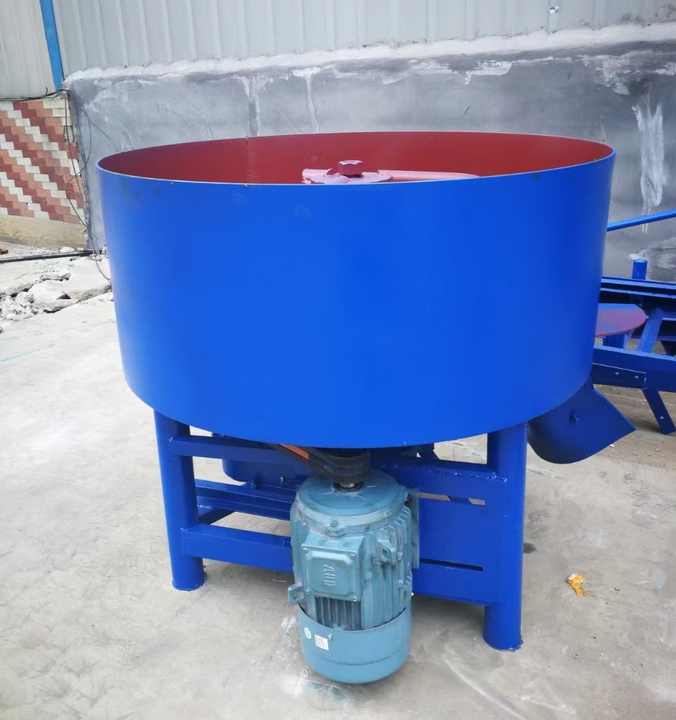
That’s why plasticizer for concrete (also called concrete plasticiser) is essential. A well-chosen plasticizer admixture counteracts the thickening effect of reinforcement fiber for concrete, maintaining workability without extra water—which would weaken the final product.
In modern fiber reinforced concrete mixes, you’ll often find:
- Macro fibers for impact resistance
- Microfibers (like PP fiber concrete) to control plastic shrinkage
- Air entraining concrete additives to boost freeze-thaw durability
2.4. Accelerators and Retarders: Optimizing Curing Time
Precast siding plants run on tight schedules. Fast curing concrete additives—such as concrete accelerator curing time reducers—allow demolding in under 4 hours. Calcium nitrate or amine-based accelerating admixtures for concrete speed early hydration without compromising long-term strength.
Conversely, in hot climates or during transport delays, a concrete retarder admixture (or surface retarder concrete for textured finishes) prevents premature setting. Admixture retarder options give producers flexibility without sacrificing quality.
3. Real-World Impact: From Home Depot to High-End Builds
Products like Hardie concrete siding and CertainTeed concrete siding rely on these advanced concrete chemicals to deliver consistent performance. Homeowners searching for ‘concrete siding that looks like wood’ or ‘cement siding looks like wood’ are unknowingly benefiting from decades of admixture innovation.
Even DIYers using home depot concrete siding kits depend on pre-formulated concrete additives fiber systems that ensure reliability. Meanwhile, architects specifying modern concrete siding for luxury homes count on mineral admixture blends and carbon fiber reinforcement in concrete for structural integrity and sleek aesthetics.
4. Conclusion
The future of building exteriors isn’t just about looks—it’s about smart chemistry. From superplasticizer admixture enabling razor-thin panels to crystalline waterproofing admixture locking out moisture, concrete admixture types are the invisible backbone of today’s high-performance fibercement siding. As demand grows for sustainable, fire-safe, and beautiful cladding, expect even more innovation in admixture used in concrete—proving once again that sometimes, the smallest ingredients make the biggest difference.
Our Website founded on October 17, 2012, is a high-tech enterprise committed to the research and development, production, processing, sales and technical services of ceramic relative materials such as How. Our products includes but not limited to Boron Carbide Ceramic Products, Boron Nitride Ceramic Products, Silicon Carbide Ceramic Products, Silicon Nitride Ceramic Products, Zirconium Dioxide Ceramic Products, etc. If you are interested, please feel free to contact us.