Professional solutions on concrete addtives, Concrete Foaming Agent, Superplasticizer, CLC Blocks Additives, and foaming machine

10 Essential Types of Admixtures Every Concrete Professional Should Know
1. Introduction
Concrete is one of the most widely used construction materials globally, but its basic composition often requires enhancement to meet modern engineering demands. This is where admixtures come into play. Admixtures are chemical or mineral additives incorporated into concrete during mixing to modify its properties in both fresh and hardened states. From improving flowability to accelerating curing or enhancing waterproofing, the right admixture can significantly elevate performance, durability, and cost-efficiency. Understanding the various types of concrete admixtures—and their specific applications—is essential for any professional working with concrete today.
2. Superplasticizers: The Workability Game-Changer
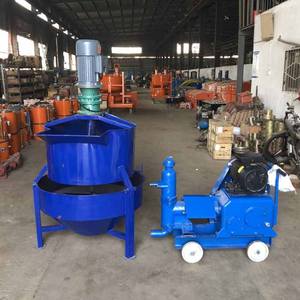
Superplasticizers, also known as high-range water reducers, are among the most impactful concrete admixtures. These chemical admixtures dramatically increase the fluidity of concrete without adding extra water, which would otherwise weaken the final structure. Superplasticizer in concrete enables the production of self-consolidating or high-strength mixes with excellent workability. Polycarboxylate ether (PCE)-based superplasticizers represent the latest generation, offering superior slump retention and compatibility with modern cements compared to older naphthalene or melamine-based types. Whether labeled as super plasticizers, plasticizer for concrete, or concrete superplasticizer additive, these products are indispensable in precast, high-rise, and infrastructure projects.
3. Accelerators and Retarders: Controlling Curing Time
Construction schedules often dictate the need to either speed up or delay concrete setting. Accelerating admixtures for concrete, such as calcium nitrate or proprietary blends, reduce initial set time and boost early strength—ideal for cold-weather pours or fast-track repairs. Conversely, concrete retarder admixtures slow hydration, allowing extended placement times in hot climates or for complex pours. Surface retarder concrete products are even used decoratively to expose aggregates. Both admixture retarder and concrete accelerator curing time modifiers fall under the broader category of chemical admixture for concrete designed to fine-tune setting behavior.
4. Air-Entraining Admixtures for Freeze-Thaw Resistance
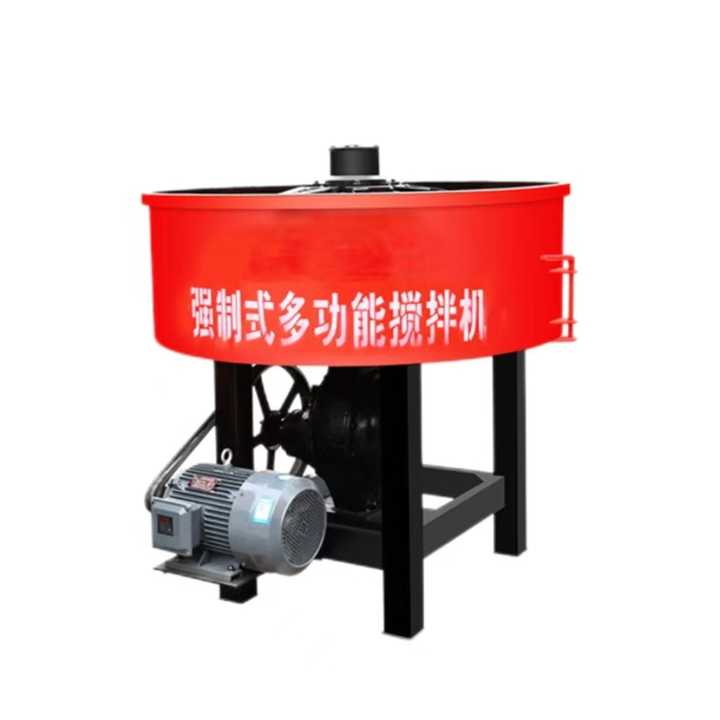
Air entraining concrete contains microscopic air bubbles intentionally introduced via air entraining admixture. These bubbles act as pressure relief valves during freeze-thaw cycles, preventing internal cracking and spalling. An air entraining agent is especially critical in regions with harsh winters. Often confused with foam agents, true air entraining cement additives create stable, evenly distributed voids—not large foam cells—and are distinct from foaming agents used in lightweight cellular concrete.
5. Waterproofing and Integral Protection
Waterproofing admixture for concrete offers long-term protection against moisture ingress, chloride penetration, and corrosion. Options include integral waterproofer systems like crystalline waterproofing admixture, which reacts with cement to form insoluble crystals that block capillaries, and cement waterproofing additive formulations based on hydrophobic polymers. Unlike surface sealers, admixture waterproofing becomes part of the matrix itself, providing durable, maintenance-free defense. Products marketed as concrete waterproof admix or waterproof admix are increasingly specified in basements, tunnels, and marine structures.
6. Fiber Reinforcement: Beyond Steel Rebar
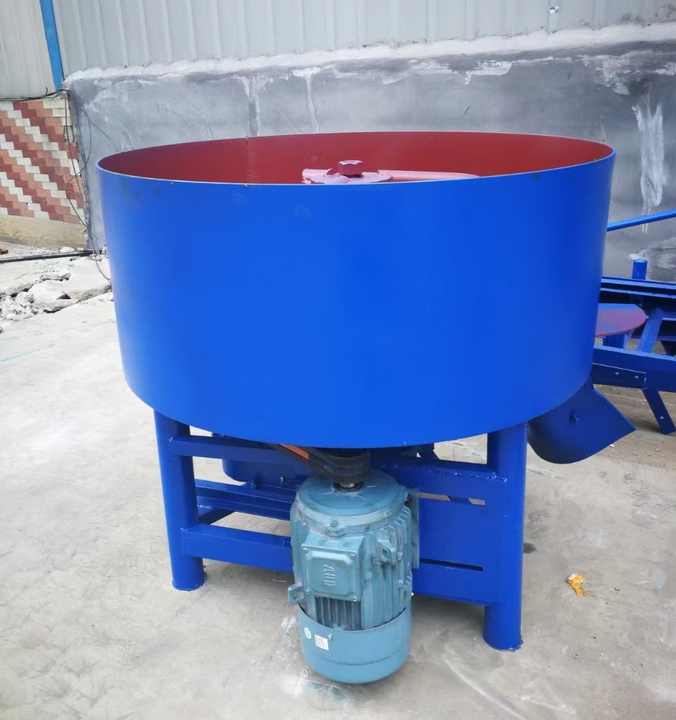
Fibers for concrete—such as polypropylene fibres for concrete, steel fibers for concrete, or even coconut fiber reinforced concrete—enhance tensile strength, crack resistance, and impact toughness. Fiber reinforced concrete is used in industrial floors, shotcrete, and seismic zones. Macro fibers and microfibers serve different purposes: macro fibers provide structural reinforcement (e.g., fibermesh concrete), while microfibers control plastic shrinkage. Modern concrete siding, including fibercement siding from brands like Hardie or CertainTeed, often incorporates fiber reinforcement for durability and a wood-like aesthetic.
7. Foaming Agents for Lightweight Concrete
Foaming agent for foam concrete enables the creation of cellular lightweight concrete (CLC), used in insulation blocks and non-load-bearing walls. CLC foaming agent—often protein-based or synthetic—generates stable foam that reduces density without sacrificing integrity. While not a traditional admixture, foaming agent used in concrete falls under specialty concrete chemicals. Best foaming agent for aircrete selections balance stability, cost, and environmental impact, with prices varying by formulation and volume.
8. Release Agents and Colorants for Decorative Concrete
For stamped or colored concrete, form release agents prevent sticking during demolding. Available as powder release agent for concrete or spray release agent, these products often include pigments to add accent colors to stamped patterns. Colored concrete powder and concrete stain powder allow customization, from charcoal stamped concrete to terra cotta hues. Water-based release agents are eco-friendly alternatives to traditional oils, while mold release sprays ensure clean pattern transfer without surface defects.
9. White Cement and Aesthetic Applications
White cement, prized for its bright finish, is used in architectural concrete, countertops, and decorative elements. Though more expensive than gray Portland cement, white concrete offers unmatched versatility for tinted or exposed-aggregate finishes. Waterproof white cement variants combine aesthetics with functionality, making them ideal for façades and interior features where both appearance and moisture resistance matter.
10. Selecting the Best Admixture for Your Project
Choosing the best admixture for concrete depends on environmental conditions, structural requirements, and desired aesthetics. Leading brands like Chryso offer tailored solutions across admixture types—from superplasticizer admixture to concrete additives fiber systems. Always consult technical data sheets and consider compatibility with local materials. Whether you need a concrete water reducer, an accelerating admixtures for concrete, or a crystalline waterproofing admixture, the right choice ensures performance, longevity, and value.
Conclusion
Admixtures have revolutionized modern concrete technology, transforming it from a simple mixture into a high-performance, customizable material. By understanding the roles of superplasticizers, accelerators, air-entraining agents, waterproofing compounds, fibers, and other concrete chemicals, professionals can optimize every pour for strength, durability, and efficiency. As innovation continues—especially in sustainable and smart admixtures—the future of concrete remains firmly rooted in intelligent admixture use.
Our Website founded on October 17, 2012, is a high-tech enterprise committed to the research and development, production, processing, sales and technical services of ceramic relative materials such as 10. Our products includes but not limited to Boron Carbide Ceramic Products, Boron Nitride Ceramic Products, Silicon Carbide Ceramic Products, Silicon Nitride Ceramic Products, Zirconium Dioxide Ceramic Products, etc. If you are interested, please feel free to contact us.