Professional solutions on concrete addtives, Concrete Foaming Agent, Superplasticizer, CLC Blocks Additives, and foaming machine

Master the Essentials of Admixtures for High-Performance Concrete
1. Introduction
Just 24 hours ago, a major breakthrough in sustainable construction was announced: researchers at ETH Zurich unveiled a new generation of bio-based superplasticizers derived from agricultural waste, promising high performance with a drastically reduced carbon footprint. This innovation underscores a growing industry shift toward greener, smarter concrete solutions—and at the heart of this evolution are admixtures.
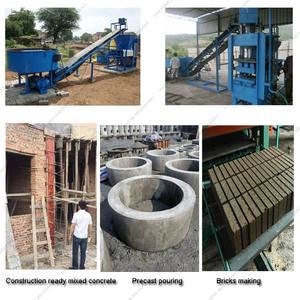
Admixtures—often called ‘concrete chemicals’ or ‘concrete additives’—are materials added to concrete before or during mixing to modify its properties. Whether you’re pouring a driveway, building a skyscraper, or crafting decorative stamped concrete, the right admixture can make all the difference. In this guide, we’ll break down everything you need to know about admixtures, including types, uses, and how to choose the best admixture for concrete.
2. What Are Admixtures?
Admixtures are substances other than water, aggregates, and cement that are added to concrete mixes to enhance specific characteristics. They can be chemical (like superplasticizers or accelerators) or mineral (like fly ash or silica fume). The goal? Improve workability, control setting time, increase strength, add color, or boost durability against weather, corrosion, or water damage.
Modern construction rarely uses plain concrete. Instead, nearly every commercial and residential project relies on carefully selected admixture used in concrete to meet performance and aesthetic demands.
3. Major Types of Concrete Admixtures
3.1 Chemical Admixtures
Chemical admixtures are liquid or powder additives that react with cement or alter the mix’s physical behavior. Common categories include:
- Water reducing admixtures (also called concrete water reducers): These reduce the water content needed for a given slump, increasing strength without sacrificing workability. High-range water reducers are often synonymous with superplasticizers.
- Superplasticizer admixture: Among the most widely used today, superplasticizers—especially polycarboxylate ether (PCE)-based types—allow for highly flowable yet strong concrete. Superplasticizer in concrete enables self-consolidating mixes ideal for complex forms or dense reinforcement.
- Concrete accelerator: Speeds up curing time, crucial in cold weather or fast-track projects. Accelerating admixtures for concrete help achieve early strength quickly.
- Concrete retarder: Delays setting time, useful in hot climates or for long hauls. A concrete retarder admixture gives crews more time to place and finish the slab.
- Air entraining admixture: Introduces microscopic air bubbles that improve freeze-thaw resistance. Air entraining concrete is standard in northern climates. An air entraining agent protects against cracking caused by ice expansion.
- Waterproofing admixture: Includes integral waterproofers and crystalline waterproofing admixtures that block capillary pores. A concrete waterproofing additive or cement waterproofing additive ensures long-term moisture resistance without surface coatings.
3.2 Mineral Admixtures
Mineral admixtures like slag, fly ash, and silica fume are pozzolanic materials that react with calcium hydroxide to form additional cementitious compounds. They enhance durability, reduce heat of hydration, and lower CO₂ emissions. Often grouped under ‘cement admixture,’ these are key to sustainable concrete design.
4. Specialty Additives & Emerging Trends
4.1 Fiber Reinforcement
Fibers for concrete—such as polypropylene fibres for concrete, steel fibers for concrete, or even coconut fiber reinforced concrete—add tensile strength and crack control. Fiber reinforced concrete is now common in industrial floors, shotcrete, and even siding. Products like Hardie concrete siding and CertainTeed concrete siding use fiberfor concrete mix to mimic wood grain while offering fire and pest resistance. Modern concrete siding options, including concrete fiber siding that looks like wood, are gaining popularity for their durability and low maintenance.
4.2 Foaming Agents
For lightweight applications like CLC (cellular lightweight concrete) blocks, a concrete foaming agent creates stable air voids. Protein-based or synthetic foaming agents for foam concrete produce insulating, low-density structures. Equipment like foamcrete machines rely on consistent foaming agent used in concrete to maintain quality.
4.3 Color and Release Agents
Colored concrete and stamped concrete colors (from charcoal to terra cotta) rely on pigments and release agents. A concrete release agent—powder or spray—prevents stamps from sticking. Popular choices include water-based release agents and colored release powders that double as accent hues.
5. Choosing the Best Admixture for Your Project
The best admixture for concrete depends on your goals:
- Need high flow without extra water? Go for a polycarboxylate superplasticizer—the gold standard among super plasticizers.
- Pouring in winter? Use a concrete accelerator to shorten curing time.
- Building a basement or water tank? Opt for a crystalline waterproofing admixture or integral waterproofer.
- Crafting decorative surfaces? Combine a plasticizer for concrete with a quality release agent and color powder.
Brands like Chryso offer tailored admixture solutions, but always check compatibility with your cement type and local conditions.
6. Conclusion
From superplasticizer admixtures that revolutionize workability to fiber reinforcement that replaces traditional rebar in some applications, admixtures are indispensable in modern concrete technology. As sustainability drives innovation—like bio-sourced PCE superplasticizers or coconut fibre concrete—the future of construction lies in smart, multifunctional additives. Whether you’re a contractor, engineer, or DIYer sourcing from Home Depot or specialty suppliers, understanding concrete admixture types empowers you to build stronger, longer-lasting, and more beautiful structures.
Our Website founded on October 17, 2012, is a high-tech enterprise committed to the research and development, production, processing, sales and technical services of ceramic relative materials such as Master. Our products includes but not limited to Boron Carbide Ceramic Products, Boron Nitride Ceramic Products, Silicon Carbide Ceramic Products, Silicon Nitride Ceramic Products, Zirconium Dioxide Ceramic Products, etc. If you are interested, please feel free to contact us.