Professional solutions on concrete addtives, Concrete Foaming Agent, Superplasticizer, CLC Blocks Additives, and foaming machine

What Are Admixtures and Why Are They Essential in Modern Concrete Construction?
1. Introduction
Just 24 hours ago, a major construction materials supplier announced a breakthrough in eco-friendly superplasticizer formulations using bio-based polycarboxylate ether (PCE), signaling a shift toward greener concrete solutions worldwide. This innovation highlights how vital admixtures have become in modern building practices—not just for performance, but for sustainability too.
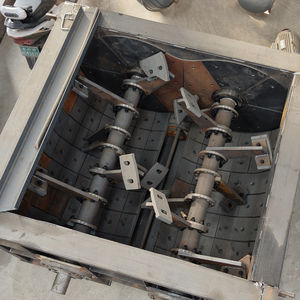
Admixtures—often called ‘concrete additives’ or ‘concrete chemicals’—are ingredients added to concrete, mortar, or grout during mixing to modify its properties. Whether you’re pouring a driveway, building a high-rise, or installing concrete siding, the right admixture can make all the difference in strength, curing time, and longevity.
2. What Are Admixtures?
Admixtures are chemical or mineral substances added to concrete before or during mixing to enhance specific characteristics. These include improved workability, faster setting, increased strength, or better resistance to weather and water. The term ‘ad mixtures’ is sometimes used informally, but professionals refer to them as ‘admixture used in concrete’ or simply ‘cement admixture.’
Modern construction rarely uses plain concrete. Instead, engineers specify precise admixture types based on project needs—from residential patios to industrial infrastructure.
3. Common Types of Concrete Admixtures
There’s a wide range of admixture types, each serving a unique purpose. Here are the most widely used categories:
- Water reducing admixtures (also called concrete water reducers) decrease the water content while maintaining workability, boosting strength and durability.
- Superplasticizers (or super plasticizers) are high-range water reducers that dramatically increase flow without adding water. Polycarboxylate ether (PCE)-based superplasticizers are now considered the best admixture for concrete due to their efficiency and low dosage requirements.
- Concrete retarders slow down the setting time—ideal for hot weather or long hauls. A concrete retarder admixture gives crews more time to place and finish the slab.
- Concrete accelerators speed up curing. Accelerating admixtures for concrete reduce waiting time, especially useful in cold climates or fast-track projects.
- Air entraining admixtures introduce tiny air bubbles that improve freeze-thaw resistance. This ‘air entraining concrete’ technique is critical in northern regions.
- Waterproofing admixtures like integral waterproofer or crystalline waterproofing admixture block moisture penetration from within the concrete matrix.
4. Superplasticizers: The Game-Changer in Concrete Technology
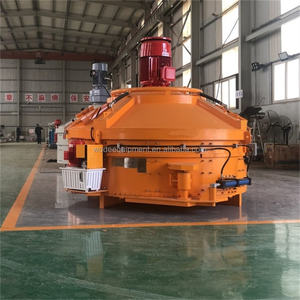
Superplasticizer in concrete has revolutionized mix design. Unlike traditional plasticizer for concrete, modern superplasticizer admixtures—especially PCE-based ones—offer superior slump retention and minimal slump loss over time.
These concrete superplasticizer additives allow for high-strength, self-consolidating concrete with less cement, lowering costs and carbon footprint. Contractors often search for ‘superplasticizer near me’ or ‘superplasticizer home depot’ when sourcing these essential chemicals.
5. Waterproofing and Specialty Additives
Waterproof admix solutions protect structures from dampness and corrosion. A concrete waterproofing additive or cement waterproofing additive can be integral (mixed in) or surface-applied. Crystalline waterproofing admixture reacts with water and unhydrated cement to form insoluble crystals that seal pores permanently.
For homes, products like ‘concrete siding that looks like wood’ often incorporate admixture waterproofing to resist rain and humidity—making brands like Hardie concrete siding and Certainteed concrete siding popular choices.
6. Fiber Reinforcement: Beyond Traditional Rebar
Fibers for concrete—such as polypropylene fibres for concrete, steel fibers for concrete, or even coconut fiber reinforced concrete—add tensile strength and crack control. This ‘fiber reinforced concrete’ eliminates or reduces the need for steel mesh in slabs and overlays.
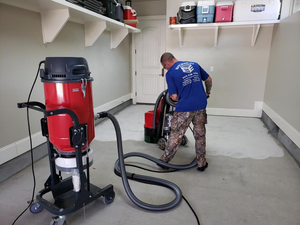
Macro fibers and microfibers serve different roles: macro fibers bridge cracks, while concrete microfiber improves cohesion. PP fiber concrete and fibermesh concrete are common in driveways, sidewalks, and industrial floors.
7. Foaming Agents and Lightweight Concrete
Foaming agent for foam concrete enables the production of cellular lightweight concrete (CLC). CLC foaming agent creates stable air bubbles, resulting in blocks that are lighter, insulating, and fire-resistant. Protein-based and synthetic foaming agents are both used, with prices varying by region and quality.
Contractors using foamcrete machines rely on consistent foaming agent used in concrete to ensure uniform density and strength in walls or precast elements.
8. Color, Release Agents, and Aesthetics
Colored concrete and stamped concrete colors add visual appeal to patios and walkways. Powder concrete colorants, release agents (like concrete mold release or spray release agent), and tinted concrete systems allow endless design options—from charcoal stamped concrete to terra cotta concrete color.
Proper use of a concrete form release agent prevents sticking and preserves intricate patterns during demolding.
9. White Cement and Specialty Finishes
White cement—used in white concrete countertops, white concrete pavers, and decorative facades—offers a clean, bright alternative to gray mixes. It’s often paired with superplasticizers to maintain fluidity without compromising whiteness.
Though more expensive than standard Portland cement, white cement price has stabilized due to rising demand in architectural projects.
10. Conclusion
From superplasticizer admixture to air entraining agent and fiberfor concrete mix, admixtures are indispensable in today’s construction landscape. They solve real-world challenges: speeding up builds, enhancing durability, enabling creative designs, and supporting sustainability. Whether you’re a DIYer at Home Depot or a civil engineer on a mega-project, understanding concrete admixture types ensures smarter, stronger, and longer-lasting results.
Our Website founded on October 17, 2012, is a high-tech enterprise committed to the research and development, production, processing, sales and technical services of ceramic relative materials such as What. Our products includes but not limited to Boron Carbide Ceramic Products, Boron Nitride Ceramic Products, Silicon Carbide Ceramic Products, Silicon Nitride Ceramic Products, Zirconium Dioxide Ceramic Products, etc. If you are interested, please feel free to contact us.