Professional solutions on concrete addtives, Concrete Foaming Agent, Superplasticizer, CLC Blocks Additives, and foaming machine

How to Select and Apply Form Oil Release Agent for Perfect Precast Concrete Every Time
The Silent Problem on the Precast Yard
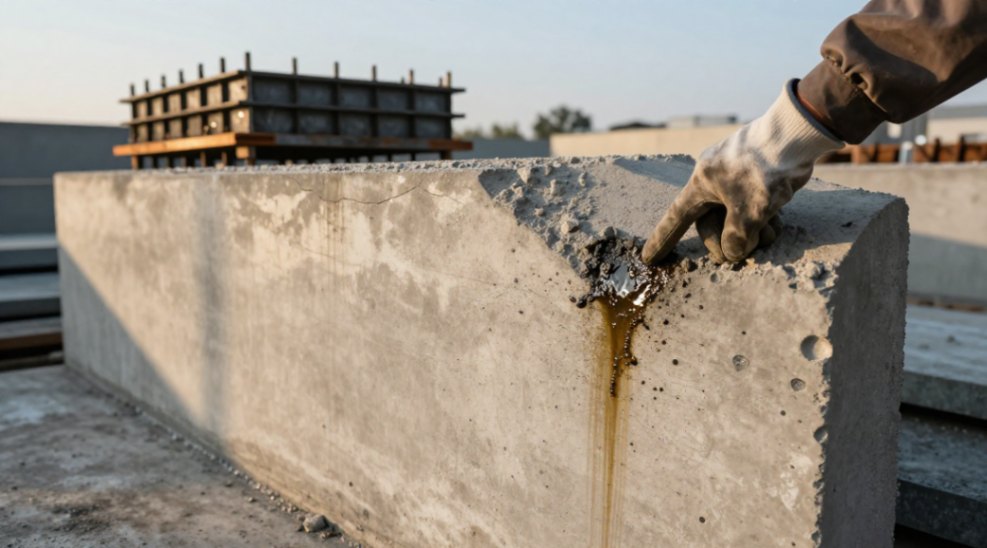
Have you ever started your production day, only to find a critical panel stuck fast in its steel mold? Or perhaps you’ve demolded a piece to discover a permanently blemished surface, riddled with pitting or oil stains. These are not just minor annoyances. They are costly failures that destroy profit margins and project timelines. The root cause often lies in one overlooked detail: the form oil release agent for precast concrete molds. Choosing the wrong agent or applying it incorrectly compromises everything. This guide provides the objective, experience-driven knowledge to eliminate these problems permanently.
Step 1: Understand the Core Function and Types
A form oil release agent is not a simple lubricant. It is a precisely engineered chemical barrier applied to the interior of a mold before casting concrete. Its primary functions are threefold: facilitate a clean release without mechanical force, protect the mold surface from abrasion and chemical attack, and contribute to the specified architectural finish of the concrete. Using the wrong type guarantees failure.
1.1 The Three Primary Agent Families
All commercial release agents fall into one of three categories based on their chemical mechanism. Your project’s requirements dictate your choice.
| Type | Mechanism | Primary Advantage | Common Use Case |
|---|---|---|---|
| Barrier Agent | Forms a physical film (e.g., petroleum oil, vegetable oil) between mold and concrete. | Excellent mold protection, forgiving on application. | Standard structural elements, steel molds, simple geometries. |
| Reactive Agent | Chemically reacts with calcium hydroxide in fresh concrete to form a soapy release layer. | Superior surface finish, minimal risk of staining. | Architectural finishes, exposed aggregate, light-colored concrete. |
| Combination Agent | Blends barrier and reactive chemistries for dual-action performance. | Balanced performance: good release on complex shapes and quality finish. | Complex mold geometries (e.g., fiberglass), projects requiring both durability and aesthetics. |
Step 2: Define Your Selection Criteria
Do not select an agent based on habit or price alone. Evaluate these critical properties against your specific project’s needs.
| Selection Criterion | Key Questions to Ask | Impact on Outcome |
|---|---|---|
| Non-Staining Performance | Will the agent discolor light or pigmented concrete? Does it leave an oily residue? | Directly determines final aesthetic. Reactive agents excel here. |
| Low VOC Content | Does the formulation comply with local air quality regulations for your plant? | Affects worker safety, plant ventilation requirements, and environmental compliance. |
| Mold Material Compatibility | Is your mold steel, fiberglass, ABS plastic, or elastomeric? Some agents degrade certain plastics. | Prevents costly mold damage. Always consult the agent’s technical data sheet. |
| Application Temperature Range | Will you be applying in a cold yard or a hot, humid climate? | Dictates film formation. An agent that “muds up” or runs off in heat is useless. |
| Required Surface Finish | Is the element structural (hidden) or architectural? Will it be painted or receive a sealer? | Barrier oils can inhibit paint adhesion. Reactive agents provide a chemically clean surface. |
Many users on industry forums report a common mistake: using a heavy barrier oil on an intricate fiberglass mold for a white architectural panel. The result is always poor release in fine details and persistent yellow staining. The wrong choice is expensive.
Step 3: Execute a Flawless Application Process
Even the best agent fails with poor technique. Uniform, thin coverage is the universal rule. Thick, uneven application causes runs, staining, and weak spots leading to adhesion.
- Mold Preparation: The mold must be clean, dry, and warm. Remove all concrete residue, old agent, and dust. A mold temperature above 5°C (41°F) is critical for proper film formation.
- Agent Preparation: Agitate or stir the agent as per manufacturer instructions. Never apply straight from a cold storage drum.
- Application Method: For large steel molds, use a low-pressure, high-volume sprayer (LVLP) with a fan tip. Hold the nozzle 25-30 cm (10-12 inches) from the surface. Apply two thin, cross-hatched coats, allowing the first to flash off. For complex or small molds, use a soft brush or lint-free roller to ensure coverage in corners and on textures.
- Curing/Wait Time: Allow the applied film to fully dry or cure to a tack-free state before placing concrete. This time varies by chemistry and climate. Rushing this step is the most frequent cause of paste adhesion.
Step 4: Anticipate and Solve Common Problems
Troubleshooting is a diagnostic skill. Here are direct solutions to frequent issues.
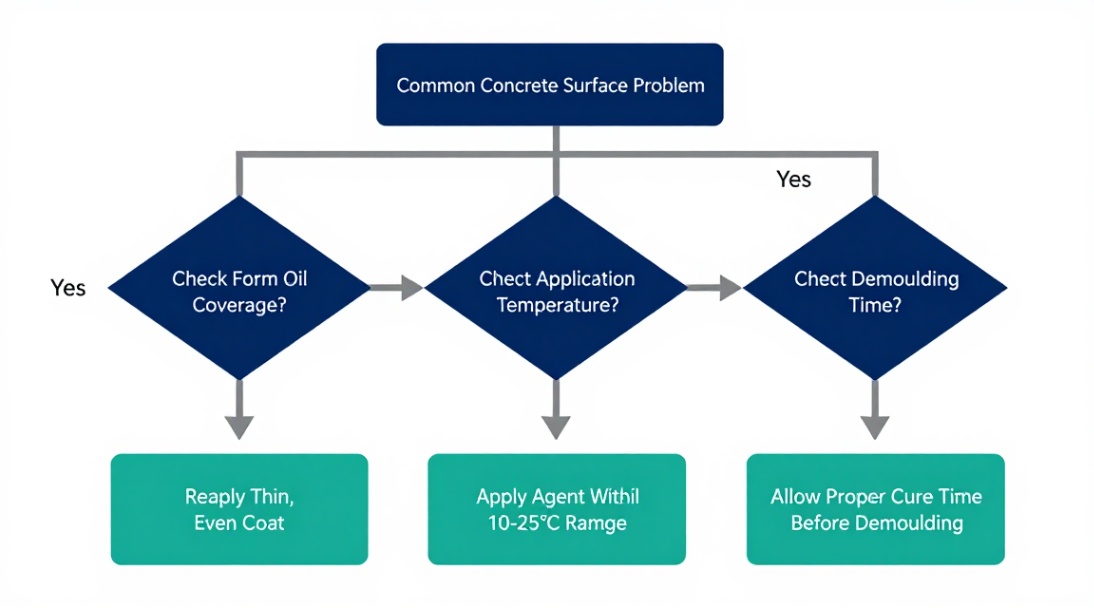
Problem: Concrete sticks or tears on demolding.
- Cause A: Inadequate or worn-off release film.
- Solution: Reapply agent. For high-reuse molds, switch to a more durable combination agent. Increase coverage on leading edges.
- Cause B: Mold surface is pitted or damaged.
- Solution: Repair and polish the mold surface. A release agent cannot compensate for physical damage.
Problem: Oily stains or dark discolorations on the concrete surface.
- Cause: Over-application of a barrier-type agent.
- Solution: Switch to a reactive or low-residue combination agent. Train applicators on thin, even coating techniques.
Problem: Bubbles or pinholes in the cast surface.
- Cause: Release agent trapping air against the mold face, often from aggressive spraying.
- Solution: Apply with a brush for textured molds. Ensure spray technique does not “foam” the agent. Allow the film to settle before casting.
Step 5: Implement Storage and Safety Best Practices
Proper handling preserves agent efficacy and protects your team.
- Storage: Keep containers tightly sealed in a cool, dry place. Prevent contamination with water or other chemicals.
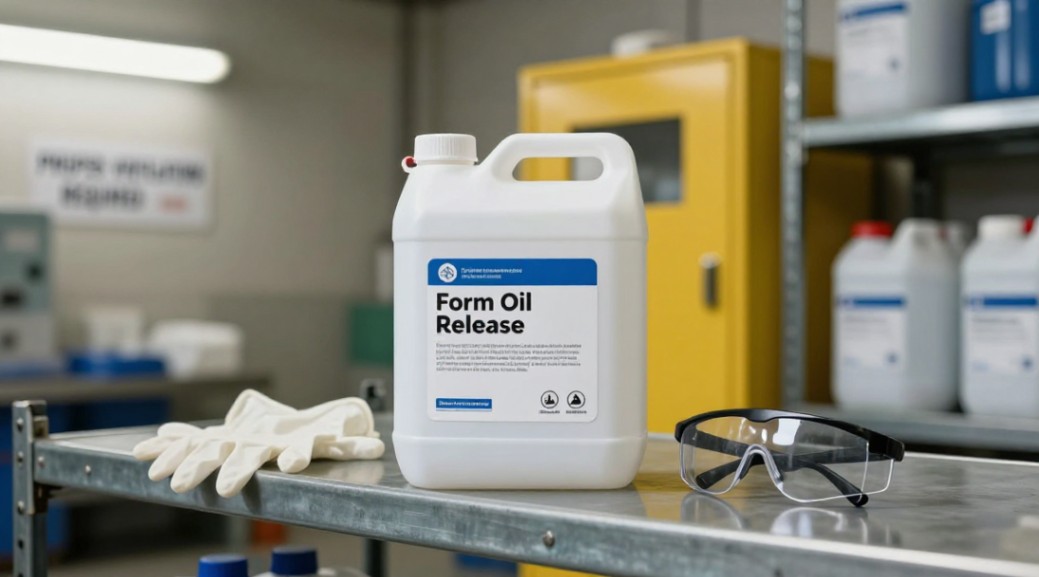
- Safety: Even low-VOC agents require personal protective equipment (PPE). Wear chemical-resistant gloves and safety glasses. Ensure adequate ventilation in application areas.
- Disposal: Follow local regulations for disposing of empty containers and waste materials. Never rinse application equipment into storm drains.
The Path to Consistent Quality
Mastering the form oil release agent for precast concrete molds is a fundamental production skill. It requires moving beyond commodity thinking to a performance-based specification. Start by auditing your current process against the criteria and steps outlined here. Test a small batch with a new agent selected for your specific mold and finish requirements. Document the results. The goal is predictable, repeatable success: perfect release, pristine molds, and flawless concrete surfaces, pour after pour.
We are the global leader in lightweight concrete and advanced engineered foam solutions. Known globally for its commitment to research, innovation, and applied expertise, we have been providing engineered foam solutions since the early 2012’s.
We can supply high-quality concrete admixture and foam concrete related products all over the world.
The company has a professional technical department and quality supervision department, a well-equipped laboratory, and equipped with advanced testing equipment and after-sales customer service center.
If you are interested, please feel free and contact us.