Professional solutions on concrete addtives, Concrete Foaming Agent, Superplasticizer, CLC Blocks Additives, and foaming machine

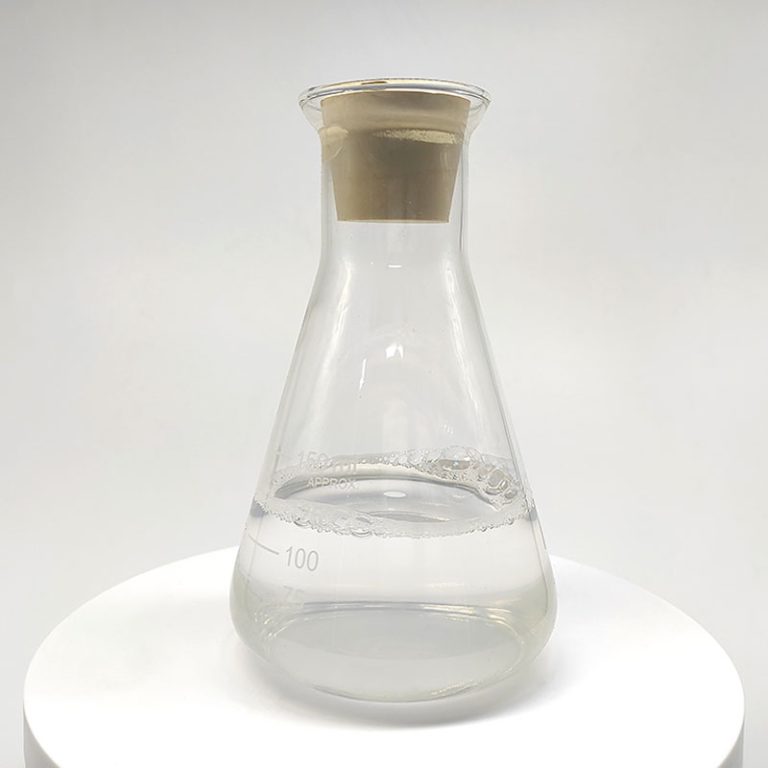
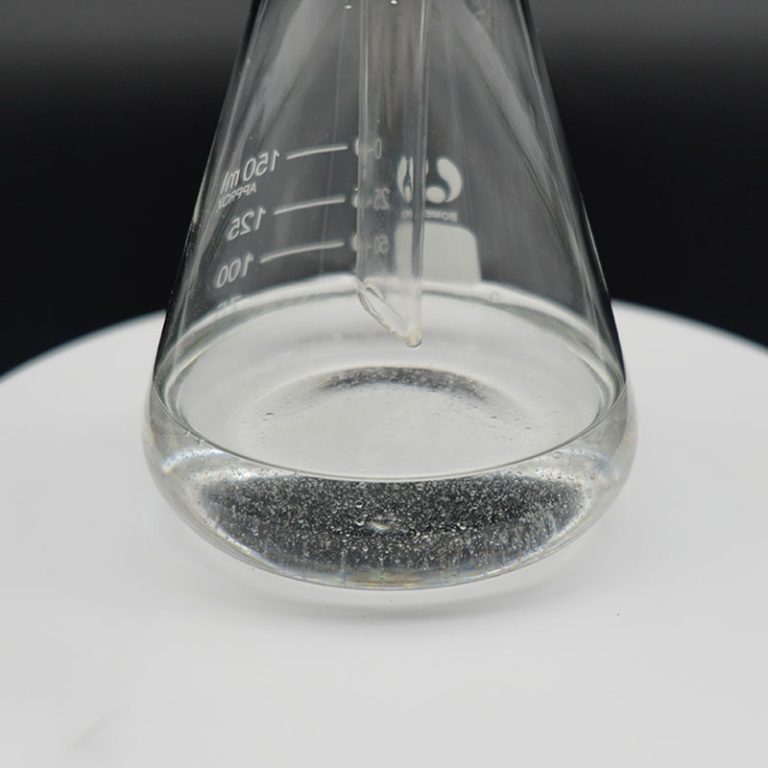
Foam Concrete Block CLC Foaming Agent
PRODUCT PARAMETERS
Description
Overview of Foam Concrete Block CLC Foaming Agent
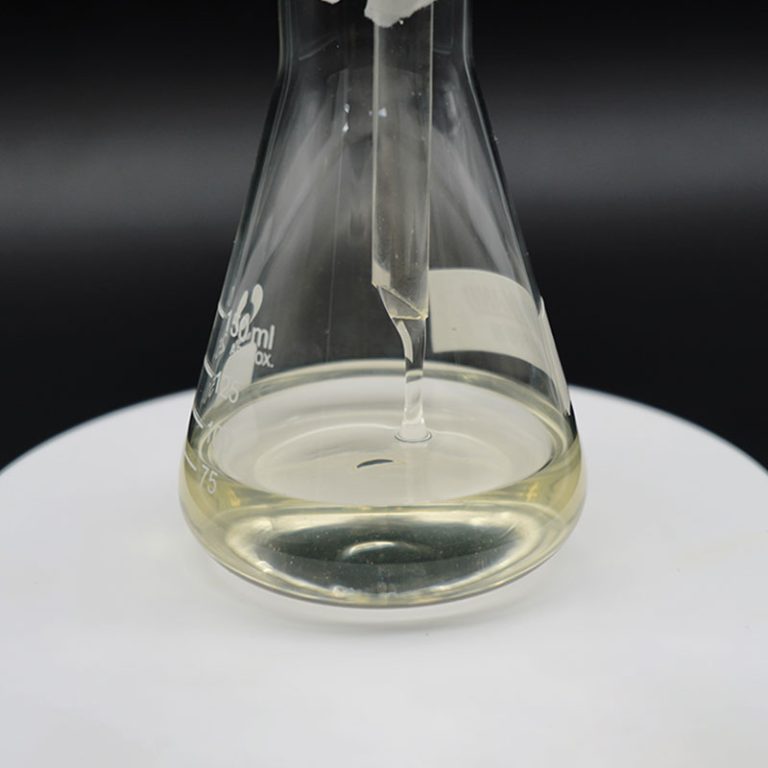
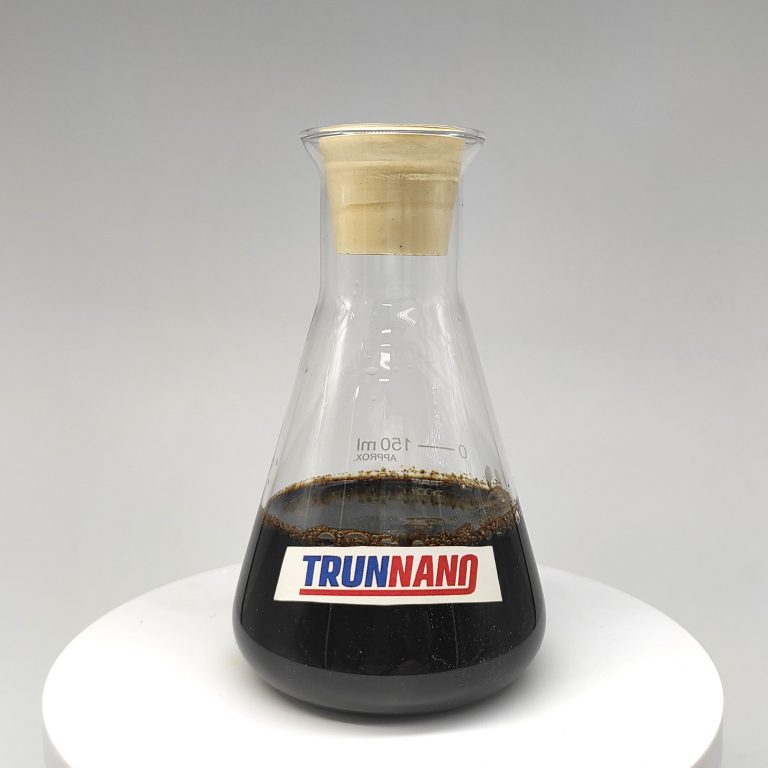
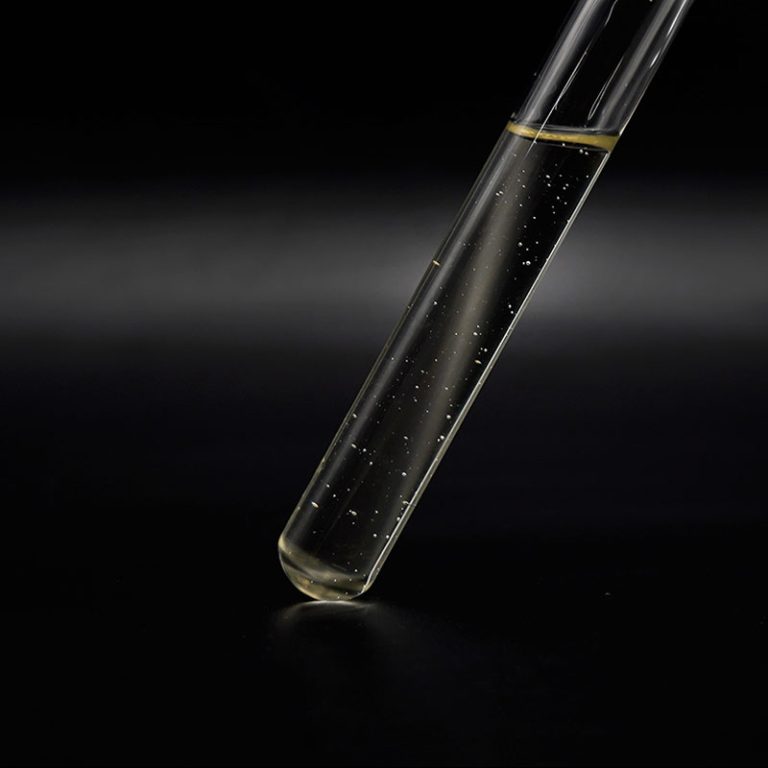
Foam Concrete Block CLC Foaming Agent is a surfactant that generates large quantities of uniform, stable foam through physical or chemical means. When this foam is thoroughly mixed with cement-based slurry (cement, fly ash, etc.) and cured naturally or with steam, it forms a novel lightweight material—foam concrete—internally filled with numerous closed air cells.
Features of Foam Concrete Block CLC Foaming Agent
1. High Foam Multiplication Ratio: High foam multiplication ratio allows for dilution before use. One kilogram of concentrate generates a large volume of uniform foam, delivering significant cost savings.
2. Strong Foam Stability: Produces resilient, uniformly fine foam walls that resist collapse or breakage. Effectively withstands pressure from cement slurry, ensuring independent and sealed air cells within the finished product.
3. Uniform and Fine Pore Structure: The foam concrete exhibits an ideal internal structure of closed spherical micro-pores, guaranteeing superior physical properties.
4. Low Material Consumption: Achieves equivalent density and strength grades with lower dosage than standard market products, reducing costs.
5. Eco-friendly and safe: Neutral formulation, non-toxic, odorless, and non-corrosive, posing no harm to the environment or human health. Classified as a green building material.
6. Wide adaptability: Excellent compatibility with various cements (including ordinary Portland cement and aluminate cement) and admixtures. Rapid foaming action with extended foam stability.

Specification of Foam Concrete Block CLC Foaming Agent
This CLC lathering agent makes foam concrete blocks. You add it to cement mixtures. It produces countless tiny, challenging air bubbles inside the concrete. This process is called Cellular Lightweight Concrete (CLC). The bubbles make the concrete much lighter than normal concrete. The last blocks are solid however consider much less.
The representative comes as a concentrated liquid. You weaken it with water first. After that you blend this option right into the cement slurry. Special devices present air, creating stable foam. This foam gets combined thoroughly with the cement, sand, and water. The mixture solidifies around the bubbles. This creates the solid block framework full of air pockets.
Using this representative offers large benefits. The blocks are lightweight. This minimizes the load on structure structures. Transporting and handling the blocks comes to be easier. Employees mount them faster. The air pockets supply superb thermal insulation. Structures stay warmer in wintertime and cooler in summer season. This cuts energy expenses for heating & cooling. The blocks also use excellent soundproofing between areas. They are fire immune as well. Manufacturing utilizes much less raw material. This lowers prices and is better for the environment.
The foam has to be steady. It has to hold its form until the concrete sets. This agent produces extremely resilient bubbles. They withstand collapsing during blending and pouring. Consistent bubble size is critical. It makes sure consistent block strength and density. Trusted representatives create foreseeable results every set. Block thickness is managed by the foam amount included. Typical densities vary from 600 kg/m two to 1800 kg/m ³. Lower density implies better insulation however much less toughness. Greater density offers more stamina for bearing walls.
Good CLC lathering representatives deal with different concrete types. They carry out well with numerous water qualities. They are compatible with fly ash or various other additives occasionally used. The agent itself must be very easy to store and handle. Appropriate storage space keeps it effective for a long time. This representative is key for contemporary, reliable, and sustainable building. It helps build faster and conserve energy.
Applications of Foam Concrete Block CLC Foaming Agent
CLC lathering representative makes light-weight foam concrete obstructs. Building contractors use these blocks in numerous ways. They are preferred for wall surface insulation blocks. These blocks stop warm moving in and out of buildings. This saves energy and reduces heating and cooling costs. The blocks are much lighter than routine concrete. This makes them simpler to handle on website. Workers can relocate them much faster. This quickens building and construction. Heavy devices is less essential. Foundations can be smaller sized and more affordable.
Builders additionally make use of foam concrete as light-weight fill material. It is perfect for loading old basements or tunnels. It loads irregular ground under roadways or floors. The material streams conveniently right into tight spaces. It sets without reducing a lot. It does not put heavy lots on weak soil or frameworks listed below. It is a risk-free, secure fill.
Foam concrete benefits filling gaps. Specialists pump it right into abandoned pipes or drains. They fill up old storage tanks or mine shafts. It prevents the ground over from falling down. It quits water from merging in these rooms.
Roof covering insulation is an additional large use. Service providers put a layer of foam concrete on flat roofing systems. This layer shields the roofing well. It safeguards the building from extreme heat and cold. The light-weight product doesn’t worry the roof covering structure. It can be formed conveniently for appropriate drainage.
These blocks make excellent interior dividers walls. They are easy to reduce and form on website. Home builders promptly fit them around pipes and wires. The blocks offer great noise insulation between spaces. They aid produce silent, exclusive rooms. Fire resistance is another advantage. The blocks do not shed quickly. They include safety and security to buildings.
Company Profile
We are the global leader in lightweight concrete and advanced engineered foam solutions. Known globally for its commitment to research, innovation, and applied expertise, we have been providing engineered foam solutions since the early 2012’s.
We can supply high-quality concrete admixture and foam concrete related products all over the world.
The company has a professional technical department and quality supervision department, a well-equipped laboratory, and equipped with advanced testing equipment and after-sales customer service center.
If you are interested, please feel free and contact us.
Payment
T/T, Western Union, Paypal, Credit Card etc.
Shipment
By air, by sea, by express, as customers request.
5 FAQs of Foam Concrete Block CLC Foaming Agent
Here are five common questions about Foam Concrete Block CLC Foaming Agent:
What is CLC Foaming Agent?
CLC Foaming Agent makes the tiny bubbles in foam concrete blocks. It’s a special liquid chemical. You mix it with water and air. This creates stable foam. The foam gets mixed into cement slurry. That’s how you get lightweight concrete blocks.
How does the Foaming Agent work?
You add water to the foaming agent concentrate. Then you run it through a foam generator machine. The machine forces air into the mixture. This process makes lots of small, tough bubbles. These bubbles are the key. They make the concrete block light and full of air pockets.
Why use this Foaming Agent?
It makes very strong, lasting foam bubbles. Good foam means the concrete blocks are strong but light. They also insulate heat well. Blocks made with it are consistent. They are easy to handle and cut. This saves time and money on building sites.
How much Foaming Agent do I need?
The amount depends on your machine and the block density you want. Always follow the supplier’s mixing instructions. They give the best water-to-concentrate ratio. Getting the ratio right is important. Wrong ratios make weak foam. Weak foam makes poor blocks. Test small batches first to find the best setting.
Is the Foaming Agent safe to handle?
It’s a chemical product. Handle it carefully. Wear gloves and safety glasses. Avoid skin contact. Avoid breathing in mist. Work in a space with fresh air. Keep it away from kids and animals. Wash skin immediately if contact happens. Store it in its original container away from sun and heat.