Professional solutions on concrete addtives, Concrete Foaming Agent, Superplasticizer, CLC Blocks Additives, and foaming machine

How to Choose and Use Concrete Admixtures for Optimal Performance
1. Introduction
In the past 48 hours, major construction suppliers like Sika and Chryso have announced expanded availability of eco-friendly polycarboxylate ether (PCE)-based superplasticizers in response to rising global demand for low-carbon concrete solutions. This shift underscores the growing importance of understanding how to properly use concrete admixtures to meet both performance and sustainability goals.
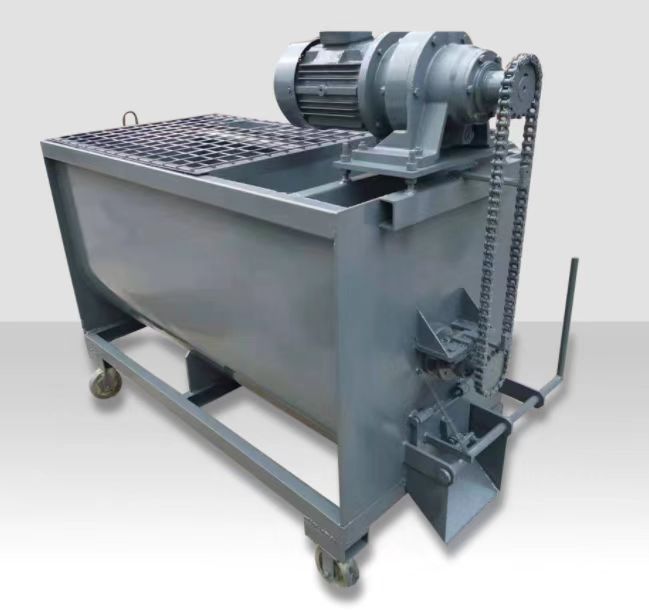
Concrete admixtures are essential chemical or mineral additives that modify the properties of fresh or hardened concrete. Whether you’re aiming for faster curing, improved workability, enhanced durability, or aesthetic finishes, selecting the right admixture—and using it correctly—can make or break your project. This guide provides a clear, step-by-step approach to choosing and applying the best admixture for concrete based on your specific needs.
2. Understand Common Admixture Types
Before purchasing any concrete chemicals, identify the problem you’re solving. Admixture types fall into several functional categories:
- Water reducing admixtures (including mid-range and high-range water reducers like superplasticizer)
- Concrete accelerator and concrete retarder for controlling setting time
- Air entraining admixture to improve freeze-thaw resistance
- Waterproofing admixture such as integral waterproofer or crystalline waterproofing admixture
- Fiber reinforcement (e.g., polypropylene fibres for concrete, steel fibers for concrete) for crack control
- Foaming agents for lightweight cellular concrete (e.g., CLC foaming agent)
- Color and release agents for decorative stamped concrete
Each category serves distinct purposes, and many modern formulations combine multiple functions.
3. Select the Right Admixture for Your Project
Start by defining your concrete’s performance requirements. For high-strength, self-consolidating concrete, a superplasticizer admixture—particularly a polycarboxylate ether superplasticizer—is ideal. These PCE-based superplasticizers offer superior slump retention and lower dosage rates compared to older naphthalene or melamine-based types.
If you need fast curing concrete additives for cold-weather pours, choose an accelerating admixture for concrete that reduces initial set time without compromising long-term strength. Conversely, in hot climates or for large pours, a concrete retarder admixture or surface retarder concrete helps prevent premature hardening.
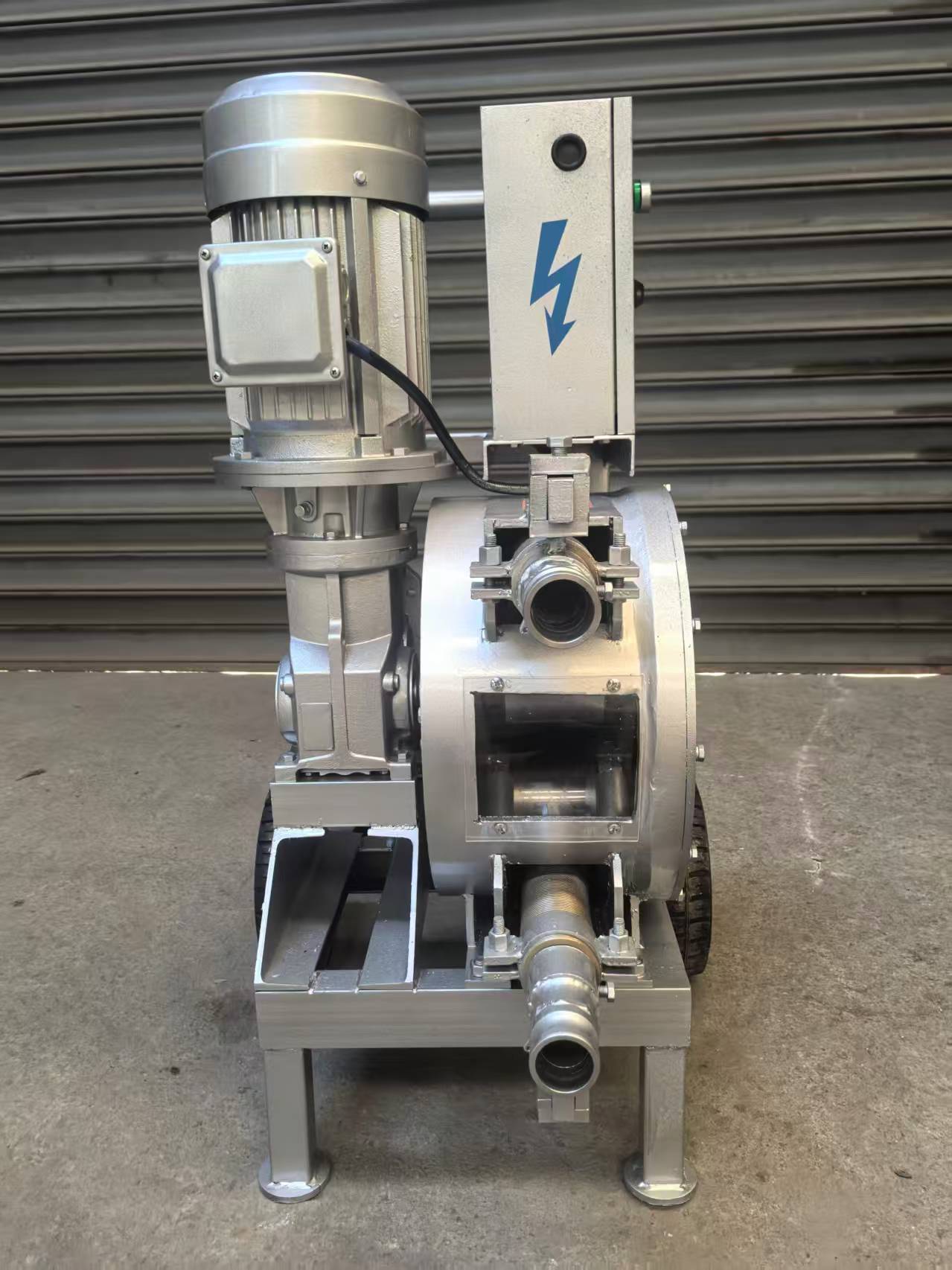
For exterior applications exposed to moisture, consider a concrete waterproofing additive like a cement waterproofing additive or crystalline waterproofing admixture. These provide integral protection unlike surface sealers.
When durability against freezing is critical, specify an air entraining agent. Air entraining concrete contains microscopic air bubbles that relieve internal pressure during freeze-thaw cycles.
4. Calculate and Add Dosage Correctly
Always follow the manufacturer’s dosage recommendations. Overdosing can cause segregation, excessive bleeding, or delayed setting. Under-dosing may yield no noticeable benefit.
Most liquid admixtures are dosed by weight of cement (typically 0.1% to 2.0%). For example, a standard superplasticizer in concrete might be added at 0.5–1.0% by cement weight. Powdered additives like colored concrete powder or concrete stain powder should be pre-blended with dry materials before water addition.
Add admixtures during mixing—not after. Introduce water-reducing admixtures like concrete water reducer after initial wet mix to maximize dispersion. Fibers (e.g., pp fiber concrete, macro fibers) must be gradually added to avoid clumping.
5. Avoid Common Mixing Mistakes
Never assume all plasticizer for concrete products are interchangeable. A concrete plasticiser designed for mortar may not perform well in structural concrete. Similarly, a foam agent for lightweight concrete shouldn’t be used in standard mixes.
Avoid combining incompatible admixtures. For instance, some accelerating admixtures react poorly with certain superplasticizers, causing rapid slump loss. When in doubt, conduct a trial batch.
Store admixture chemical containers in cool, dry places. Exposure to heat or moisture can degrade performance—especially for protein-based foaming agent or synthetic foaming agent for concrete.
6. Special Considerations for Decorative and Specialty Concrete
For stamped concrete projects, use a water-based release agent or powder release agent to prevent sticking while adding color. Match stamp colors with tinted concrete for realistic wood or stone effects—popular options include charcoal concrete color, terra cotta concrete color, or grey stamped concrete.
If using white cement for countertops or architectural elements, pair it with a compatible superplasticizer to maintain flow without yellowing. White Portland cement often requires adjusted admixture dosages due to its finer particle size.
Fiber-reinforced concrete mixes—whether using polypropylene fibre, steel fiber reinforced concrete, or coconut fiber reinforced concrete—benefit from proper dispersion techniques. Fibermesh concrete systems simplify this process but still require adequate mixing time.
7. Conclusion
Choosing and using the right admixture used in concrete isn’t just about following a recipe—it’s about understanding material science and project demands. From superplasticizer admixture for high-flow applications to air entraining cement for durability, each concrete additive plays a strategic role. By matching admixture types to your environmental conditions, structural needs, and aesthetic goals, you ensure stronger, longer-lasting, and more efficient concrete outcomes.
Our Website founded on October 17, 2012, is a high-tech enterprise committed to the research and development, production, processing, sales and technical services of ceramic relative materials such as How. Our products includes but not limited to Boron Carbide Ceramic Products, Boron Nitride Ceramic Products, Silicon Carbide Ceramic Products, Silicon Nitride Ceramic Products, Zirconium Dioxide Ceramic Products, etc. If you are interested, please feel free to contact us.