Professional solutions on concrete addtives, Concrete Foaming Agent, Superplasticizer, CLC Blocks Additives, and foaming machine

Hpmc Chemical Construction Hydroxypropyl Methyl Cellulose 100000 Hpmc Powder For Concrete Additive Tile Adhesive
PRODUCT PARAMETERS
Description
Overview of Hpmc Chemical Construction Hydroxypropyl Methyl Cellulose 100000 Hpmc Powder For Concrete Additive Tile Adhesive
Hpmc Chemical Construction Hydroxypropyl Methyl Cellulose 100000 Hpmc Powder For Concrete Additive Tile Adhesive is chemical compounds added to concrete mixtures to improve various properties of the material, such as workability, strength, durability, and curing time. These additives include plasticizers, retarders, accelerators, waterproofing agents, and air-entraining agents, each designed to meet specific needs in concrete production. Concrete additives are commonly used in both commercial and residential construction, as well as in the production of precast and ready-mix concrete. By enhancing the performance and quality of concrete, these additives help improve the overall efficiency of construction projects while ensuring the durability and longevity of the finished structure. They are easy to incorporate into the mix and provide cost-effective solutions for optimizing concrete properties in a wide range of applications.
Characteristics of Hpmc Chemical Construction Hydroxypropyl Methyl Cellulose 100000 Hpmc Powder For Concrete Additive Tile Adhesive
Enhanced Strength: Concrete additives can significantly increase the compressive strength of concrete, making it more resilient to pressure and stress. This ensures the longevity and durability of structures, reducing the likelihood of cracking or failure.
Improved Workability: Additives such as plasticizers and superplasticizers improve the flowability and consistency of concrete, making it easier to handle, pour, and finish. This enhances productivity on the construction site and reduces labor costs.
Faster Curing: Accelerators, a type of concrete additive, help speed up the curing process, allowing for quicker setting times and faster completion of projects. This is especially useful in cold weather or when fast-tracking construction timelines.
Increased Durability: Many additives, like water-reducing agents and waterproofing compounds, increase the resistance of concrete to harsh environmental conditions such as freeze-thaw cycles, water ingress, and chemical exposure, ensuring long-term performance.
Better Adhesion and Bonding: Certain additives improve the bonding between the concrete and other materials, such as reinforcing steel or aggregates, enhancing the overall structural integrity and reducing the chances of delamination or separation.
Versatility for Various Applications: Concrete additives are highly versatile and can be used in a wide range of applications, from residential buildings to large-scale infrastructure projects. They are formulated to meet specific needs such as high-strength concrete, self-compacting concrete, or durable concrete for extreme conditions.
Cost-Efficient: By improving the quality and performance of concrete, additives reduce the need for additional maintenance and repairs, leading to significant cost savings in the long term. Additionally, they help optimize the mix design, reducing material waste.
Environmentally Friendly: Many modern concrete additives are formulated with eco-friendly ingredients, contributing to more sustainable construction practices. These additives help minimize the carbon footprint and improve the environmental performance of the concrete.
Enhanced Surface Finish: Additives like air-entraining agents can improve the finish and appearance of concrete by preventing defects like cracking, honeycombing, or surface dusting, ensuring a smooth, professional-grade surface.

Specification of Hpmc Chemical Construction Hydroxypropyl Methyl Cellulose 100000 Hpmc Powder For Concrete Additive Tile Adhesive
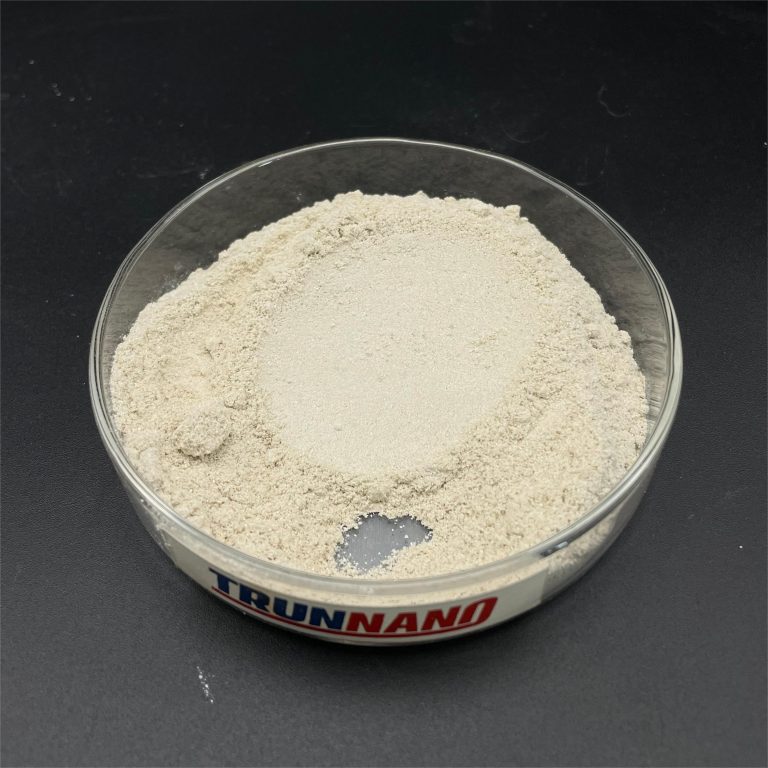
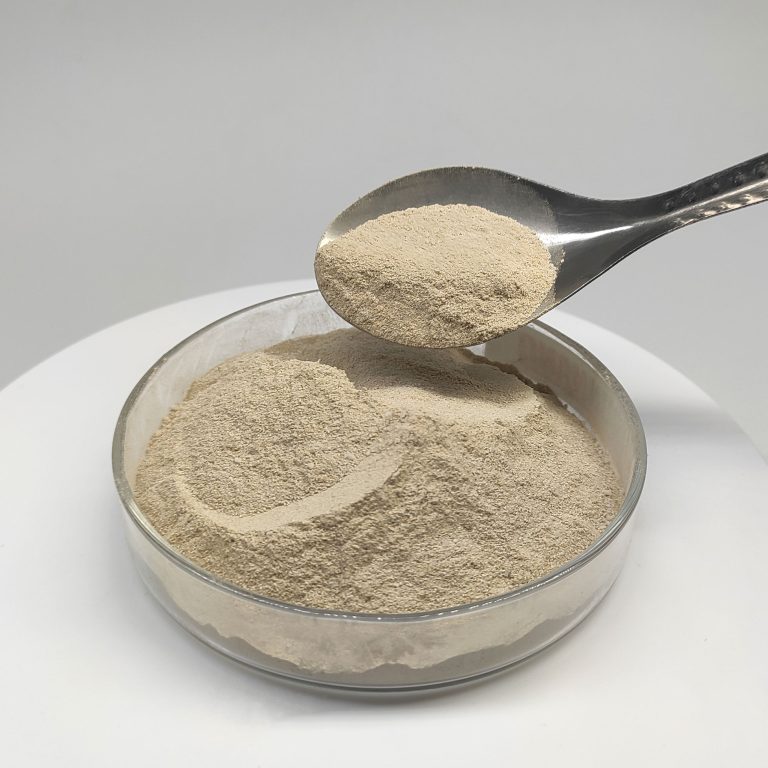
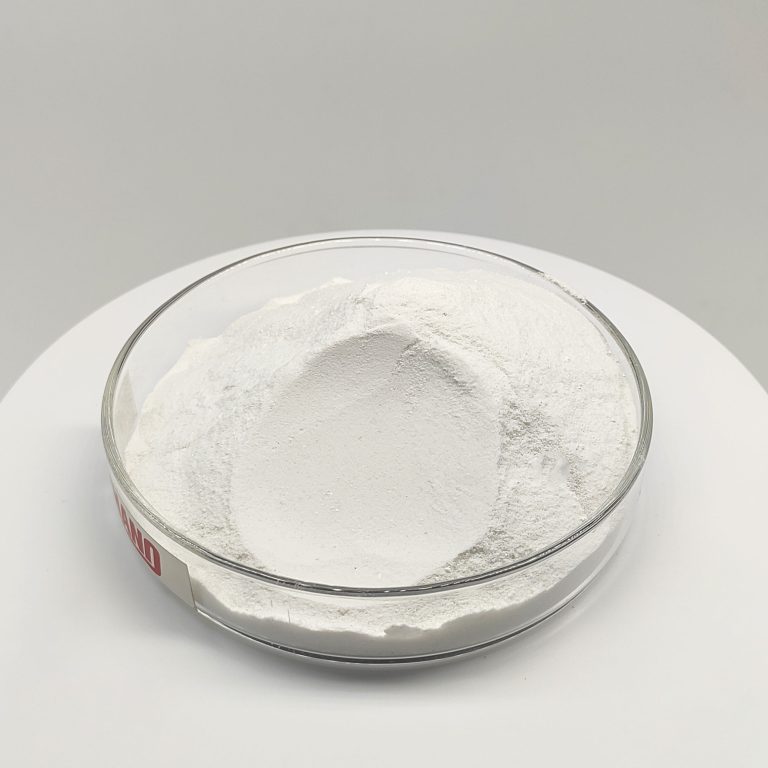
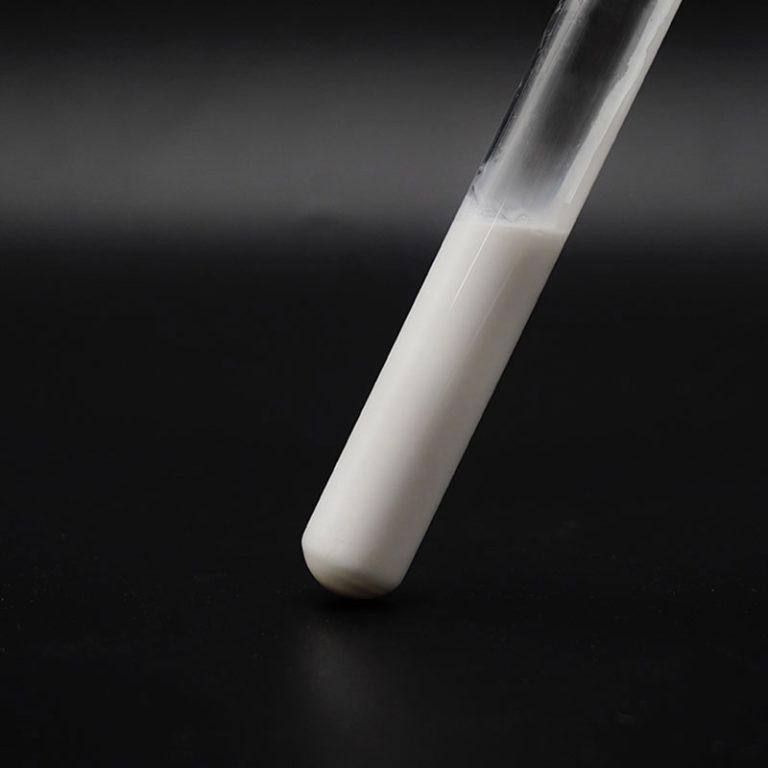
HPMC represents Hydroxypropyl Methyl Cellulose. It is a white powder used in construction products. This specific type is HPMC 100000. That number refers to its viscosity. Viscosity actions just how thick the remedy is. A higher number implies thicker. HPMC 100000 has high viscosity. It liquifies well in cold water. This creates a clear solution. The option is thick and smooth.
This powder is very vital for water retention. It keeps water inside building blends. This stops things from drying out also fast. It maintains products practical much longer. Workers obtain more time to apply tiles or concrete. The mix stays smooth and simple to spread out. It prevents fracturing brought on by fast drying out. This is critical for high quality finishes.
HPMC improves bond as well. It aids products stick together much better. This makes bonds more powerful. It is made use of in ceramic tile adhesives. The glue holds floor tiles strongly on walls or floorings. It protects against floor tiles from sliding down. The glue keeps practical for a great time. Employees can change floor tiles easily.
In concrete applications, HPMC functions as an additive. It enhances the concrete’s consistency. The concrete flows much better. It ends up being less complicated to pump and place. Air bubbles are decreased. This makes the concrete more powerful and more sturdy. The surface coating looks much better. It assists regulate just how fast the concrete sets.
Builders value HPMC for its convenience. It works well in different climates. It carries out dependably in warm or cold weather. The powder mixes conveniently into completely dry ingredients. It ensures consistent results set after batch. It is a relied on additive for professionals.
Applications of Hpmc Chemical Construction Hydroxypropyl Methyl Cellulose 100000 Hpmc Powder For Concrete Additive Tile Adhesive
This HPMC powder aids home builders. It makes construction materials better. Hydroxypropyl Methyl Cellulose is its complete name. Home builders call it HPMC. The 100000 number shows its density degree. This thickener works well in water. It blends right into concrete easily. Including HPMC to concrete makes the concrete smoother. Employees can pump and put this concrete much better. The concrete doesn’t separate or hemorrhage water too much. This keeps the concrete solid and even. Home builders use this powder in tile adhesives too. It helps the sticky stick tiles strongly. The adhesive keeps practical longer. Employees have even more time to change tiles. The adhesive does not dry out promptly. Water remains inside the glue mix. This prevents weak bonds or loose floor tiles. HPMC also works in plasters and mortars. It keeps these blends creamy. Employees discover them easier to spread out. The finished surface looks smoother. Building contractors depend on this chemical additive. It boosts several building and construction work. The powder is basic to use. Mix it with dry active ingredients initially. After that include water usually. It liquifies well without swellings. This powder gives great results continually.
Company Profile
We are the global leader in lightweight concrete and advanced engineered foam solutions. Known globally for its commitment to research, innovation, and applied expertise, we have been providing engineered foam solutions since the early 2012’s.
We can supply high-quality concrete admixture and foam concrete related products all over the world.
The company has a professional technical department and quality supervision department, a well-equipped laboratory, and equipped with advanced testing equipment and after-sales customer service center.
If you are interested, please feel free and contact us.
Payment
T/T, Western Union, Paypal, Credit Card etc.
Shipment
By air, by sea, by express, as customers request.
5 FAQs of Hpmc Chemical Construction Hydroxypropyl Methyl Cellulose 100000 Hpmc Powder For Concrete Additive Tile Adhesive
HPMC stands for Hydroxypropyl Methyl Cellulose. It’s a white powder. Builders use it in construction materials. You find it in tile adhesives and concrete mixes. The “100000” refers to its viscosity grade. This means it thickens mixtures effectively.
What is HPMC used for in construction? HPMC powder acts as an additive. It improves how materials perform. In tile adhesive, it helps the glue stick better to tiles and walls. It stops the adhesive from drying too fast. In concrete, it makes the mix smoother and easier to work with. It helps the concrete hold water longer. This prevents cracking as it sets.
Why does the viscosity number matter? The viscosity number shows how thick the powder makes liquids. A high number like 100000 means it creates a very thick solution. This thick consistency is good for certain jobs. It provides strong water retention and adhesion. Lower viscosity grades exist for different applications. Choose the right grade for your project needs.
How does HPMC improve water retention? HPMC powder absorbs water. It forms a protective film around cement particles. This film traps water inside the mix. Slowing down water loss gives cement more time to cure properly. Proper curing leads to stronger concrete and mortar. It reduces shrinkage and surface cracks significantly.
How do you mix HPMC powder? Add the powder to water first. Do not add it directly into dry cement or sand. Stir the powder and water together well. Make sure it dissolves completely. A lump-free solution works best. Then add this solution to your dry mix ingredients. Blend everything thoroughly. Follow the recommended dosage for your specific application.
How should HPMC be stored? Keep the powder in a cool, dry place. Avoid areas with high humidity or direct sunlight. Moisture makes the powder lumpy or hard to dissolve. Use sealed bags or containers. Good storage keeps the powder performing well.