Professional solutions on concrete addtives, Concrete Foaming Agent, Superplasticizer, CLC Blocks Additives, and foaming machine

7 Essential Steps to Choose and Use the Best Concrete Admixtures for Your Project
1. Introduction
Just 24 hours ago, a major construction materials supplier announced a nationwide shortage of polycarboxylate ether (PCE)-based superplasticizers due to surging demand in green infrastructure projects. This highlights how critical—and sometimes scarce—modern concrete admixtures have become. If you’re working on anything from a backyard patio to a commercial build, understanding how to properly use admixtures can save time, money, and headaches.
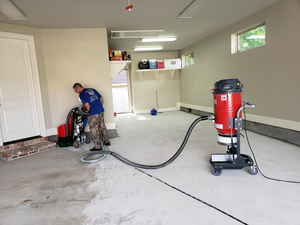
Concrete admixtures are chemical or mineral additives mixed into concrete to modify its properties. From improving flow with a plasticizer for concrete to speeding up curing with a concrete accelerator, these products solve real-world problems on job sites every day. In this guide, we’ll walk you through seven practical steps to choose and use the best admixture for concrete—safely and effectively.
2. Identify Your Concrete’s Primary Need
Before buying any concrete chemicals, ask: What problem am I solving? Common goals include:
- Increasing workability without adding water (use water reducing admixtures like superplasticizer)
- Speeding up early strength gain (use accelerating admixtures for concrete)
- Delaying setting in hot weather (use concrete retarder admixture or surface retarder concrete)
- Enhancing freeze-thaw resistance (use air entraining admixture)
- Making concrete waterproof (use integral waterproofer or crystalline waterproofing admixture)
Matching the right admixture type to your challenge is half the battle.
3. Understand Key Admixture Types
Not all ad mixtures are created equal. Here’s a quick breakdown of the most-used categories:
- Superplasticizers (also called high-range water reducers): These include polycarboxylate ether (PCE) and naphthalene-based formulas. They dramatically improve flow while cutting water content—ideal for self-consolidating or high-strength concrete.
- Air entraining agents: Create microscopic air bubbles that boost durability in cold climates. Look for terms like air entraining concrete or air entraining cement.
- Waterproofing admixtures: Products like concrete waterproof admix or cement waterproofing additive block moisture penetration from within.
- Fiber reinforcement: Polypropylene fibres for concrete, steel fibers for concrete, or even coconut fiber reinforced concrete add crack resistance and tensile strength.
- Foaming agents: Used in lightweight applications like CLC blocks; protein-based or synthetic foaming agent for foam concrete creates stable air voids.
Always check the bio data sheet for dosage rates and compatibility.
4. Select the Right Superplasticizer
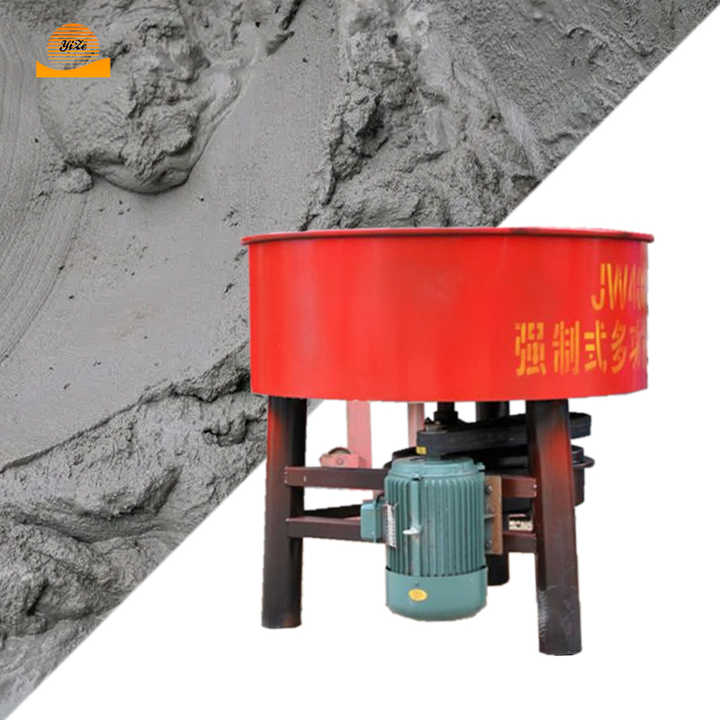
Superplasticizer in concrete is one of the most powerful tools you can use. But which type?
Polycarboxylate ether (PCE) superplasticizers offer superior slump retention and are ideal for long hauls or hot weather. Naphthalene or melamine-based versions are cheaper but less efficient.
When choosing a superplasticizer admixture, consider:
- Compatibility with your cement brand (e.g., white cement or standard gray Portland)
- Required slump retention time
- Dosage instructions (typically 0.5–2% by weight of cement)
Avoid over-dosing—it can cause segregation or excessive bleeding.
5. Use Waterproofing and Fiber Additives Correctly
For basements, roofs, or wet areas, a waterproofing admixture for concrete is essential. Crystalline waterproofing admixture reacts with moisture to form insoluble crystals that seal pores permanently.
If you’re reinforcing slabs or overlays, add fibers during mixing—not after. Macro fibers (like steel or polypropylene) improve impact resistance, while microfibers reduce plastic shrinkage cracks.
Note: Fibers don’t replace rebar—they complement it. Use fiber reinforced concrete for crack control, not structural support alone.
6. Avoid Common Mixing Mistakes
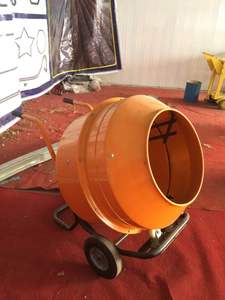
Even the best admixture used in concrete can fail if mixed wrong. Follow these tips:
- Always add liquid admixtures to mixing water first—not directly onto dry cement.
- Never combine incompatible chemicals (e.g., some accelerators react poorly with certain superplasticizers).
- Stick to manufacturer dosage. More isn’t better—especially with concrete accelerator or concrete retarder.
- Mix for full cycle time (usually 2–5 minutes) to ensure uniform dispersion of concrete additives fiber or powder release agents.
7. Troubleshoot Real-World Issues
Problem: Concrete set too fast in summer heat.
Solution: Switch to a concrete retarder admixture or use a surface retarder concrete for decorative stamping.
Problem: Finished slab cracked within days.
Solution: Add polypropylene fibre or pp fiber concrete next time—and never skip curing.
Problem: Water pooling on basement floor despite sealing.
Solution: Use an integral waterproofer during pour, not just a surface coating. Consider crystalline waterproofing admixture for long-term protection.
Also, remember that colored concrete or stamped concrete colors require compatible release agents—like water-based release agent or powder release agent—to avoid staining.
8. Conclusion
Choosing and using the right concrete admixture types doesn’t have to be complicated. Start by defining your goal, pick a proven product (like a PCE superplasticizer or integral waterproofer), follow dosing guidelines, and mix properly. Whether you’re pouring a driveway, installing fibercement siding, or crafting white concrete countertops, the right admixture chemical makes all the difference in performance, appearance, and longevity.
Our Website founded on October 17, 2012, is a high-tech enterprise committed to the research and development, production, processing, sales and technical services of ceramic relative materials such as 7. Our products includes but not limited to Boron Carbide Ceramic Products, Boron Nitride Ceramic Products, Silicon Carbide Ceramic Products, Silicon Nitride Ceramic Products, Zirconium Dioxide Ceramic Products, etc. If you are interested, please feel free to contact us.