Professional solutions on concrete addtives, Concrete Foaming Agent, Superplasticizer, CLC Blocks Additives, and foaming machine

Master Concrete Performance: Understand Every Type of Admixture You Need
1. Introduction
Just 24 hours ago, a major infrastructure project in Texas announced it would use advanced polycarboxylate ether (PCE)-based superplasticizers to achieve high-strength, self-consolidating concrete for a new bridge—highlighting how critical admixtures are in modern construction. Whether you’re pouring a backyard patio or building a skyscraper, understanding admixtures can make or break your concrete’s performance.
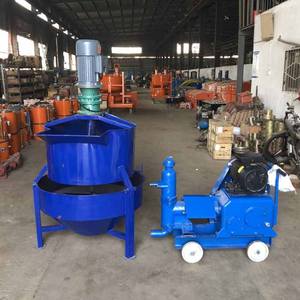
Concrete isn’t just cement, sand, and water anymore. Today’s mixes rely heavily on chemical and mineral enhancements known as admixtures. These concrete additives fine-tune everything from setting time to freeze-thaw resistance—and even how your concrete looks.
2. What Are Admixtures?
Admixtures—sometimes spelled ‘ad mixtures’—are materials added to concrete before or during mixing to modify its properties. They’re not part of the basic recipe but are essential for optimizing performance under specific conditions.
Used in virtually all modern concrete, admixtures fall into two broad categories: chemical admixtures and mineral admixtures. Chemical types include superplasticizers, accelerators, and air-entraining agents. Mineral versions often involve fly ash, silica fume, or slag.
3. Common Types of Concrete Admixture
The market offers dozens of concrete admixture types, but here are the most impactful ones you’ll encounter:
- Water reducing admixtures (including mid-range and high-range water reducers like superplasticizers)
- Concrete accelerator and concrete retarder formulas
- Air entraining admixture for freeze-thaw durability
- Waterproofing admixture such as integral waterproofer or crystalline waterproofing admixture
- Fiber reinforcement (polypropylene, steel, or even coconut fiber for concrete)
- Foaming agents for lightweight cellular concrete (like CLC foaming agent)
- Color and release agents for decorative stamped concrete
4. Superplasticizers: The Game-Changer in Modern Concrete
Superplasticizer (also called super plasticizers or concrete water reducer) is arguably the most transformative admixture today. It dramatically increases workability without adding extra water—critical for high-strength or self-leveling mixes.
Polycarboxylate ether (PCE)-based superplasticizers are now the gold standard, replacing older naphthalene or melamine types. Brands like Chryso admixture offer PCE formulations that deliver superior flow and reduced segregation.
When you hear ‘best admixture for concrete’ in high-performance contexts, it’s often a superplasticizer admixture. It’s also key in fast curing concrete additives when paired with accelerators.
5. Controlling Time: Accelerators vs. Retarders
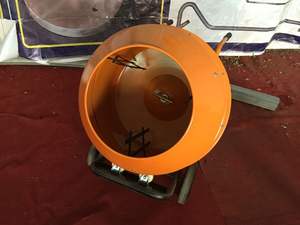
Need concrete to set faster? Use a concrete accelerator. Ideal for cold weather or emergency repairs, accelerating admixtures for concrete shorten curing time significantly.
On the flip side, a concrete retarder (or admixture retarder) delays setting—perfect for hot climates or complex pours where you need more working time. Surface retarder concrete is even used in exposed-aggregate finishes.
Both types are vital tools in a contractor’s kit, especially when managing large-scale pours or tight deadlines.
6. Durability Boosters: Air Entraining and Waterproofing
Air entraining concrete contains microscopic bubbles created by an air entraining agent. These bubbles act as pressure relief valves during freeze-thaw cycles, preventing cracking.
Similarly, waterproofing admixture options—like cement waterproofing additive or concrete waterproof admix—block moisture penetration from within. Crystalline waterproofing admixture reacts with water to form insoluble crystals that seal pores permanently.
For basements, tunnels, or water tanks, admixture waterproofing is non-negotiable.
7. Fiber Reinforcement: Beyond Steel Rebar
Fibers for concrete—whether polypropylene fibres for concrete, steel fibers for concrete, or even coconut fibre concrete—add tensile strength and crack resistance.
Fiber reinforced concrete is now common in slabs, pavements, and siding. Speaking of which, concrete fiber siding (also called fibercement siding or Hardie concrete siding) mimics wood grain while offering fire and pest resistance.
Home Depot concrete siding and CertainTeed concrete siding lines often use fiberfor concrete mixes with macro fibers or microfibers for enhanced durability. Concrete siding cost varies, but modern concrete siding houses benefit from low maintenance and longevity.
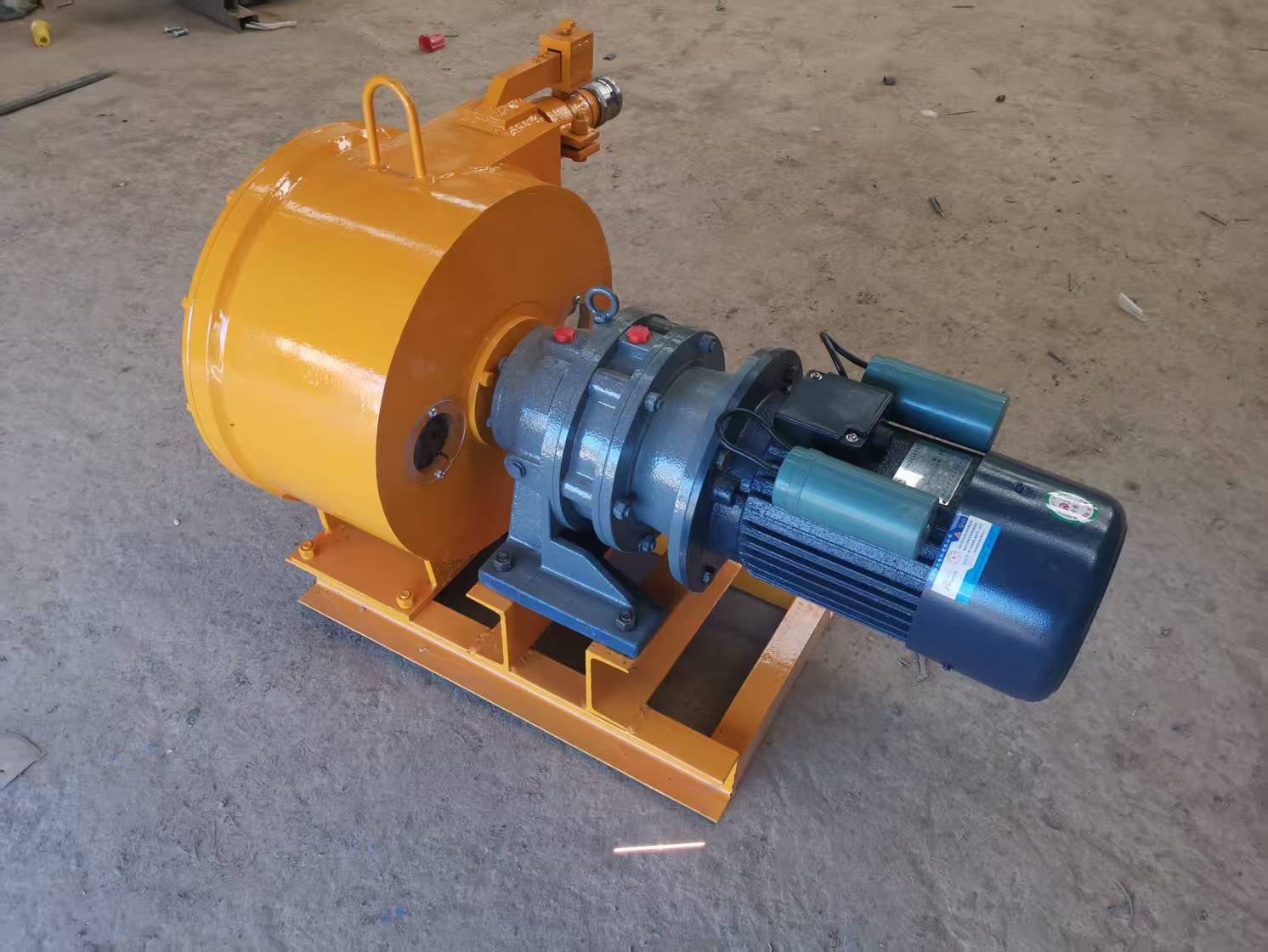
8. Specialty Additives: Color, Foam, and More
Want colored concrete? Powder concrete colorants and release agents (like brickform liquid release or spray release agent) create stunning stamped concrete colors and patterns—from charcoal stamped concrete to terra cotta concrete color.
For lightweight structures, a concrete foaming agent (protein-based or synthetic) produces foam concrete or aircrete. CLC block foaming agent is popular in eco-friendly construction due to its insulation properties.
Even white cement gets a boost—used with superplasticizer in concrete for bright countertops or decorative elements.
9. Choosing the Right Admixture
Ask yourself: What’s the environment? What’s the deadline? What performance traits matter most?
For high-flow, low-water mixes: go with PCE superplasticizer.
For cold-weather pours: pick a concrete accelerator curing time reducer.
For wet or freezing zones: combine air entraining admixture with waterproof admix.
And always check compatibility—some admixture chemical combinations can interfere with each other.
10. Conclusion
From superplasticizer in concrete to fiber reinforcement and waterproofing admixture for concrete, today’s admixtures empower builders to push the limits of what concrete can do. Whether you’re selecting the best foaming agent for aircrete or the right plasticizer for concrete, understanding these tools ensures stronger, smarter, and more beautiful results every time.
Our Website founded on October 17, 2012, is a high-tech enterprise committed to the research and development, production, processing, sales and technical services of ceramic relative materials such as Master. Our products includes but not limited to Boron Carbide Ceramic Products, Boron Nitride Ceramic Products, Silicon Carbide Ceramic Products, Silicon Nitride Ceramic Products, Zirconium Dioxide Ceramic Products, etc. If you are interested, please feel free to contact us.