Professional solutions on concrete addtives, Concrete Foaming Agent, Superplasticizer, CLC Blocks Additives, and foaming machine

Choose the Right Admixtures for High-Performance Concrete
1. Introduction
When it comes to modern construction, plain concrete rarely cuts it. That’s where admixtures come in—specialized concrete additives engineered to enhance performance, durability, and workability. Whether you’re aiming for fast curing concrete additives, superior flow with a superplasticizer in concrete, or long-term protection via a crystalline waterproofing admixture, the right choice can make or break your project.
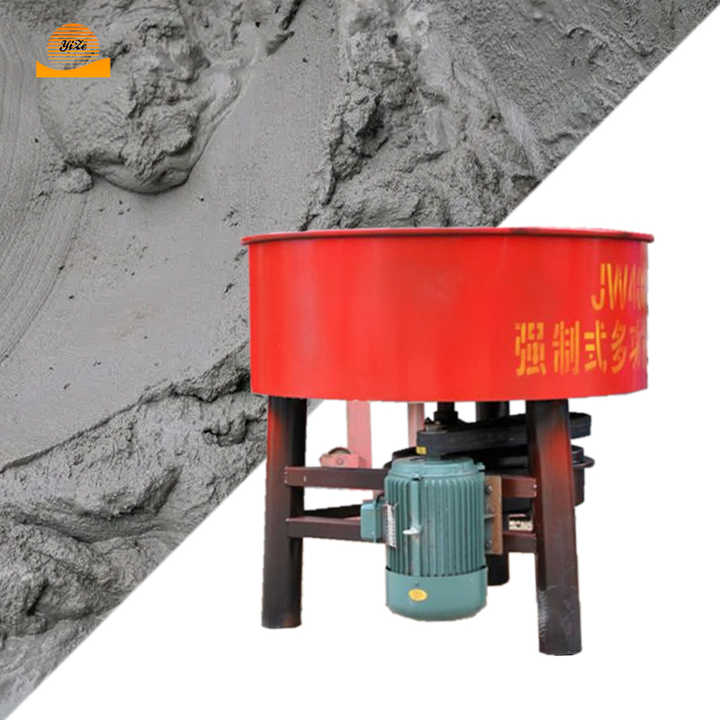
With dozens of admixture types available—from chemical admixture for concrete to mineral admixture and fiber reinforcement—it’s easy to feel overwhelmed. This guide breaks down the most critical categories, compares leading options, and helps you identify the best admixture for concrete based on real-world demands.
2. Superplasticizers: The Workhorses of Flow Enhancement
Superplasticizers (also called high-range water reducers) are among the most widely used concrete chemicals. They dramatically increase slump without adding extra water, preserving strength while improving placement ease.
Two dominant chemistries dominate this space: naphthalene-based superplasticizer and polycarboxylate ether (PCE) superplasticizer.
- Naphthalene sulfonate-based superplasticizers offer strong initial dispersion and are cost-effective but suffer from faster slump loss and higher dosage requirements.
- Polycarboxylate-based superplasticizers provide superior slump retention, lower dosage rates, and better compatibility with modern cements—making them the go-to for high-performance and self-consolidating concrete.
For projects demanding precision—like precast elements or pumped high-rise concrete—the PCE superplasticizer is often the best admixture for concrete. However, budget-sensitive jobs may still benefit from traditional naphthalene or melamine-based options.
3. Air Entraining and Water Control Additives
Air entraining admixture introduces microscopic air bubbles into the mix, significantly boosting freeze-thaw resistance—critical in cold climates. These air entraining concrete systems improve durability without sacrificing too much compressive strength.
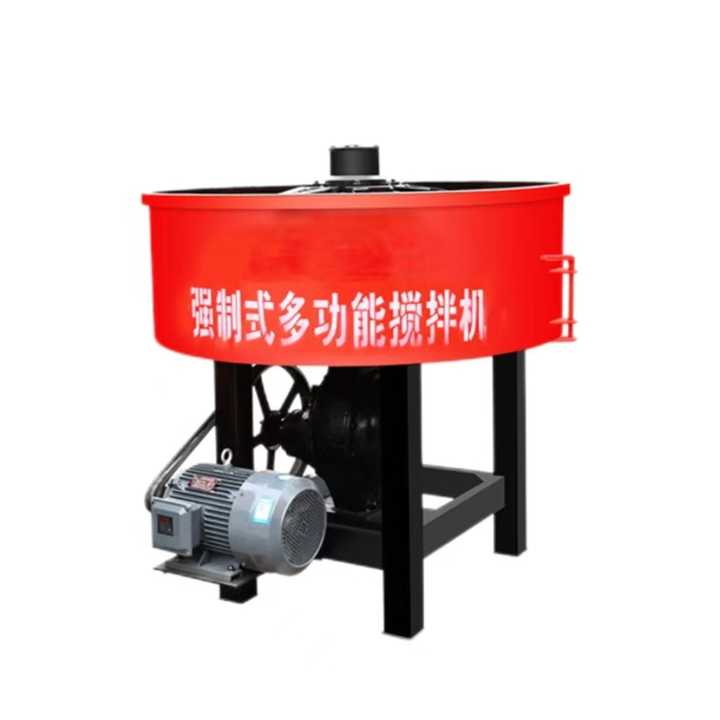
On the flip side, water management is equally vital. Water reducing admixtures fall into mid-range and high-range categories. While all reduce water content, only superplasticizers qualify as high-range reducers.
For waterproofing needs, contractors turn to integral waterproofers like crystalline waterproofing admixture or cement waterproofing additive. Unlike surface coatings, these react within the matrix to block capillary pores permanently. A concrete waterproof admix such as Chryso admixture offers long-term protection without maintenance—a major plus for basements, tunnels, and marine structures.
4. Setting Time Modifiers: Accelerators vs. Retarders
Concrete accelerator and concrete retarder admixtures give you control over curing timelines. Accelerating admixtures for concrete shorten setting time—ideal for cold-weather pours or fast-track repairs. They often contain calcium chloride or non-chloride alternatives to avoid rebar corrosion.
Conversely, a concrete retarder admixture delays hydration, useful in hot weather or for complex placements where extended workability is needed. Surface retarder concrete products even allow decorative exposed-aggregate finishes by selectively delaying the top layer’s set.
Choosing between them depends on ambient conditions, logistics, and finish requirements. Always consider concrete accelerator curing time impacts on early strength development versus potential cracking risks.
5. Fiber Reinforcement: Beyond Steel Rebar
Fiber reinforced concrete is transforming structural and architectural applications. From polypropylene fibres for concrete to steel fibers for concrete and even experimental coconut fiber reinforced concrete, fibers reduce cracking, boost impact resistance, and sometimes replace secondary steel mesh.
Macro fibers (like steel or synthetic polymer types) enhance post-crack behavior in slabs and pavements, while microfibers (such as pp fiber concrete) control plastic shrinkage. Carbon fiber reinforced concrete pushes boundaries in ultra-high-performance mixes but remains costly.
Products like Fibermesh concrete or fiberfor concrete blends are now standard in residential and commercial slabs. And for exterior cladding, concrete fiber siding—often marketed as fibercement siding—offers durability with wood-like aesthetics from brands like Hardie or CertainTeed.
6. Specialty Additives: Foaming Agents, Colorants, and Release Systems
Beyond core performance, modern admixtures enable aesthetic and functional customization. Concrete foaming agent creates lightweight cellular concrete for insulation blocks (e.g., CLC foaming agent), with protein-based or synthetic variants affecting bubble stability and density.
Colored concrete relies on pigments and release agents—powder or spray types like brickform liquid release—to achieve stamped concrete colors and patterns without surface peeling. Gray, charcoal, terra cotta, or white stamped concrete all start with the right tinted concrete base and compatible release system.
White cement, often used in decorative applications or countertops, pairs well with superplasticizer admixture to maintain fluidity without compromising brightness. Waterproof white cement variants add dual functionality for wet areas.
7. Conclusion
Selecting the right admixture used in concrete isn’t about picking the ‘best’ product universally—it’s about matching chemistry to context. Need flow? Go for a polycarboxylate superplasticizer. Facing freeze-thaw cycles? Prioritize air entraining agent. Building a moisture-prone foundation? Consider a crystalline waterproofing admixture. With so many concrete admixture types—from accelerating admixtures for concrete to fiber reinforcement and foaming agents—understanding their mechanisms ensures smarter, more durable builds. Always consult technical data sheets and test trial batches before full-scale use.
Our Website founded on October 17, 2012, is a high-tech enterprise committed to the research and development, production, processing, sales and technical services of ceramic relative materials such as Choose. Our products includes but not limited to Boron Carbide Ceramic Products, Boron Nitride Ceramic Products, Silicon Carbide Ceramic Products, Silicon Nitride Ceramic Products, Zirconium Dioxide Ceramic Products, etc. If you are interested, please feel free to contact us.